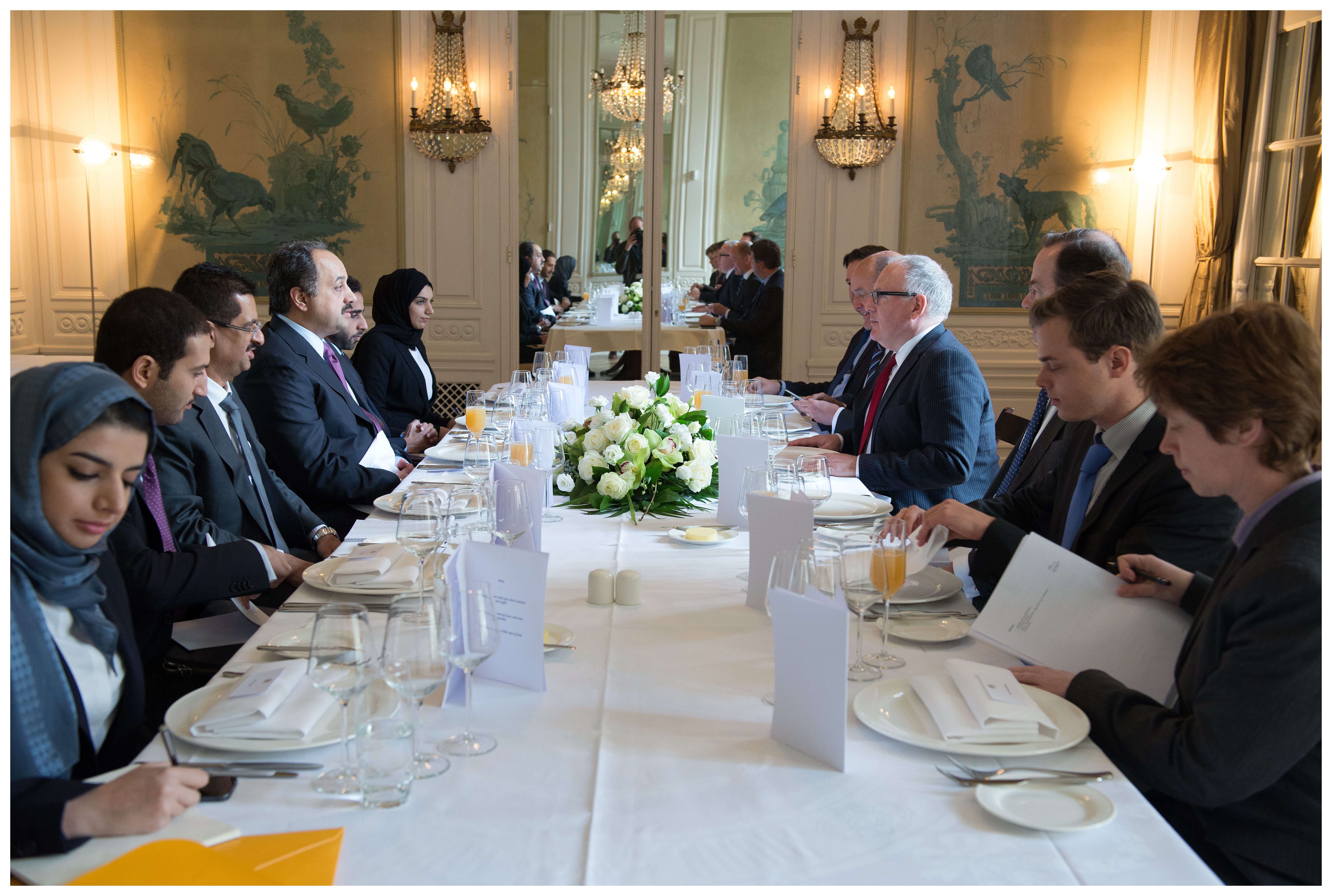
Taiwan President Lai Ching-te arrived in Eswatini on May 3, 2024, for a surprise diplomatic visit to the Southern African nation [1].
The trip represents a defiant assertion of Taiwan's sovereignty and its ability to maintain international relations despite intense pressure from China. As Beijing continues to isolate Taiwan globally, these visits serve as critical symbols of the island's continued legitimacy on the world stage.
During the visit, Lai met with King Mswatini III. Lai said that Taiwan has a right to engage with the world and no country can stop that [1]. The visit underscores the strategic importance of Eswatini, which remains Taiwan's only diplomatic ally in Africa [3].
Beijing reacted to the arrival. Chinese officials said the president is a "rat" [1]. This rhetoric follows a pattern of aggressive condemnation whenever Taiwanese leaders engage with formal diplomatic partners.
Taiwan currently maintains formal diplomatic ties with 12 countries [2]. These relationships are increasingly fragile as China uses economic incentives and political pressure to persuade nations to switch recognition to Beijing.
Lai's presence in Eswatini is intended to strengthen bilateral ties and demonstrate that Taiwan will not be deterred by Chinese threats. The surprise nature of the trip was designed to bypass some of the diplomatic roadblocks typically encountered during such high-level visits [1].
“"Taiwan has a right to engage with the world and no country can stop that."”
The visit highlights the shrinking circle of Taiwan's formal diplomatic recognition. With only 12 allies remaining globally, the preservation of the relationship with Eswatini is a critical priority for the Lai administration to avoid total diplomatic isolation in Africa and to signal resilience to Beijing.