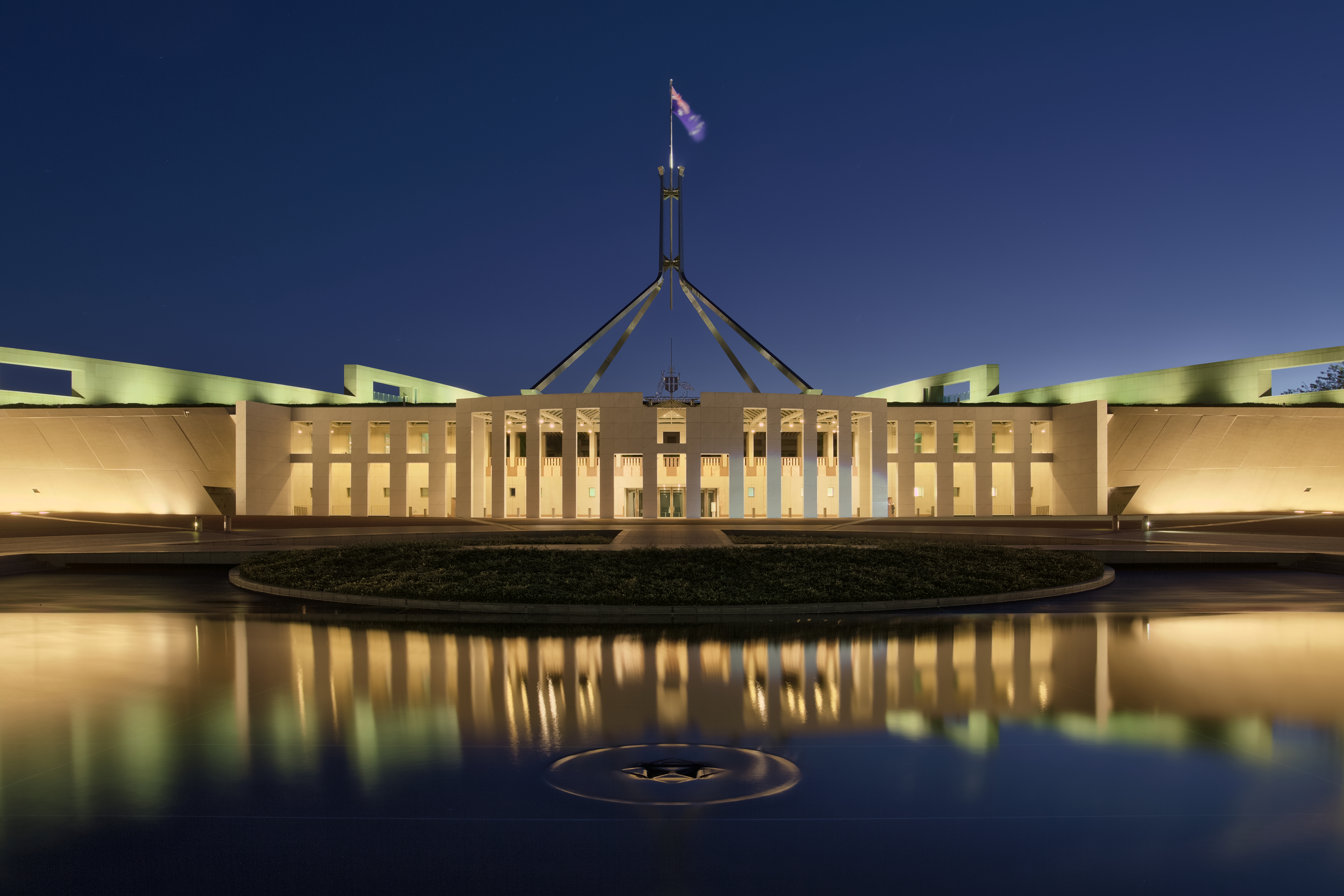
Prime Minister Sanae Takaichi announced she will visit Vietnam and Australia from May 1 to May 5 [1] to strengthen energy and mineral supply chains.
The diplomatic mission comes as Japan seeks to insulate its economy from instability in the Middle East and assertive actions by China. By diversifying its sources of critical minerals and energy, Tokyo aims to reduce its dependence on single-source providers and enhance national economic security.
Takaichi is scheduled to depart on the afternoon of May 1 [2]. Her itinerary includes official visits to Hanoi, Vietnam, and Canberra, Australia [3]. The prime minister said the trips are intended to confirm cooperation on the stability of energy supplies within Asia and the resilience of supply chains, including critical minerals.
Vietnam is a particular priority for the administration. Takaichi said that the country serves as a critical hub for Japanese supply chains, including the procurement of medical supplies [4]. This focus on healthcare logistics underscores the broader strategy of securing essential goods against geopolitical disruptions.
In Australia, discussions are expected to center on the long-term security of energy resources. The prime minister said that Japan remains open to dialogue and intends to respond strategically to the current global environment [5]. These talks align with Japan's effort to deepen economic security partnerships with like-minded nations in the Indo-Pacific.
The prime minister said that through these visits, she will confirm cooperation regarding the resilience of supply chains and the stable supply of energy in the Asian region, given the current situation in the Middle East [4].
“Japan is always keeping dialogue open. We want to respond strategically.”
This diplomatic push signals Japan's transition toward a more proactive 'economic security' foreign policy. By formalizing ties with Australia and Vietnam, Takaichi is attempting to create a strategic buffer against Chinese economic coercion and volatile energy markets. The specific mention of medical supplies suggests that Japan is expanding its definition of critical infrastructure beyond energy to include public health resilience.


