Prime Minister Takashi returned to Japan on July 3 [2] after meeting with Indian Prime Minister Narendra Modi to strengthen strategic ties.
The visit signals a major shift in Japan's Indo-Pacific strategy, combining massive economic investment with increased military cooperation to counter regional instability. These agreements aim to secure critical supply chains, and enhance security interoperability between the two nations.
During the summit, the leaders announced a new investment of 2 trillion yen [1] specifically targeting the semiconductor sector. The agreement also establishes new joint training exercises between the Japan Self-Defense Forces and the Indian military [1].
Takashi described the personal rapport developed during the trip. "He called me his 'beautiful younger sister,' and we promised to continue our relationship as brother and sister before this expanded meeting," Takashi said [3].
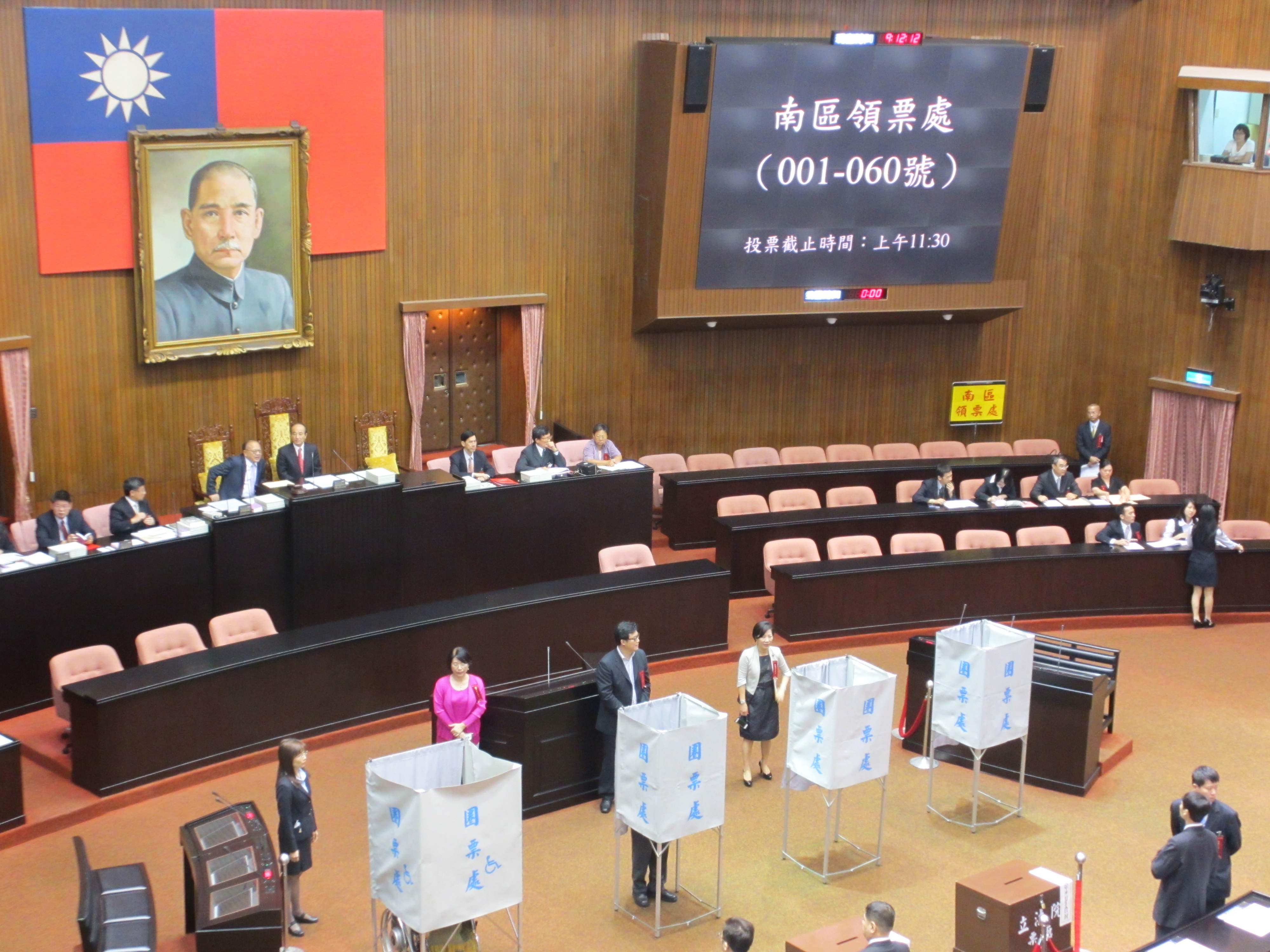
Despite the diplomatic gains, the Prime Minister returns to a stalled domestic legislature. The Japanese parliament is currently in a deadlock, with opposition members demanding the leader's immediate presence in key proceedings.
Ogawa, the representative of the Center Reform Union, criticized the Prime Minister's absence from the Diet. "Please come to the party leader debate, Ms. Takashi. Please come to the budget committee," Ogawa said [4]. "Who is the one refusing and protecting themselves?"
The opposition continues to press for a formal schedule for budget committee hearings, and party-leader debates to address pending domestic legislation before the session concludes.
“"He called me my 'beautiful younger sister,' and we promised to continue our relationship as brother and sister."”
The juxtaposition of a high-profile international victory and a domestic legislative stalemate highlights the tension in Takashi's administration. While the 2 trillion yen investment and military pact solidify Japan's role as a primary security and economic partner for India, the refusal to engage with the budget committee may weaken the Prime Minister's standing with the Japanese electorate and the opposition, potentially delaying critical domestic policy approvals.