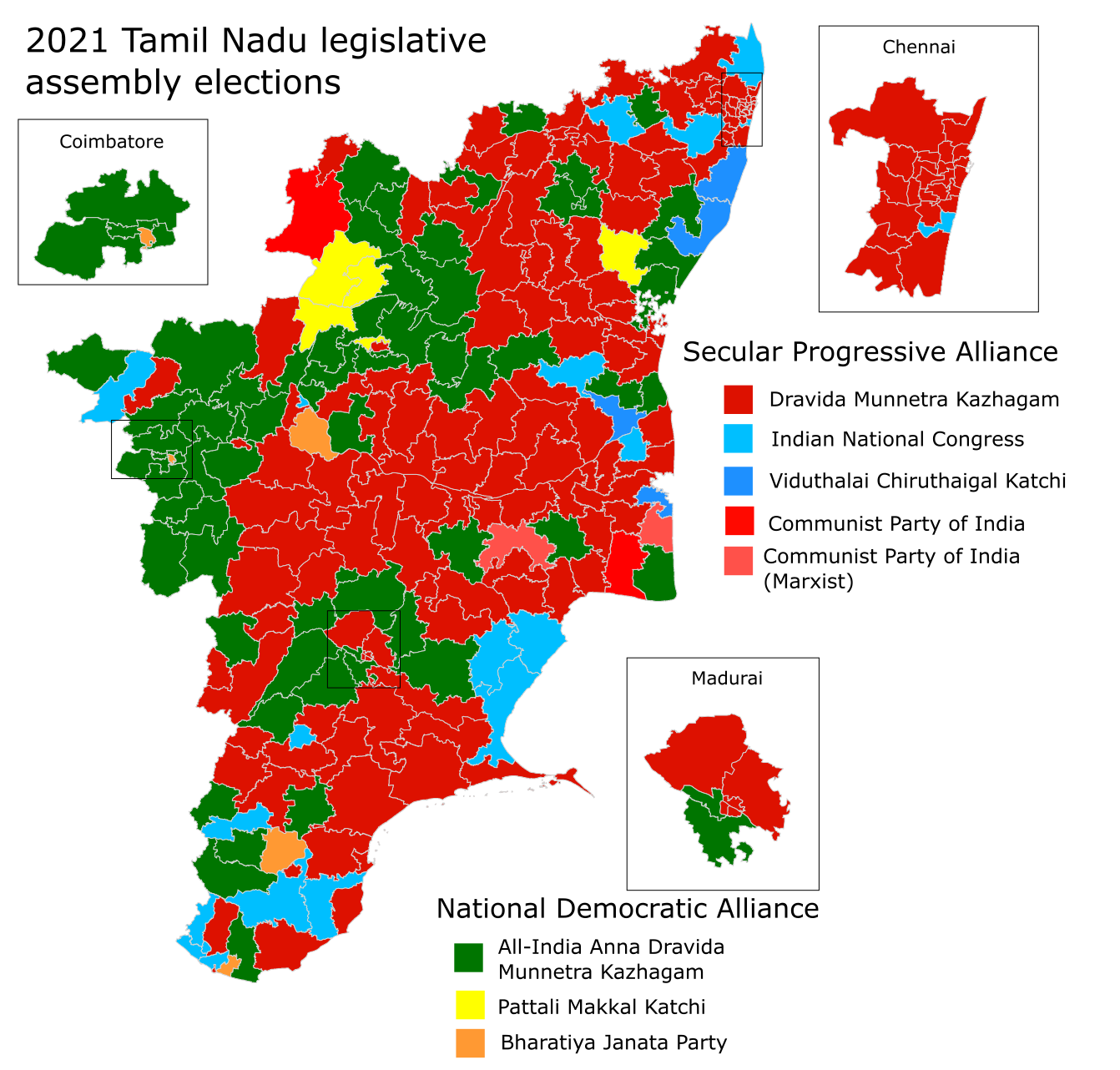
Tamil Nadu Chief Minister C. Joseph Vijay rejected a demand for an all-party meeting regarding the Cauvery water dispute during a legislative session.
The dispute over water rights and the proposed Mekedatu dam in Karnataka remains a volatile political issue that affects agriculture and water security across southern India.
During the session at the Tamil Nadu Legislative Assembly in Chennai, Vijay faced opposition leader Udhayanidhi Stalin (DMK). The opposition pushed for a broad consultative meeting to address the state's strategy against the Mekedatu dam project. Vijay dismissed the request, saying that the government would maintain a legal-only approach to the conflict.
Vijay said, "We will not compromise on Cauvery and the Mekedatu dam" [3]. The chief minister's stance marks a firm line against Karnataka's infrastructure plans on the river. He further indicated a willingness to endure political friction to ensure the state's water interests are protected.
In a separate statement, Vijay said, "I am prepared to bear insults if it means opening talks on the Cauvery issue" [1]. This comment highlights the tension between the current administration and the opposition's desire for a more inclusive political front.
The debate comes as Vijay reaches 100 days in office [4]. The milestone has been marked by several high-profile confrontations with the DMK, including this latest exchange over water rights.
While the DMK and other opposition parties argue that a unified political voice is necessary to pressure the central government and Karnataka, the chief minister continues to prioritize judicial remedies. The standoff in the assembly reflects a deeper divide over how to handle interstate river disputes, whether through diplomatic coalitions or strict legal adherence.
“"We will not compromise on Cauvery and the Mekedatu dam."”
The clash between CM Vijay and the DMK signals a shift in Tamil Nadu's internal political dynamics. By rejecting an all-party meeting, Vijay is asserting executive autonomy and betting that a legal strategy is more effective than a political coalition. This approach risks alienating opposition parties but allows the administration to control the narrative and the specific terms of any future negotiations with Karnataka.


