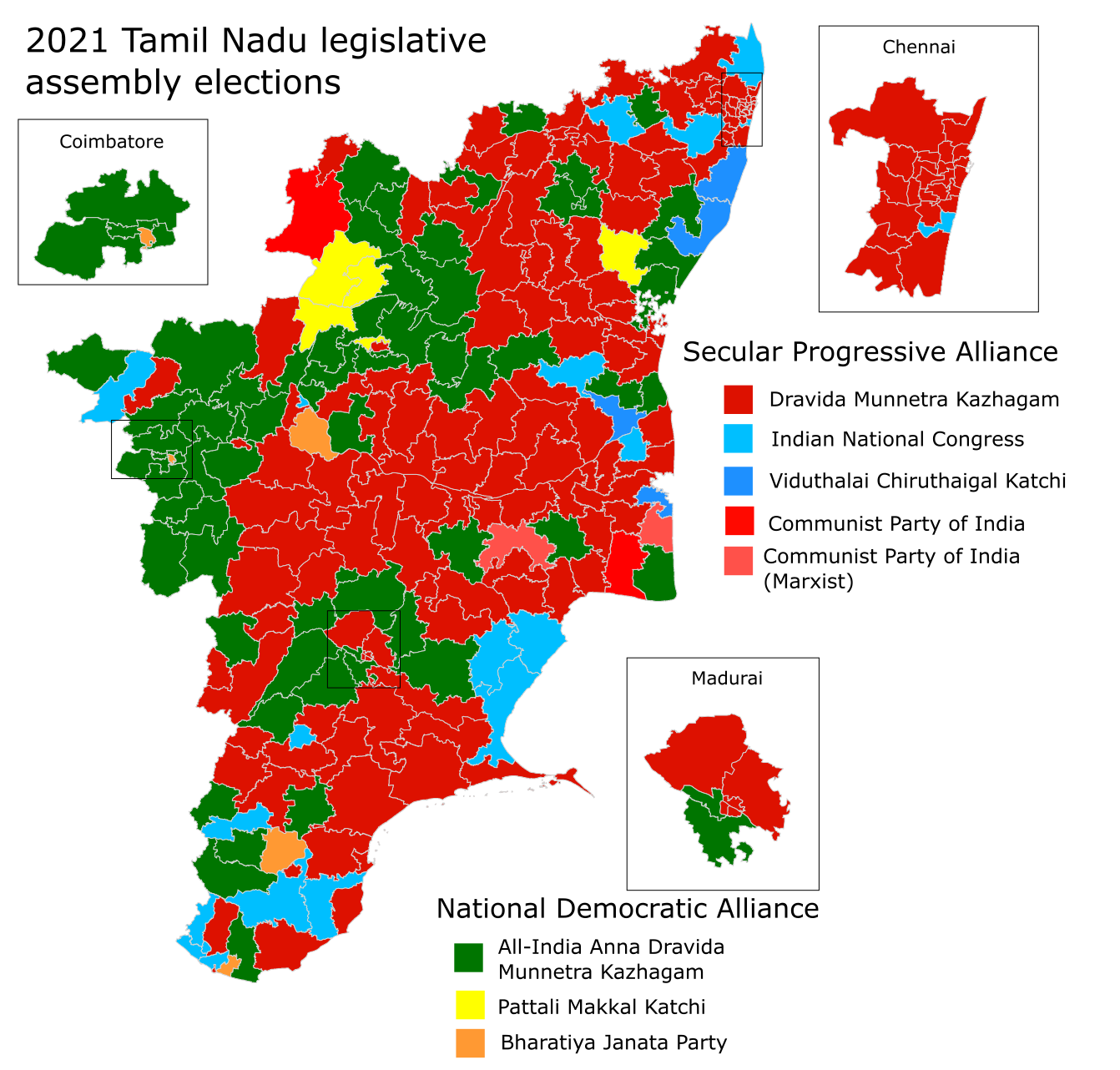
The Tamil Nadu Legislative Assembly unanimously passed a resolution opposing the construction of the Mekedatu dam project by Karnataka [1, 2].
The move signals a deepening of the long-standing water dispute between the two South Indian states. By formally requesting that the Union Government withhold all technical and environmental approvals, Tamil Nadu is attempting to block the project before construction begins [1, 2].
Chief Minister C. Joseph Vijay (TVK) led the assembly in adopting the resolution [1, 2]. The legislative body said the project violates existing legal awards and threatens the riparian rights of Tamil Nadu [1, 2]. This legal framework governs how states share river water, and any deviation is viewed as a breach of interstate agreements [1, 2].
Environmental concerns were also central to the resolution. The assembly said potential ecological damage could result from the dam's implementation [1, 2]. By passing the measure unanimously, the assembly demonstrated a rare cross-party consensus on the necessity of protecting the state's water security [1, 2].
The resolution specifically calls upon the central government to ensure no approvals are granted for the project [1, 2]. This puts the Union Government in a mediating role, as it must balance the developmental goals of Karnataka with the legal and environmental objections raised by Tamil Nadu [1, 2].
“The Tamil Nadu Legislative Assembly unanimously passed a resolution opposing the construction of the Mekedatu dam project.”
This resolution elevates a technical water dispute into a formal political mandate. By seeking to block federal approvals, Tamil Nadu is utilizing the Union Government as a strategic lever to prevent Karnataka from altering the flow of the river, which could impact agriculture and drinking water supplies in the downstream state.


