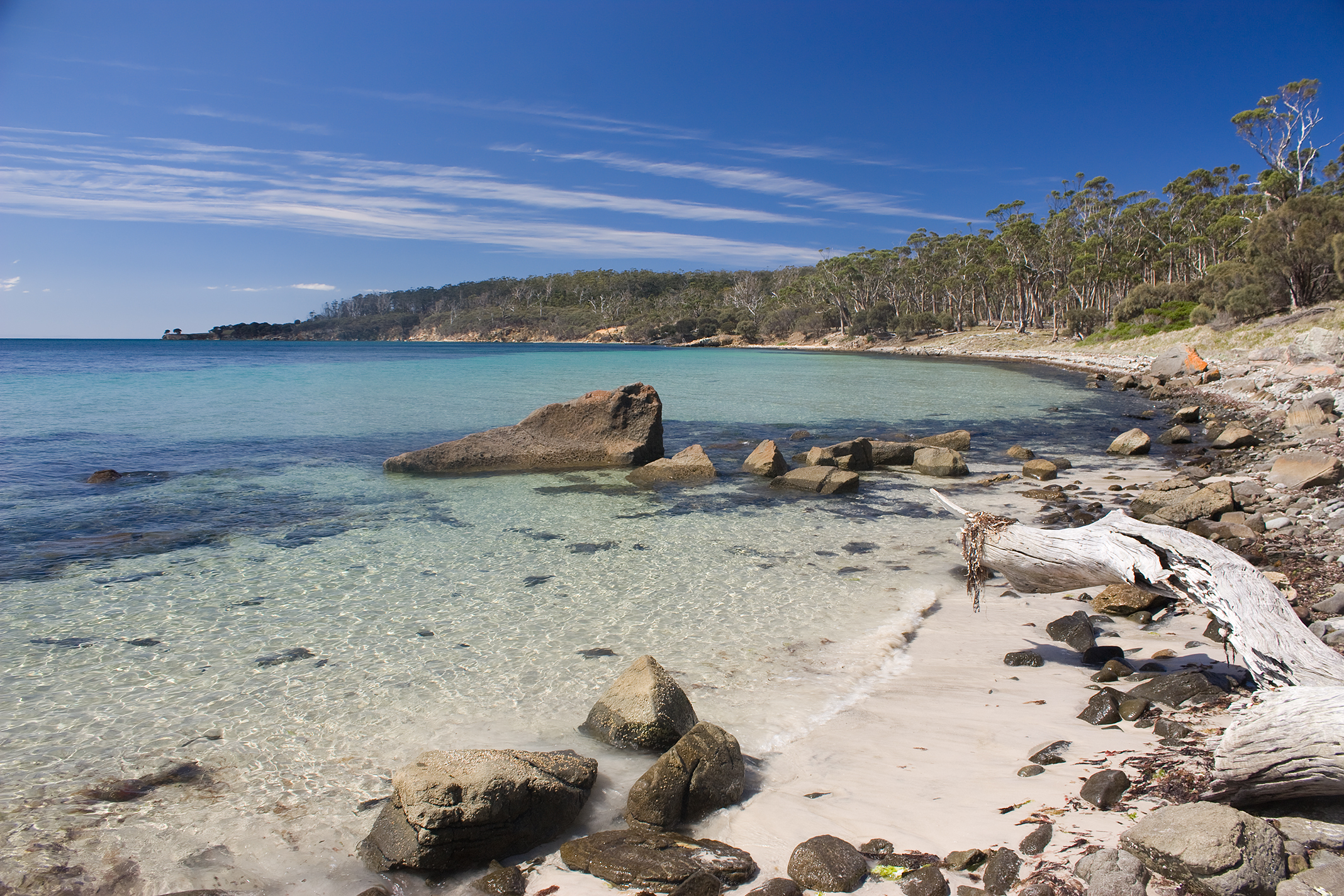
A one-ton elephant seal has become a viral sensation on the coast of Tasmania, attracting crowds of tourists to the Australian region [1], [2].
The animal's sudden celebrity status has created a tension between local tourism and wildlife preservation. As visitors flock to see the seal, officials are struggling to manage traffic and ensure the animal's safety from human interference.
The seal, referred to as either Neil or Neal [1], [2], weighs approximately 2,200 pounds [1]. At five years old, the animal has already amassed a social-media following that is more than double the human population of Tasmania [3], [4].
This digital popularity has translated into physical disruptions along the coastline. The seal has blocked roads and bent traffic bollards [3]. These incidents have led local officials to issue requests for the public to respect the animal's privacy [3].
While the seal serves as a significant tourist draw for the Australian coast [1], the scale of the attraction has raised concerns about the impact of viral trends on wildlife. The animal's size and behavior make it a curiosity, but its interactions with infrastructure highlight the risks of urban encroachment on natural habitats [3].
Authorities continue to monitor the situation to prevent further damage to road equipment and to ensure that the seal remains undisturbed by the crowds [3].
“The seal has a social-media following larger than Tasmania’s human population”
This situation illustrates the 'viral tourism' phenomenon, where social media algorithms drive massive, unplanned crowds to specific geographic locations. When a wild animal becomes a digital celebrity, the resulting human influx can lead to habitat degradation and public safety hazards, forcing local governments to balance economic tourism gains with environmental protection.


