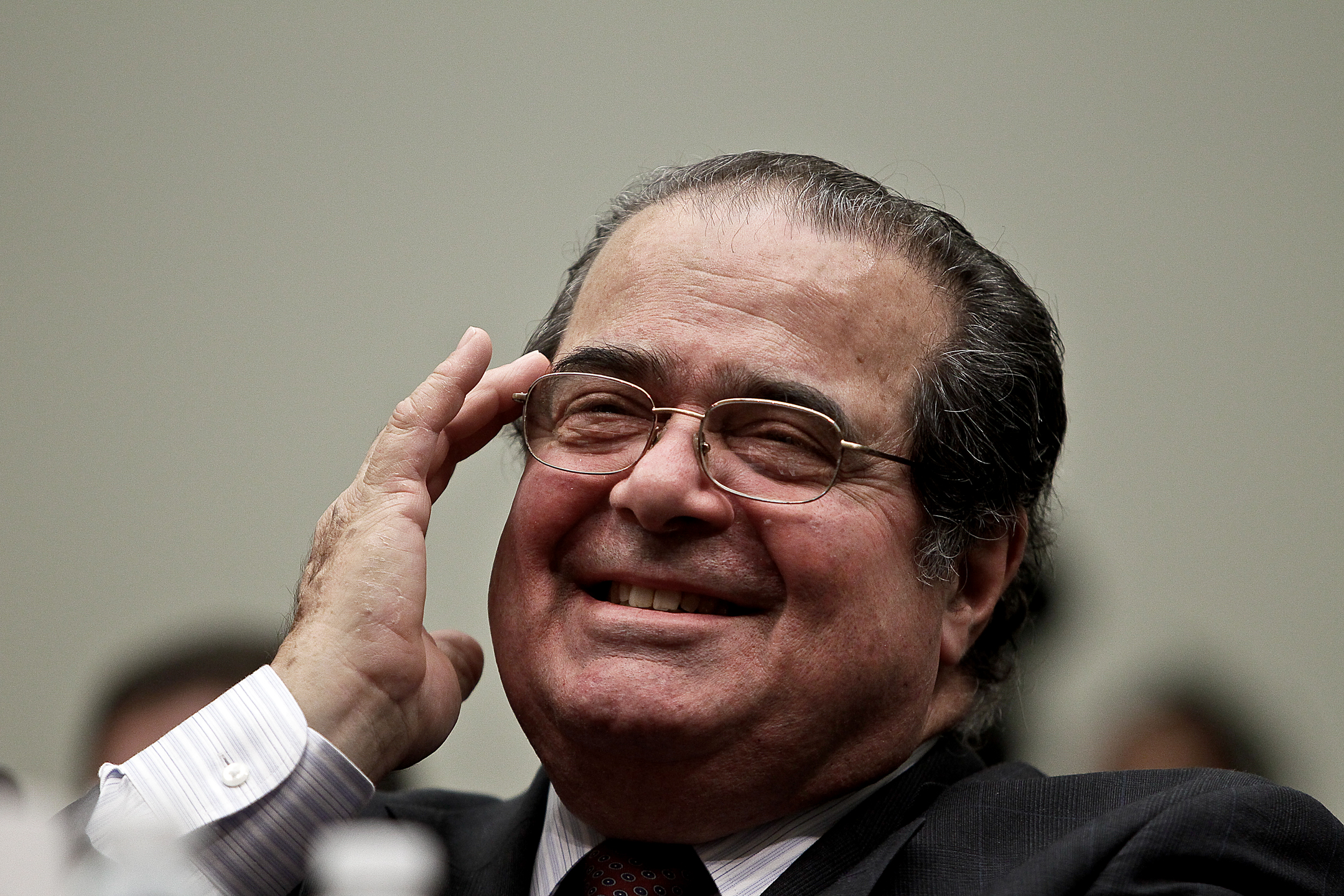
Ted Turner, the media mogul and founder of CNN, died Wednesday at age 87 [1].
His death marks the loss of a visionary who fundamentally changed how the world receives information. By establishing the first 24-hour news network, Turner shifted the industry away from scheduled evening broadcasts toward a model of constant, real-time reporting.
Scholars and media outlets are now reflecting on the lasting impact of his career. Turner is remembered for his role in pioneering the 24-hour news model, which allowed for immediate global coverage of breaking events [1]. This shift in delivery forced other networks to adapt and created the modern landscape of digital and cable news.
Beyond the technical infrastructure of CNN, Turner's legacy is tied to the globalization of news. His ambition to reach a worldwide audience transformed the network into a primary source for international crises and diplomatic developments [1]. This reach established a new standard for journalistic immediacy—one that defined the media era for decades.
Analysts said that Turner's influence extended past the newsroom into the broader business of media ownership. His ability to scale a niche idea into a global empire demonstrated the potential of satellite broadcasting and cable television [1].
As the industry continues to evolve toward streaming and social media, the foundation Turner built remains the blueprint for live information delivery. His career serves as a bridge between the era of traditional broadcast television and the current age of instant connectivity.
“Ted Turner, the media mogul and founder of CNN, died Wednesday at age 87”
The death of Ted Turner closes a chapter on the analog-to-digital transition of global news. By decoupling news from a specific time slot, Turner created the psychological expectation of 'instant' information, which paved the way for the current 24/7 digital news cycle and the rapid-fire nature of modern social media reporting.