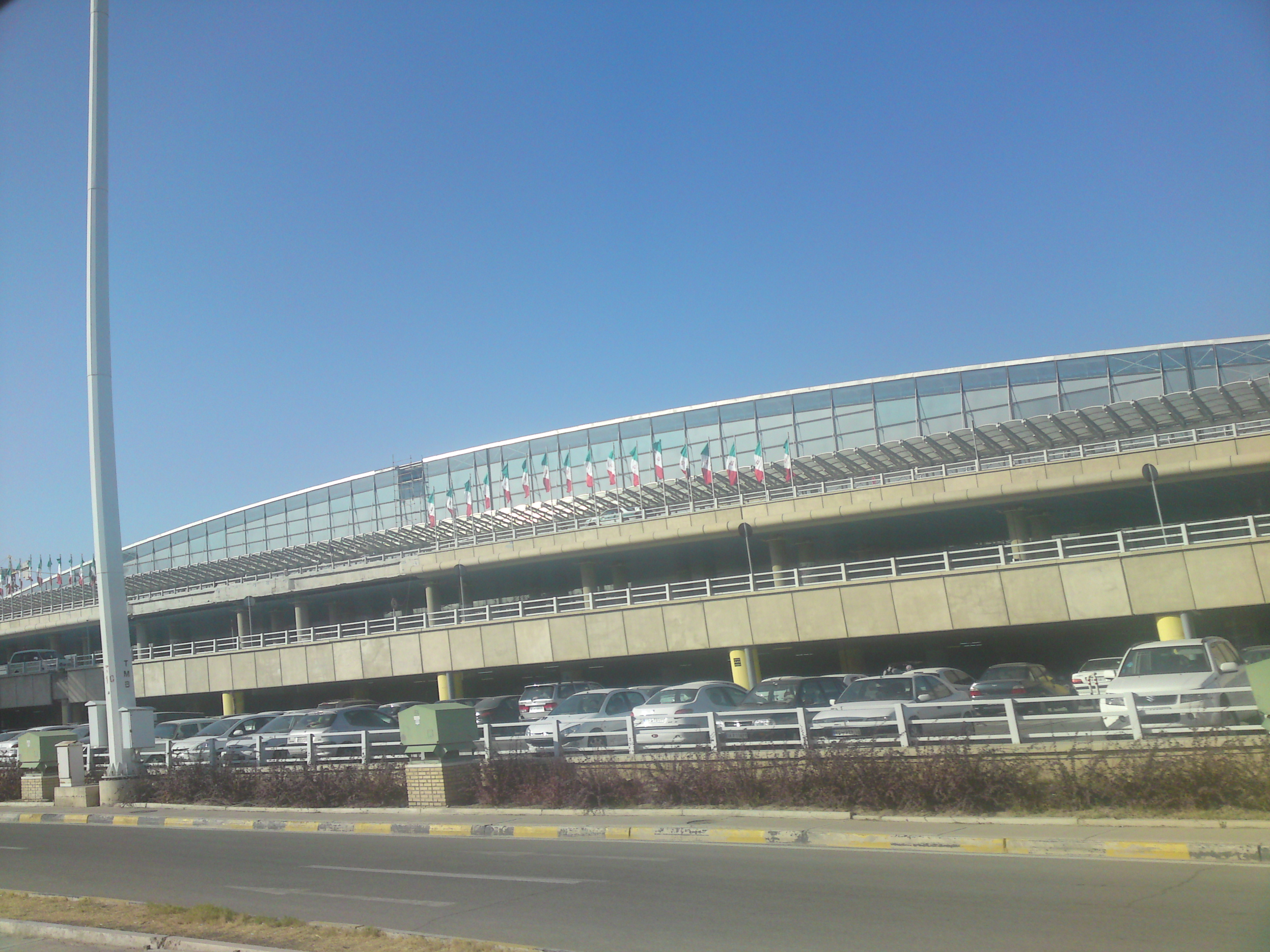
Tehran's Imam Khomeini International Airport has reopened for commercial flights following several weeks of disruption [1].
The resumption of service marks a critical attempt to normalize aviation in the Middle East after regional conflict forced widespread restrictions. Because the airport serves as a primary gateway for Iran, the slow recovery of flight traffic highlights the lasting economic and security strain caused by the instability.
Officials said the airport faced approximately two to three weeks of disruption before it was cleared for commercial use [1]. While aircraft are once again utilizing the runways, the volume of traffic remains significantly lower than levels recorded before the conflict began [1, 2].
"The airport is operating at a fraction of its pre‑war capacity, but flights are finally back in the air," Tohid Asadi said.
The disruption was driven by regional conflict and the resulting aviation restrictions that limited the ability of airlines to operate safely in Iranian airspace [2]. Despite the reopening, the reduced frequency of flights suggests that many carriers remain cautious about returning to full operational capacity.
Economic strain persists as the aviation sector struggles to recover the losses incurred during the shutdown [2]. The gradual return of flights is seen as a step toward normalization, though the pace of recovery depends on the continued stability of the regional security environment.
“The airport is operating at a fraction of its pre‑war capacity, but flights are finally back in the air.”
The limited reopening of Tehran's main airport indicates that while immediate kinetic threats may have subsided enough to allow flight operations, the perceived risk remains high. The gap between current traffic and pre-war levels reflects a lack of confidence from international carriers and a lingering economic impact that could isolate Iran further if full capacity is not restored.