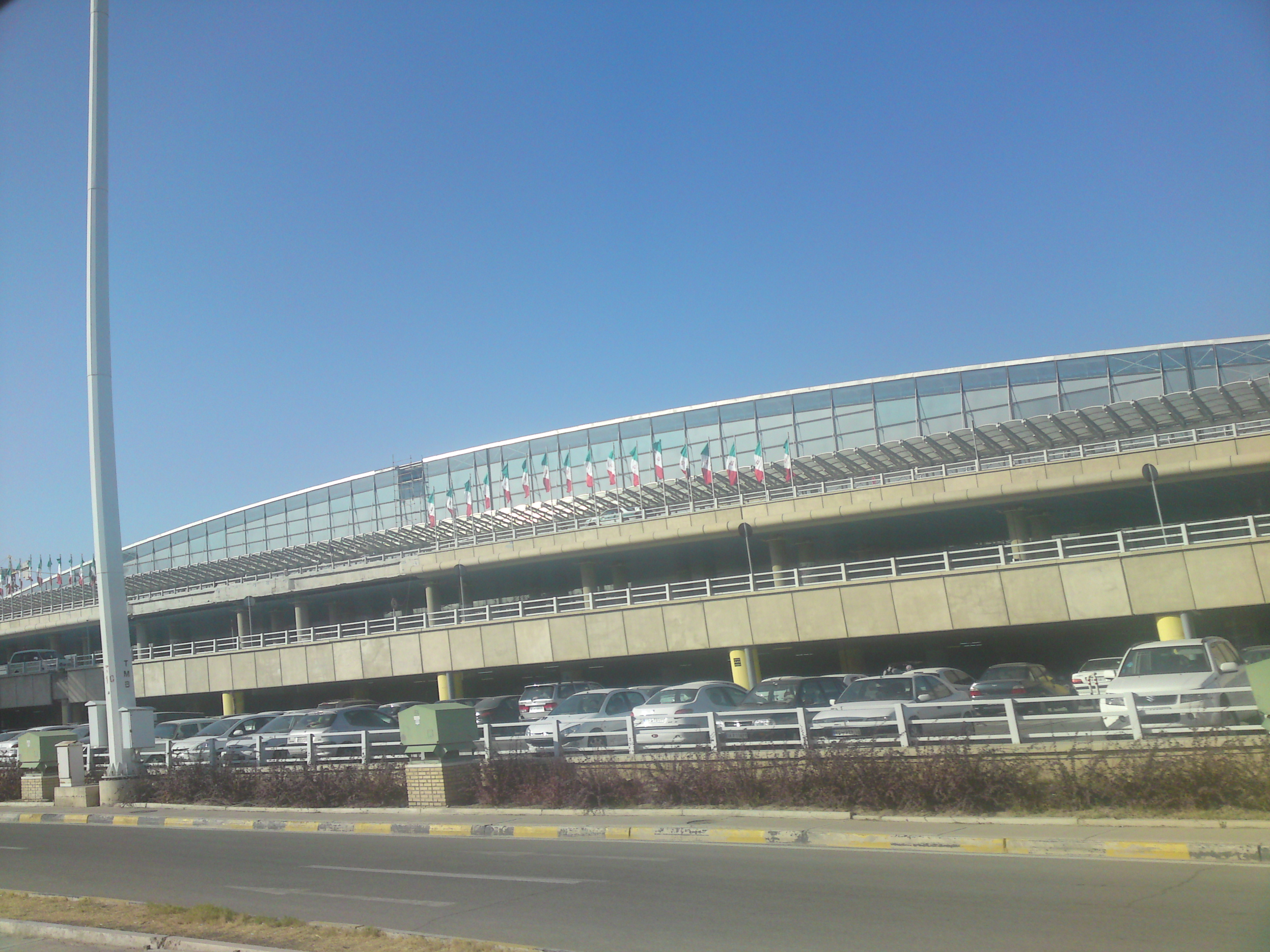
Passenger flights between Tehran and Dubai officially resumed on Monday [1].
The restoration of this route signals a gradual return to aviation stability in a region recently destabilized by military escalation. The corridor serves as a critical link for travel and commerce between Iran and the United Arab Emirates.
Services returned to Imam Khomeini International Airport in Tehran and Dubai International Airport [2]. The disruption followed a period of regional conflict that included Iranian drone and missile strikes on UAE targets and earlier U.S.–Israeli strikes on Iran [3, 4].
An Iranian state media spokesperson said, "Flights between Tehran and Dubai will resume on Monday" [1]. The resumption comes several weeks after the drone and missile attacks on UAE targets [1].
Emirates has also moved to restore its presence on the route. The CEO of Emirates said, "We are committed to restoring full service to Dubai as soon as safety conditions allow" [5]. While some reports indicate that certain major airlines continue to suspend some Dubai routes, other sources confirm that carriers are gradually restoring services as the region stabilizes following the February U.S.–Israeli strikes on Iran [6, 7].
Flight schedules are returning to normal as diplomatic efforts improve the safety outlook for commercial aviation [3]. The reopening of the Tehran airport for commercial flights marks a step toward normalization for Middle East aviation [2].
“"Flights between Tehran and Dubai will resume on Monday."”
The resumption of flights between Tehran and Dubai indicates a tactical easing of tensions between Iran and the UAE. While the broader regional security environment remains volatile following U.S. and Israeli military actions, the restoration of commercial air corridors suggests that both nations are prioritizing the economic and diplomatic necessity of travel over the immediate risks of further escalation.


