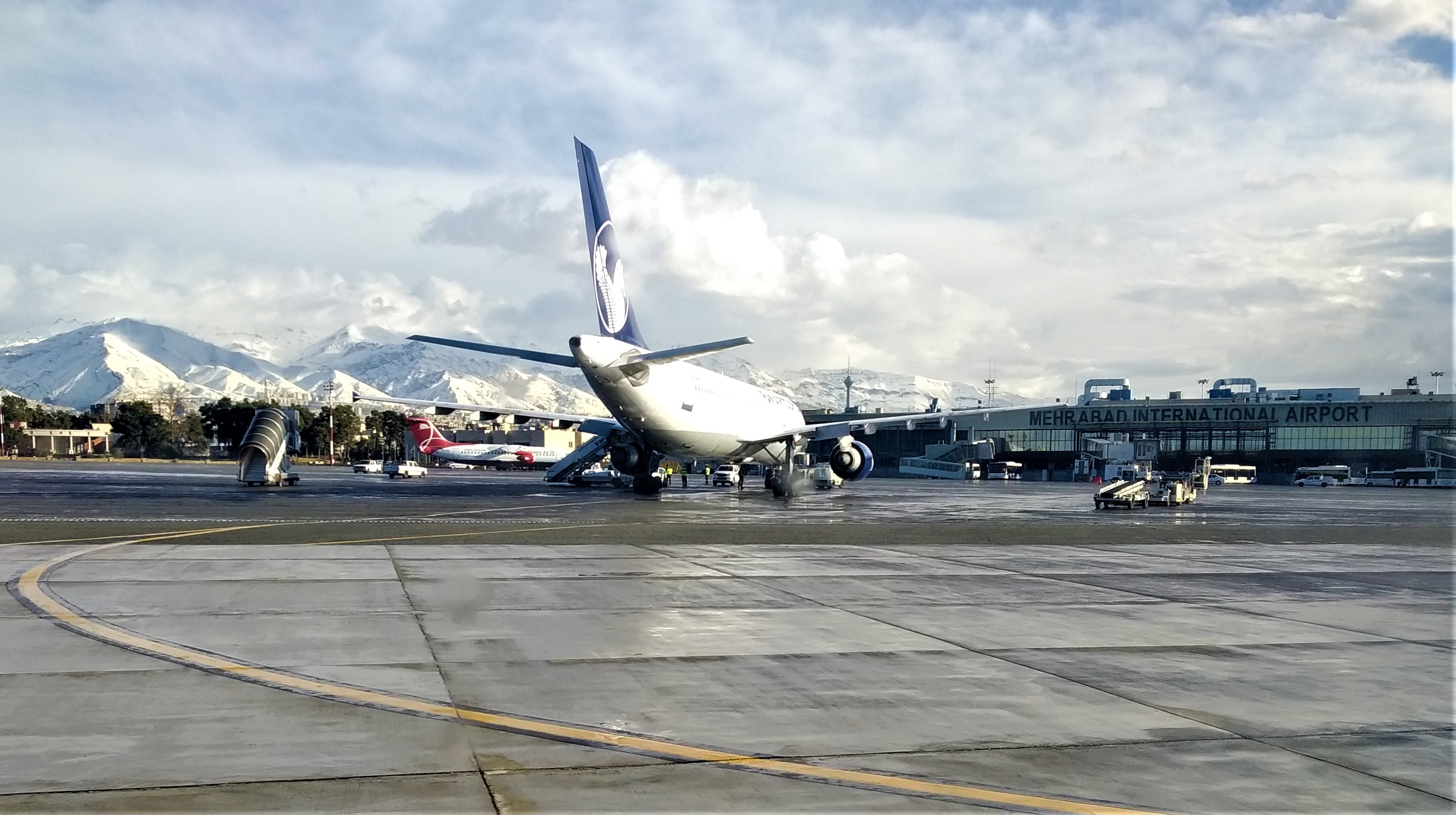
Flights between Tehran and Dubai resumed Monday after a period of suspension caused by regional conflict [1, 2, 3].
The restoration of this route marks a significant shift in travel and logistics between Iran and the United Arab Emirates. The suspension of these flights disrupted a critical transit corridor used by thousands of passengers and commercial operators.
Air services are operating between Imam Khomeini International Airport in Tehran and both Dubai International Airport and Al Maktoum International Airport [2]. Iranian state media and Dubai Airports coordinated the resumption of these flights [1, 2].
The disruption began after a war started Feb. 28, 2024 [2]. The suspension lasted for months [2] and followed a series of Iranian drone and missile strikes targeting locations within the UAE [1, 2]. This resumption occurs weeks after those specific strikes were launched [1].
While state media reports the return of flights, the recovery is not universal across the region. Some airlines continue to suspend routes to Dubai and other Middle East destinations [2]. This suggests that while the primary Tehran-Dubai corridor is open, broader aviation stability in the region remains incomplete.
Officials have not specified the full schedule of returning carriers, but the reopening of these specific airports indicates a move toward normalizing air traffic between the two nations [2].
“Flights between Tehran and Dubai resumed this Monday after a period of suspension.”
The resumption of flights between Tehran and Dubai suggests a tactical de-escalation in aviation restrictions between Iran and the UAE. However, the continued suspension of other Middle East routes by various airlines indicates that the regional aviation industry is still reacting to the instability triggered by the conflict that began in early 2024.


