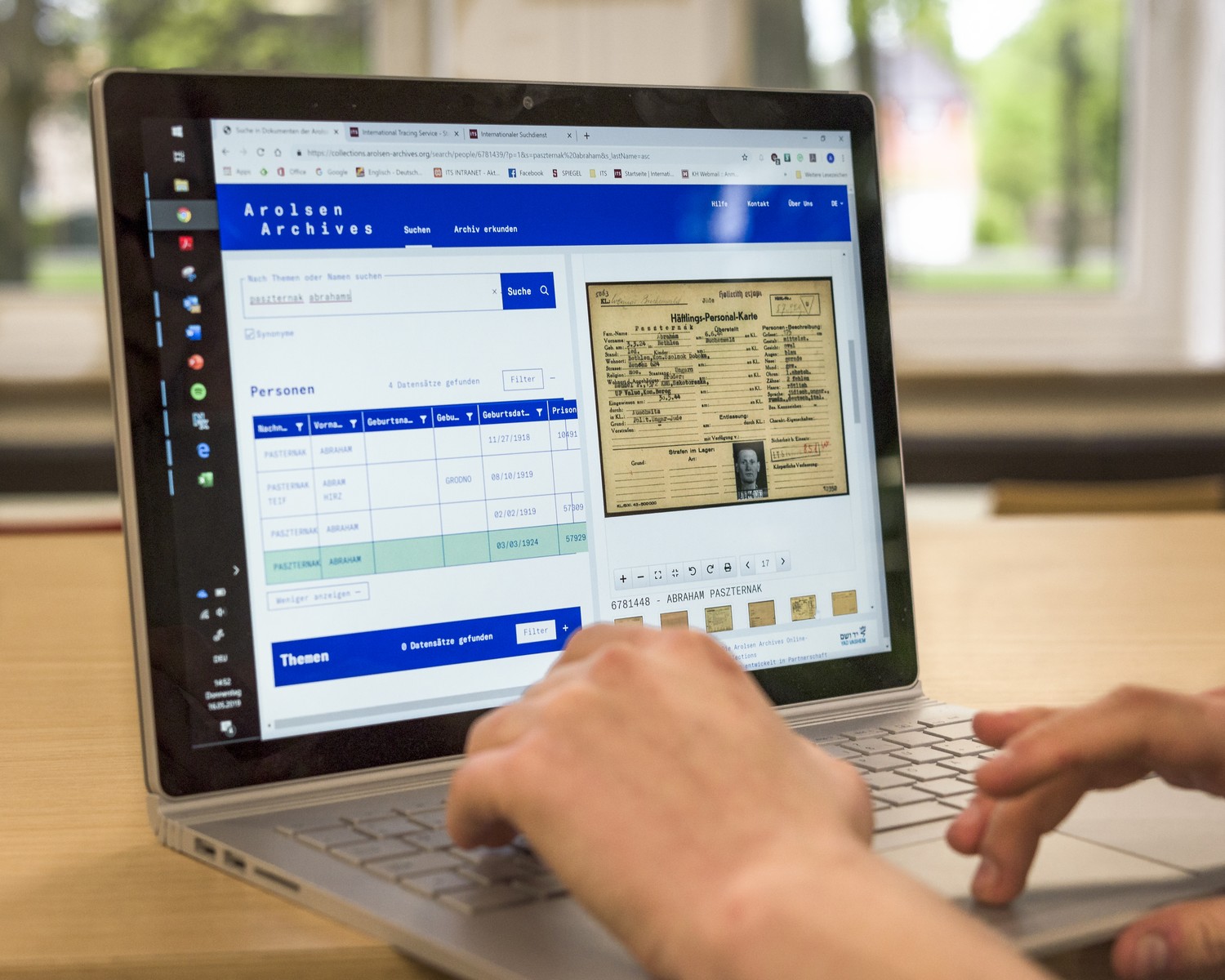
Terra Clean Energy Corp. has finished acquiring and digitizing a significant historic exploration database for its Marysvale Uranium Mines project in Utah [1].
This move allows the company to integrate legacy geological data into modern digital systems. By converting historic records, the firm can better identify potential uranium deposits and optimize its exploration strategy in a known mining district.
The project is located within the historic Marysvale Uranium District in the U.S. [1]. Terra Clean Energy Corp. maintains 100% ownership of the Marysvale Uranium Mines project [1]. The process involved the acquisition, compilation, and digitization of extensive records that were previously in non-digital formats.
Headquartered in Vancouver, B.C., the company operates across multiple exchanges, including the CSE, OTCQB, and FSE [1]. The completion of this database project, announced on Monday, Aug. 10, provides a foundation for future drilling and exploration activities [1].
Digitizing historic data is a common practice in the mining industry to reduce the risk of redundant drilling. By utilizing existing records, companies can target specific anomalies that were noted in previous decades, but not fully explored with modern technology.
“Terra Clean Energy Corp. maintains 100% ownership of the Marysvale Uranium Mines project.”
The digitization of legacy data reduces operational risk and capital expenditure by preventing the repetition of historic exploration errors. For Terra Clean Energy, this provides a competitive advantage in the Marysvale district, as the ability to synthesize old data with new geospatial modeling often reveals overlooked mineral trends.


