Tesla, Inc. is deploying its autonomous taxi, the Cybercab, into a real robo-taxi service in Austin, Texas [1, 2].
This move marks a transition from controlled testing to a public-facing passenger service. By removing traditional driver controls, Tesla aims to redefine urban transit and expand its autonomous business model.
The Cybercab is a purpose-built vehicle that lacks both a steering wheel and pedals [1, 2]. Designed specifically for autonomous ride-hailing, the vehicle features a seating capacity of two seats [1].
Deployment is scheduled to begin as early as August 2024 [2]. The rollout will follow a phased approach, starting with runs conducted exclusively by company staff [1, 2]. Tesla plans to open the service to general passengers within a few days after the initial staff-only phase [1, 2].
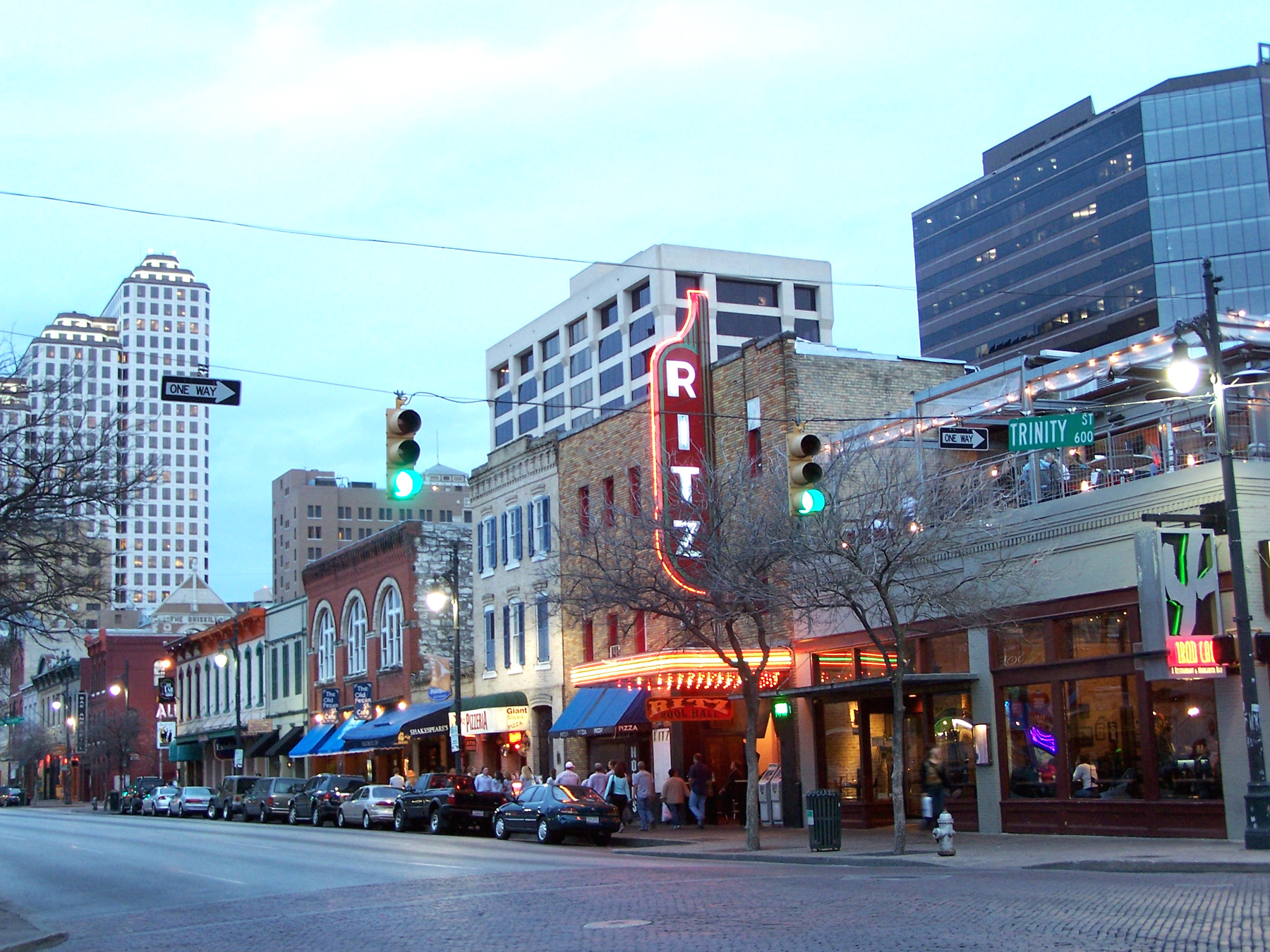
The selection of Austin as the launch site places the service in a city where Tesla already maintains a significant operational presence. The company intends to use the city as a proving ground for the Cybercab's ability to navigate real-world traffic without human intervention [1, 2].
This deployment represents a significant shift in the company's strategy, moving away from adapting existing consumer cars for autonomy toward a dedicated fleet of driverless vehicles [1, 2].
“The Cybercab is a purpose-built vehicle that lacks both a steering wheel and pedals.”
The introduction of a vehicle entirely devoid of manual controls signals Tesla's confidence in its full self-driving software. By launching in Austin, the company is testing the scalability of a dedicated robo-taxi fleet, which could pivot Tesla from a primary vehicle manufacturer to a service-based transportation provider.


