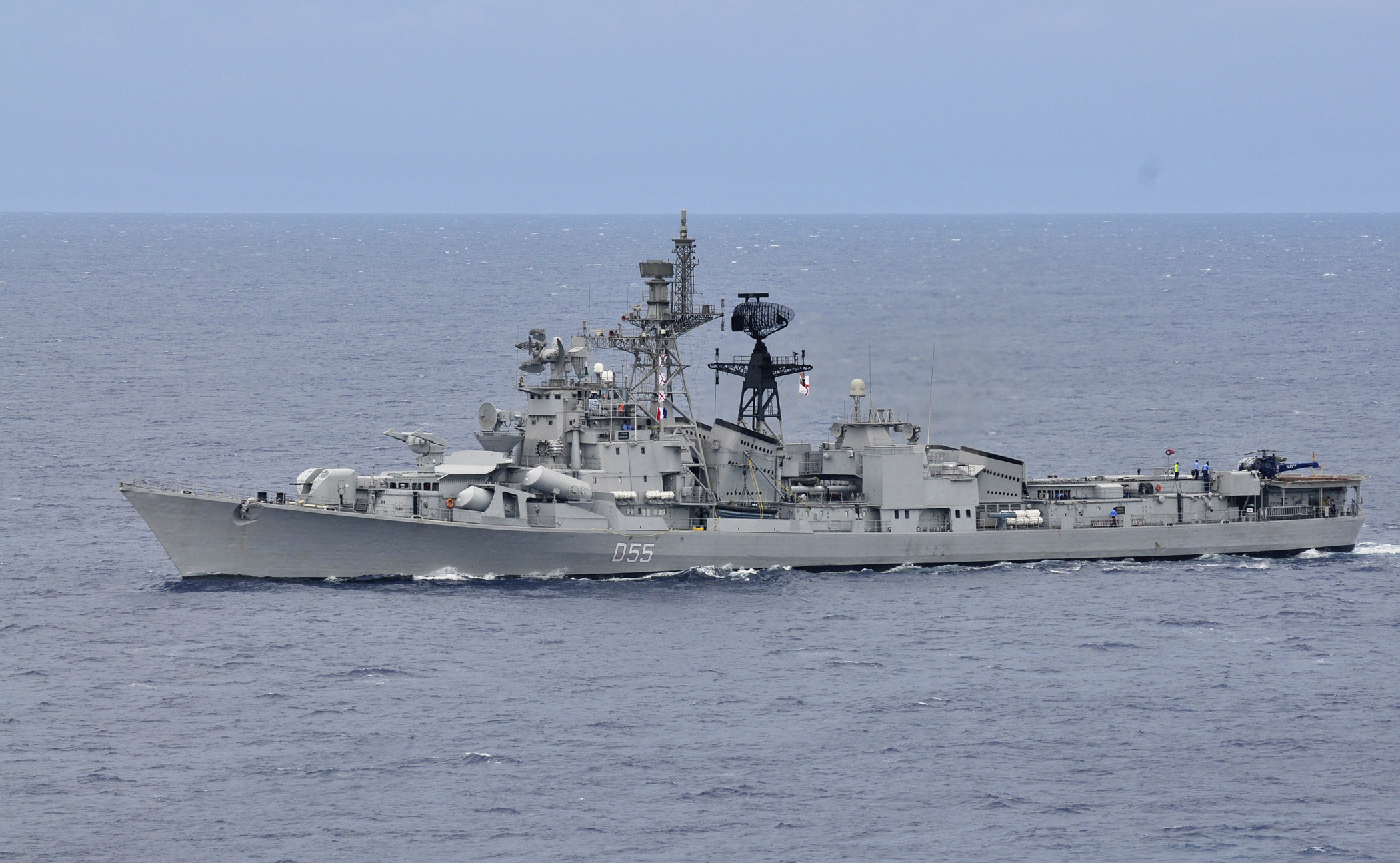
Congress leader Manish Tewari condemned the United States for a "belligerent" response following a missile strike that killed three Indian sailors [1].
The incident creates significant diplomatic tension between New Delhi and Washington, as opposition leaders question whether the Indian government is pushing back sufficiently against a perceived lack of regret from the U.S.
The sailors were killed during a strike in the Strait of Hormuz, located in the Gulf region [1], [2]. Tewari said the U.S. response to the deaths has been "belligerent and not regretful" [2]. He said the tone of the U.S. statement was "coarse" [2].
In a statement released Sunday, June 9, 2024, Tewari called for greater transparency regarding the diplomatic handling of the tragedy [1], [2]. He said External Affairs Minister S. Jaishankar should release the official readout of a conversation held with U.S. official Marco Rubio [1].
"We need the official readout of the conversation with Marco Rubio," Tewari said [1].
The Congress leader argued that the nature of the U.S. communication warrants a stronger diplomatic response from India. By demanding the readout, Tewari seeks to verify the exact language used by the U.S. government, and the level of accountability taken for the loss of the three sailors [1], [2].
“"The US response has been belligerent and not regretful."”
This confrontation highlights a growing friction between India's domestic political opposition and its foreign policy execution. By framing the U.S. response as 'coarse,' Tewari is attempting to pivot a maritime tragedy into a critique of the current administration's perceived weakness in bilateral diplomacy, specifically regarding the protection of Indian citizens abroad.