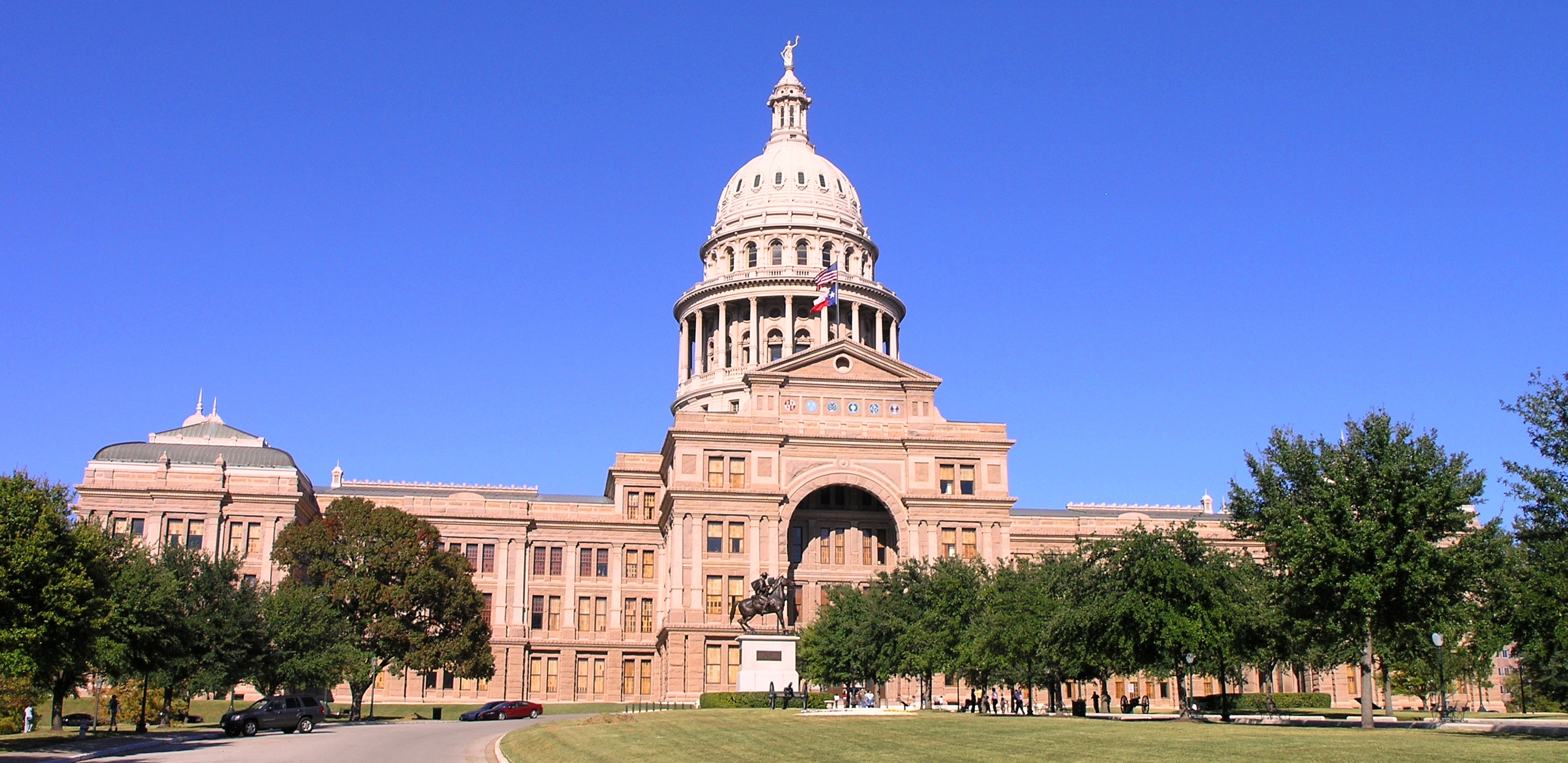
The Texas State Board of Education voted Friday to add Bible passages to the required reading list for K-12 English and literature classes.
The decision introduces a significant shift in public school curriculum by integrating religious texts into mandatory academic requirements. This move is expected to affect more than five million students [1].
Board members cast the vote during a meeting in Austin on June 26 [2]. The new requirement ensures that students across the state will encounter specific passages from the Bible as part of their standard coursework.
Those in favor of the measure argued that Bible stories are a fundamental part of Western literary heritage. They said these texts should be studied alongside other classic literature to provide students with a complete understanding of the literary canon [3].
While some reports suggest Texas is the first state to make the Bible a required part of the reading list, the board focused on the literary value of the texts rather than religious instruction [4]. The integration will apply to public schools statewide, targeting the English and literature curricula specifically [3].
The board's action comes as part of a broader effort to redefine the required materials for Texas students. By designating these passages as required reading, the board establishes a baseline for literature education that includes religious historical texts [1].
School districts will now be tasked with implementing these requirements within their respective K-12 classrooms. The board did not specify the exact passages to be used, but the mandate applies to all public schools in the state [3].
“The move affects more than five million students”
This decision represents a significant intersection of religious text and state-mandated secular education. By framing the Bible as 'Western literary heritage,' the board attempts to bypass traditional separations of church and state, shifting the context from theology to humanities. The scale of the mandate—affecting millions of students—sets a potential precedent for other states to integrate religious texts into core academic requirements under the guise of literary history.


