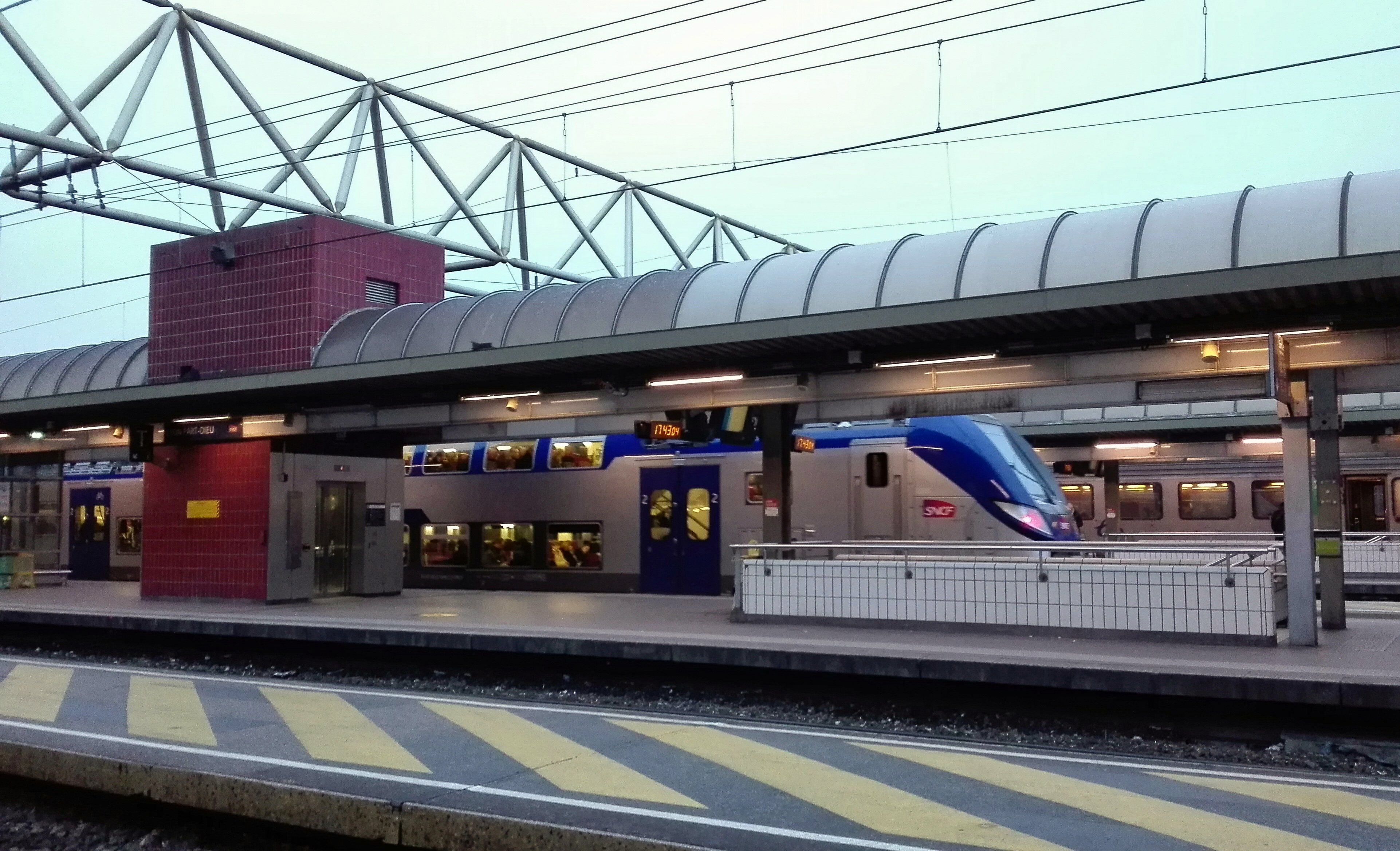
Two TGV trains were delayed for several hours without air conditioning on May 25, 2026, following a power failure near Lyon [1, 3].
The incident highlights the vulnerability of high-speed rail infrastructure to extreme temperatures, a growing concern as heatwaves become more frequent across Europe.
The failure occurred on the LGV Sud-Est high-speed line north of Lyon [1, 2]. The outage disabled the climate control systems on both trains, leaving more than 1,000 passengers stranded in high temperatures [1]. Reports on the specific routes involved vary, with some citing Basel-Paris services and others indicating Paris-Nice trains [1, 2].
Passengers faced significant delays during the event. While some reports indicate the disruption lasted seven hours [2], other sources state the delays reached more than eight hours [1]. The lack of functioning air conditioning during a heatwave created hazardous conditions for those trapped on board.
Officials attributed the failure to the weather. Jean Castex said, « La canicule est bien en cause » [2]. The disruption was caused by a rupture of the catenaries, the overhead lines that provide electricity to the trains [2]. This electrical failure not only halted the trains' movement but also cut power to essential cooling systems.
Rail operators worked to resolve the catenary failure and move the stranded passengers. The incident underscores the technical challenges of maintaining electrical stability when metal components expand and fail under extreme heat [2].
“« La canicule est bien en cause »”
This failure demonstrates that existing high-speed rail infrastructure may not be sufficiently resilient to the increasing intensity of European heatwaves. When catenaries fail due to thermal expansion, the loss of power creates a secondary crisis by disabling climate control, transforming a transit delay into a public health risk for passengers.


