The Thai government will prosecute oil traders who hoarded fuel, specifically diesel, during a fuel crisis in March 2024 [1].
This crackdown signals a shift toward stricter enforcement of anti-hoarding laws to prevent artificial shortages that destabilize the national energy market. By targeting the logistics of the trade, the government aims to deter future speculation during periods of volatility.
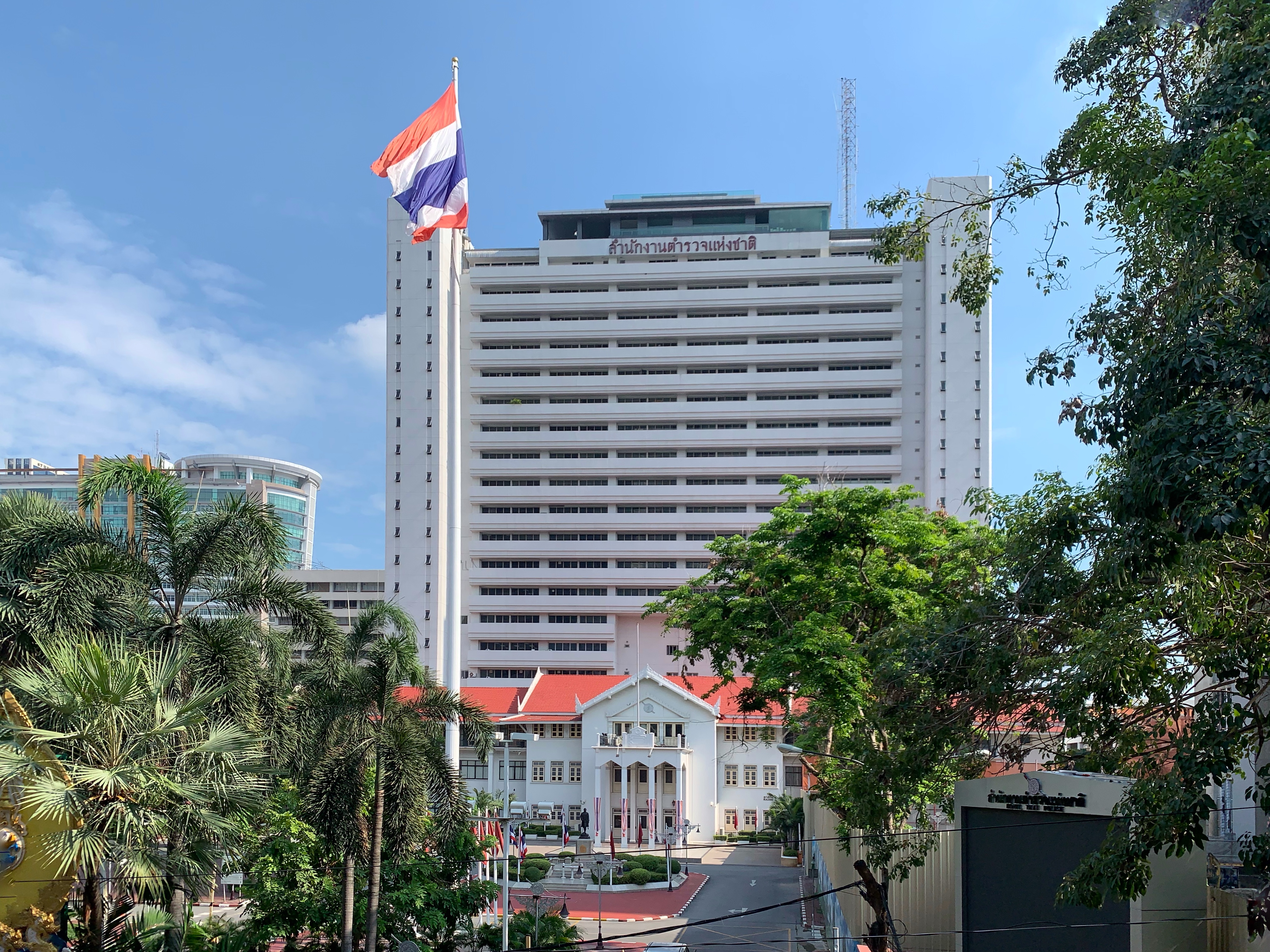
Justice Minister Pol Lt Gen Rutthapon Naowarat said the announcement Monday at the Royal Thai Police headquarters in Bangkok [1]. The legal actions target traders who stored fuel on boats and trucks to manipulate supply levels [1].
"The government will take legal action against oil traders who hoarded fuel, mainly diesel, on boats and trucks in March," Naowarat said [1].
The move follows an investigation into the fuel shortages that occurred earlier this year. Authorities believe that hoarding practices contributed significantly to the scarcity of diesel, which is critical for the country's transport, and agricultural sectors [1].
Government officials said the objective is to address the fuel shortage caused by hoarding and enforce existing laws [1]. The use of mobile storage, such as trucks and vessels, allowed traders to bypass traditional monitoring systems—making the detection of these stockpiles a primary focus of the police investigation [1].
While the specific number of traders facing charges has not been released, the ministry said that the prosecution is necessary to maintain market integrity [1].
“The government will take legal action against oil traders who hoarded fuel.”
This legal action reflects Thailand's effort to secure its domestic energy supply chain against opportunistic hoarding. By prosecuting those who used non-traditional storage like boats and trucks, the government is attempting to close regulatory loopholes that allow traders to hide stockpiles and artificially inflate prices during crises.


