
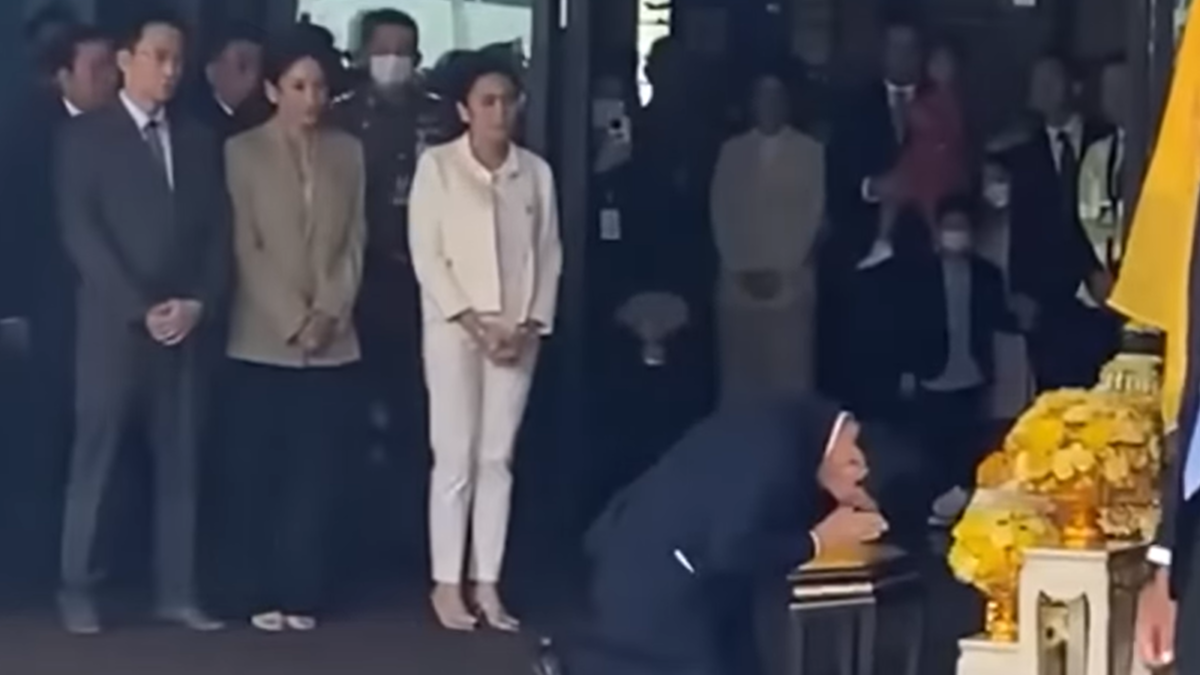
Former Thai Prime Minister Thaksin Shinawatra received a royal pardon on June 3, 2026 [1], freeing him from his remaining prison sentence and parole.
The release of the influential former leader marks a significant shift in the legal status of a man whose political career has long divided the nation. His full freedom removes the remaining judicial restrictions that had limited his movements and political activity since his return to Thailand.
The pardon was issued as part of a broader royal clemency measure to commemorate the 48th birthday of Queen Suthida [2]. According to the Thai Justice Minister, the pardon grants Thaksin full release from both the remainder of his sentence and any existing parole obligations [3].
Thaksin had been serving a one-year sentence [4] following his return to the country. Before the royal decree was issued on June 3, 2026 [1], he had already served eight months of that term [4].
The decision to grant clemency is tied to the traditional practice of the Thai monarchy issuing pardons to coincide with major royal milestones. This specific act of mercy aligns with the celebrations surrounding the Queen's birthday [2].
Officials in Bangkok confirmed the release, ending the legal limbo for the former prime minister [3]. The move concludes a period of incarceration and supervised release that had kept Thaksin under state monitoring [3].
“Former Thai Prime Minister Thaksin Shinawatra received a royal pardon on June 3, 2026”
The full pardon of Thaksin Shinawatra removes the final legal barriers to his potential return to the center of Thai political life. By eliminating parole obligations, the state has transitioned him from a convicted felon under supervision to a private citizen with full legal rights, potentially altering the power dynamics between the royalist establishment and the populist movements he historically led.


