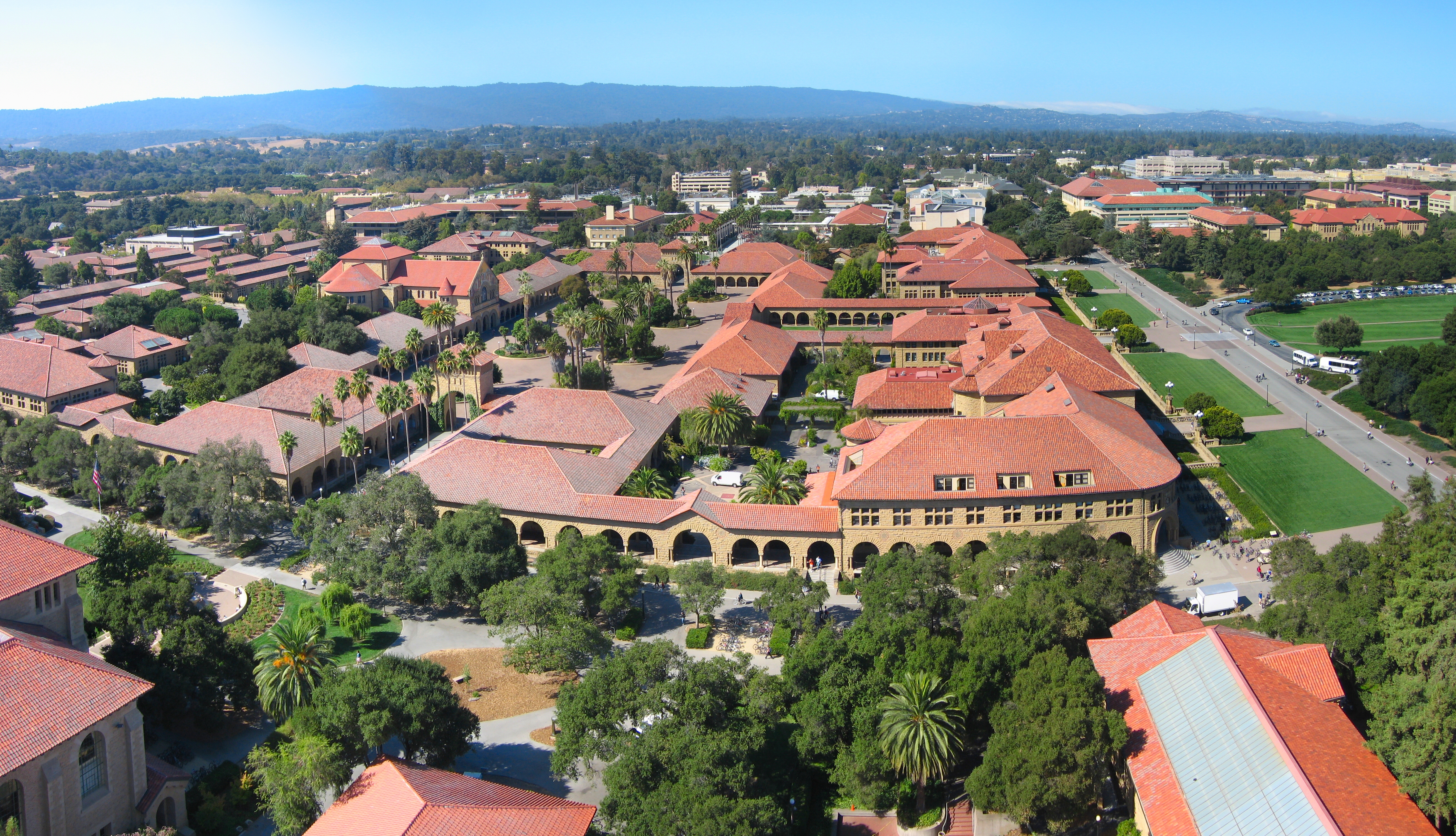
Stanford student journalist Theo Baker has released a book examining the hidden ecosystems of power and influence at Stanford University [1].
The work provides a critical look at how the university's ties to Silicon Valley and its internal power structures shape the educational and research environment. By detailing these dynamics, Baker explores the intersection of academic prestige and venture capital influence in the U.S.
In "How to Rule the World: An Education in Power at Stanford University," Baker analyzes the systems that govern the institution [1]. The book was released in 2026 [2]. It specifically investigates the institutional culture and the power dynamics that contributed to the firing of former university president Marc Tessier‑Lavigne [1].
Baker's reporting previously played a significant role in the events that led to Tessier‑Lavigne's resignation in 2023 [2]. The author uses his experience as a student journalist to expose how the university operates behind the scenes, focusing on the relationship between the campus and the tech industry.
The narrative describes the "dark side" of Stanford's connection to Silicon Valley [5]. Baker said that these ties create a specific type of education focused on power and global influence rather than purely academic pursuit [3].
Through the text, Baker criticizes the prevailing campus culture and the way the university manages its reputation [6]. He said that the hidden ecosystem of the school prioritizes certain power structures over transparency [3].
“How to Rule the World: An Education in Power at Stanford University”
The publication of this account by a student journalist highlights a growing tension between traditional academic governance and the influence of external corporate interests. By linking the 2023 resignation of a university president to broader systemic issues, the work suggests that institutional failures at elite universities may be symptoms of a deeper integration with the Silicon Valley power structure.