
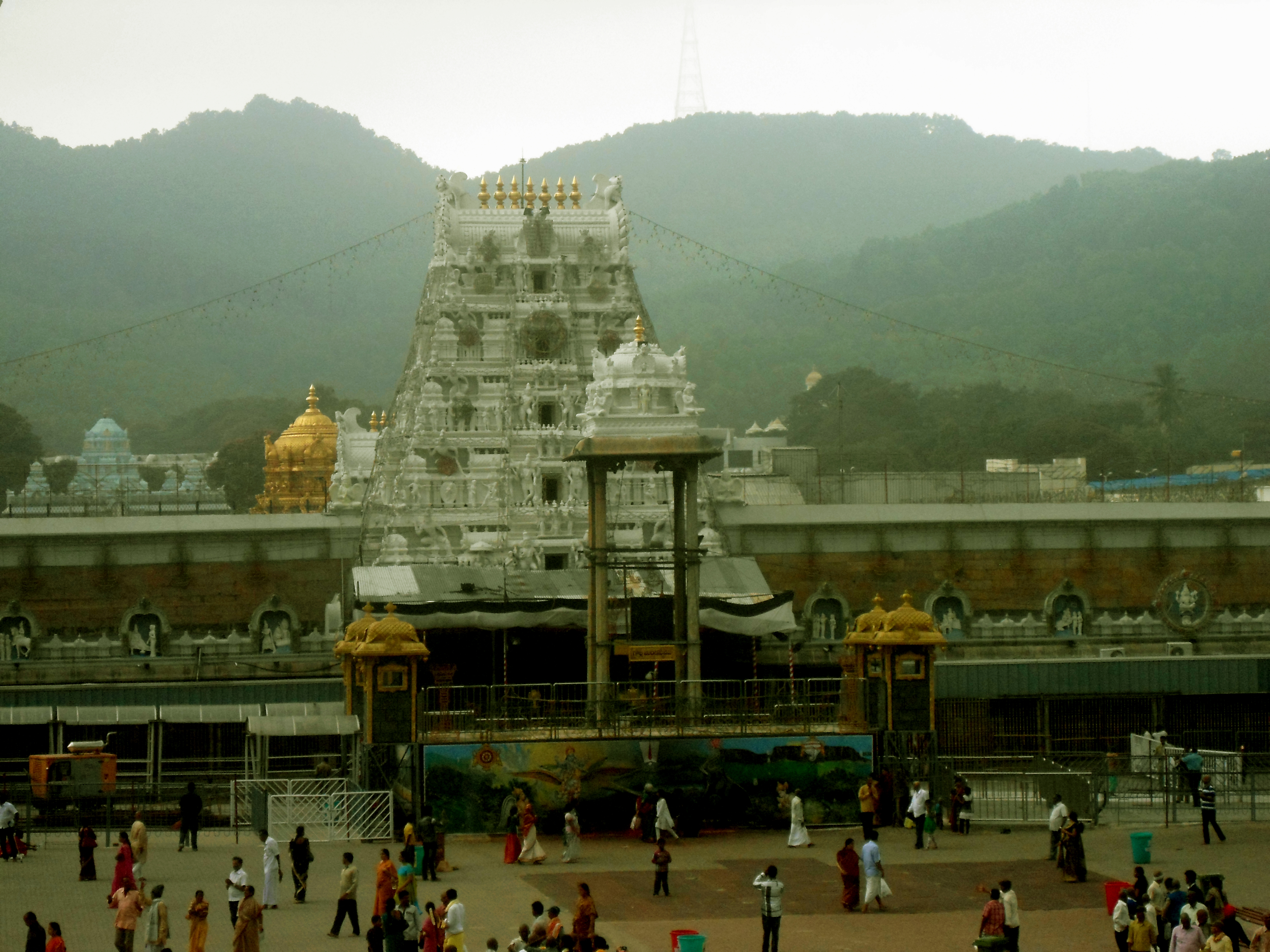
More than 1.2 million devotees shaved their heads as a religious offering at the Tirumala Venkateswara Temple in May 2024 [2].
The scale of these offerings underscores the enduring spiritual significance of the tonsuring ritual, a centuries-old act of surrender and gratitude to Lord Venkateswara.
Records indicate that 12.43 lakh individuals offered their hair over a 27-day period within the month [1]. This tradition, located in Tirupati, Andhra Pradesh, serves as a physical manifestation of faith for thousands of pilgrims who visit the site daily.
During the peak days of the month, the temple facilities managed more than 50,000 devotees per day [1]. The process of tonsuring is a central part of the temple's traditional rituals, where pilgrims relinquish their hair to symbolize the removal of ego.
Beyond the spiritual implications, the practice generates significant financial resources for the temple administration. The Tirumala Tirupati Devasthanams (TTD) earns around Rs 150 crore annually from the sale of the collected hair [2].
The massive influx of pilgrims requires extensive logistical coordination to maintain order and hygiene during the shaving process. These numbers reflect the temple's status as one of the most visited religious sites in India, attracting millions of followers who seek the deity's blessings through these traditional acts of devotion.
“12.43 lakh individuals offered their hair over a 27-day period”
The high volume of tonsuring at Tirumala illustrates the intersection of deep-seated religious tradition and large-scale institutional management. By converting a spiritual act of surrender into a consistent revenue stream, the TTD maintains a unique economic model that supports the temple's vast infrastructure and charitable activities.


