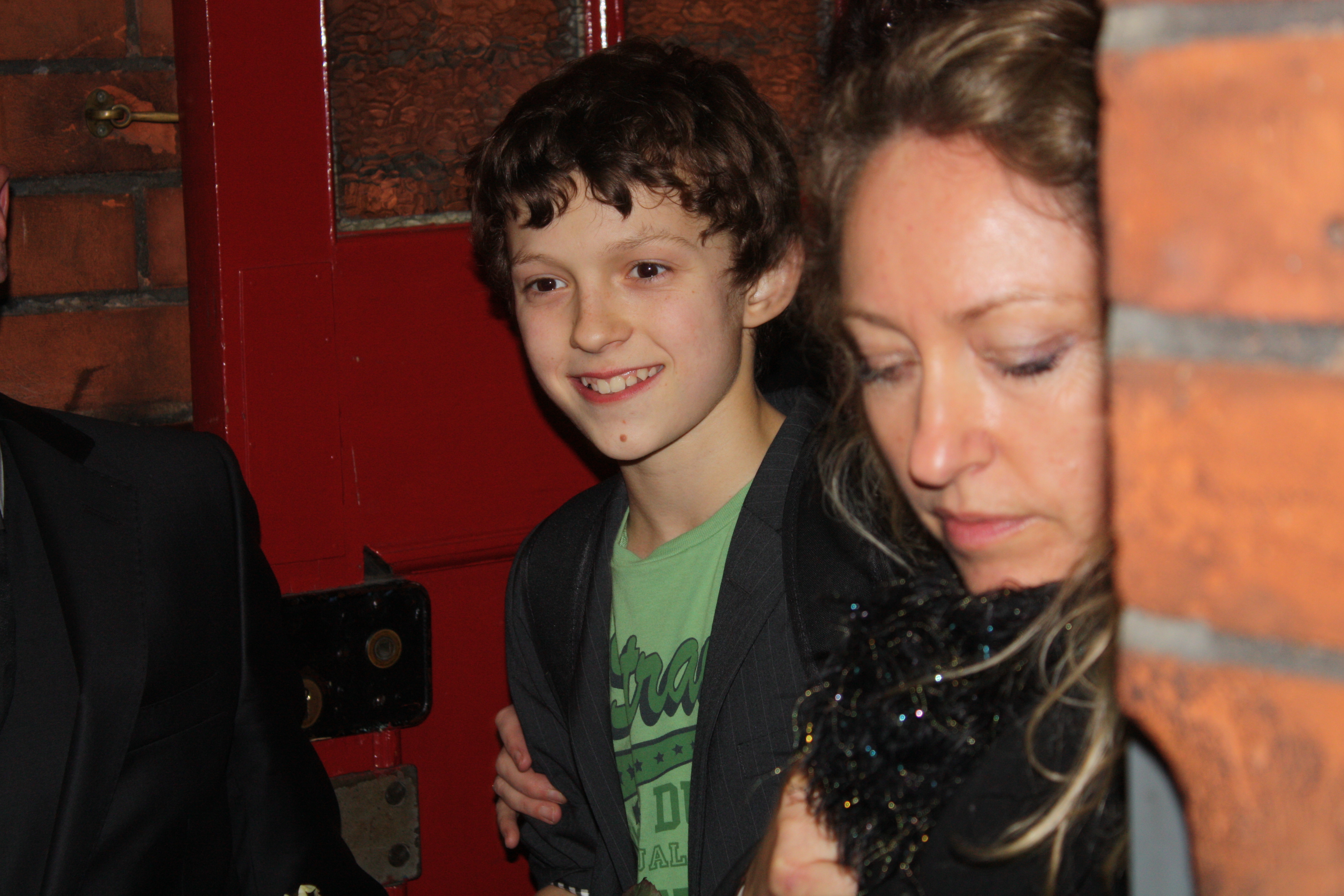
Actor Tom Holland said his biggest professional regret was stopping dance when he was 12 [1].
This admission provides a rare glimpse into the personal sacrifices of a global star, highlighting the tension between early specialization in child stardom and the pursuit of multifaceted artistic passions.
During an interview on the television show “Live with Kelly and Mark,” Holland discussed his early years in the performing arts [2]. He specifically referenced his time performing in “Billy Elliot: The Musical” on London’s West End [3]. While the role served as a springboard for his later success, Holland said he had a lingering sense of loss regarding the craft of dance.
"My biggest regret is that I stopped dancing when I was 12," Holland said [1].
Holland said that dancing was a fundamental part of his identity during his youth. He noted that he wished he could have maintained that discipline while transitioning into the film and television roles that eventually made him famous. The actor said dance was a passion he loved and a component of his persona that he wished to have preserved alongside his acting work [3].
"I wish I could have kept dancing alongside acting – it was such a huge part of who I am," Holland said [3].
The conversation took place on July 22, 2026 [2]. During the segment, Holland linked these reflections to his current projects. He said that his recent work involving rehearsals for Fred Astaire had prompted him to look back at his time as Billy Elliot [4].
"It’s funny, I’m rehearsing for Fred Astaire now and thinking back to Billy Elliot – that’s the thing I regret the most," Holland said [4].
Despite the regret, Holland's background in dance continues to inform his physical performance style in major film franchises. However, the actor remains candid about the void left by leaving the West End stage prematurely to pursue a different path in the entertainment industry.
“My biggest regret is that I stopped dancing when I was 12.”
Holland's comments reflect a broader trend of child performers grappling with the loss of diverse artistic identities in exchange for the narrow demands of global stardom. By acknowledging this regret, Holland highlights the psychological cost of the 'prodigy' pipeline, where early success in one discipline often necessitates the abandonment of others to meet the scheduling and physical demands of major studio productions.


'%2F%3E%0A%20%20%20%20%3Crect%20width%3D'1600'%20height%3D'900'%20fill%3D'url(%23v)'%2F%3E%0A%20%20%20%20%3Cg%20opacity%3D'0.08'%20fill%3D'%23ffffff'%3E%0A%20%20%20%20%20%20%3Ccircle%20cx%3D'1420'%20cy%3D'180'%20r%3D'220'%2F%3E%0A%20%20%20%20%20%20%3Ccircle%20cx%3D'1500'%20cy%3D'760'%20r%3D'120'%2F%3E%0A%20%20%20%20%3C%2Fg%3E%0A%20%20%20%20%3Cline%20x1%3D'80'%20y1%3D'172'%20x2%3D'220'%20y2%3D'172'%20stroke%3D'%23ffffff'%20stroke-width%3D'3'%20stroke-opacity%3D'0.6'%2F%3E%0A%20%20%20%20%3Ctext%20x%3D'80'%20y%3D'140'%20font-family%3D'Inter%2C%20-apple-system%2C%20Helvetica%2C%20sans-serif'%20font-weight%3D'700'%20font-size%3D'28'%20fill%3D'%23ffffff'%20letter-spacing%3D'6'%3EHANNA%20%C2%B7%20NEWS%3C%2Ftext%3E%0A%20%20%20%20%3Ctext%20x%3D'80'%20y%3D'230'%20font-family%3D'Inter%2C%20-apple-system%2C%20Helvetica%2C%20sans-serif'%20font-weight%3D'600'%20font-size%3D'40'%20fill%3D'%23ffffffb3'%20letter-spacing%3D'4'%3EENTERTAINMENT%3C%2Ftext%3E%0A%20%20%20%20%3Ctext%20x%3D'80'%20y%3D'622'%20font-family%3D'Playfair%20Display%2C%20Georgia%2C%20serif'%20font-weight%3D'800'%20font-size%3D'86'%20fill%3D'%23ffffff'%20letter-spacing%3D'-1'%3EJason%20Sudeikis%20thought%20Ted%3C%2Ftext%3E%3Ctext%20x%3D'80'%20y%3D'721'%20font-family%3D'Playfair%20Display%2C%20Georgia%2C%20serif'%20font-weight%3D'800'%20font-size%3D'86'%20fill%3D'%23ffffff'%20letter-spacing%3D'-1'%3ELasso%20ended%20after%20season%3C%2Ftext%3E%3Ctext%20x%3D'80'%20y%3D'820'%20font-family%3D'Playfair%20Display%2C%20Georgia%2C%20serif'%20font-weight%3D'800'%20font-size%3D'86'%20fill%3D'%23ffffff'%20letter-spacing%3D'-1'%3Ethree%3C%2Ftext%3E%0A%20%20%20%20%3Ctext%20x%3D'80'%20y%3D'870'%20font-family%3D'Inter%2C%20-apple-system%2C%20Helvetica%2C%20sans-serif'%20font-weight%3D'500'%20font-size%3D'22'%20fill%3D'%23ffffff66'%20letter-spacing%3D'2'%3Enews.hanna-ai.com%3C%2Ftext%3E%0A%20%20%3C%2Fsvg%3E)