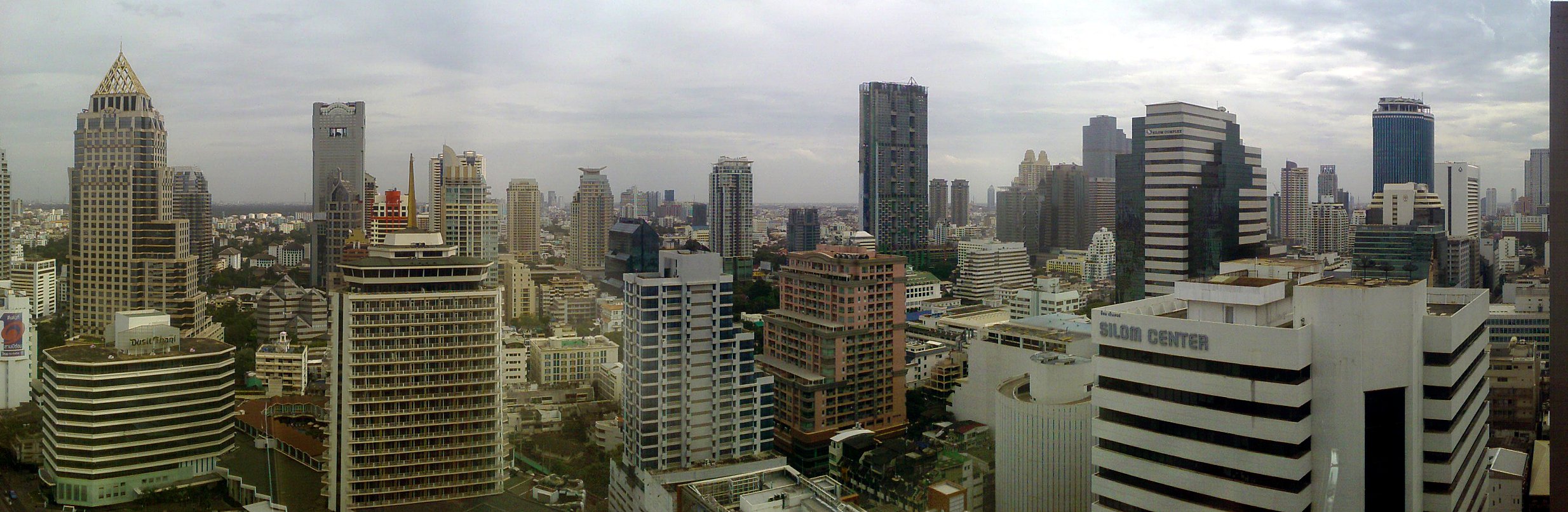
Toronto residents are employing creative methods to cope with an oppressive heat wave currently affecting the city and surrounding areas [1].
The prolonged temperature spike highlights the vulnerability of urban populations to extreme weather and the disparity in access to cooling resources.
Throughout the week, people across the Greater Toronto Area have sought ways to mitigate the sizzling heat [1]. While many have found makeshift solutions to keep their homes and bodies cool, the situation remains dire for those without reliable air conditioning or access to public cooling centers.
Some residents have turned to unconventional cooling techniques to survive the peak temperatures [1]. These efforts include utilizing fans, wet towels, and frequent visits to public spaces. However, the effectiveness of these methods varies depending on the housing conditions of the individual.
For a significant portion of the population, the heat has become an inescapable burden [1]. The lack of infrastructure in certain residential buildings means that some individuals have no easy escape from the rising temperatures [1].
City officials and community organizations continue to monitor the impact of the weather on public health. The persistence of the heat wave has increased the demand for emergency services and public cooling facilities as the city grapples with the environmental stress.
“Torontonians find creative ways to battle sizzling heat.”
The current heat wave in Toronto underscores the 'urban heat island' effect, where densely built environments trap heat more effectively than rural areas. The disparity in how residents experience this heat reveals a systemic gap in climate resilience, as those in older or lower-income housing lack the mechanical cooling necessary to prevent heat-related illness during extreme weather events.