
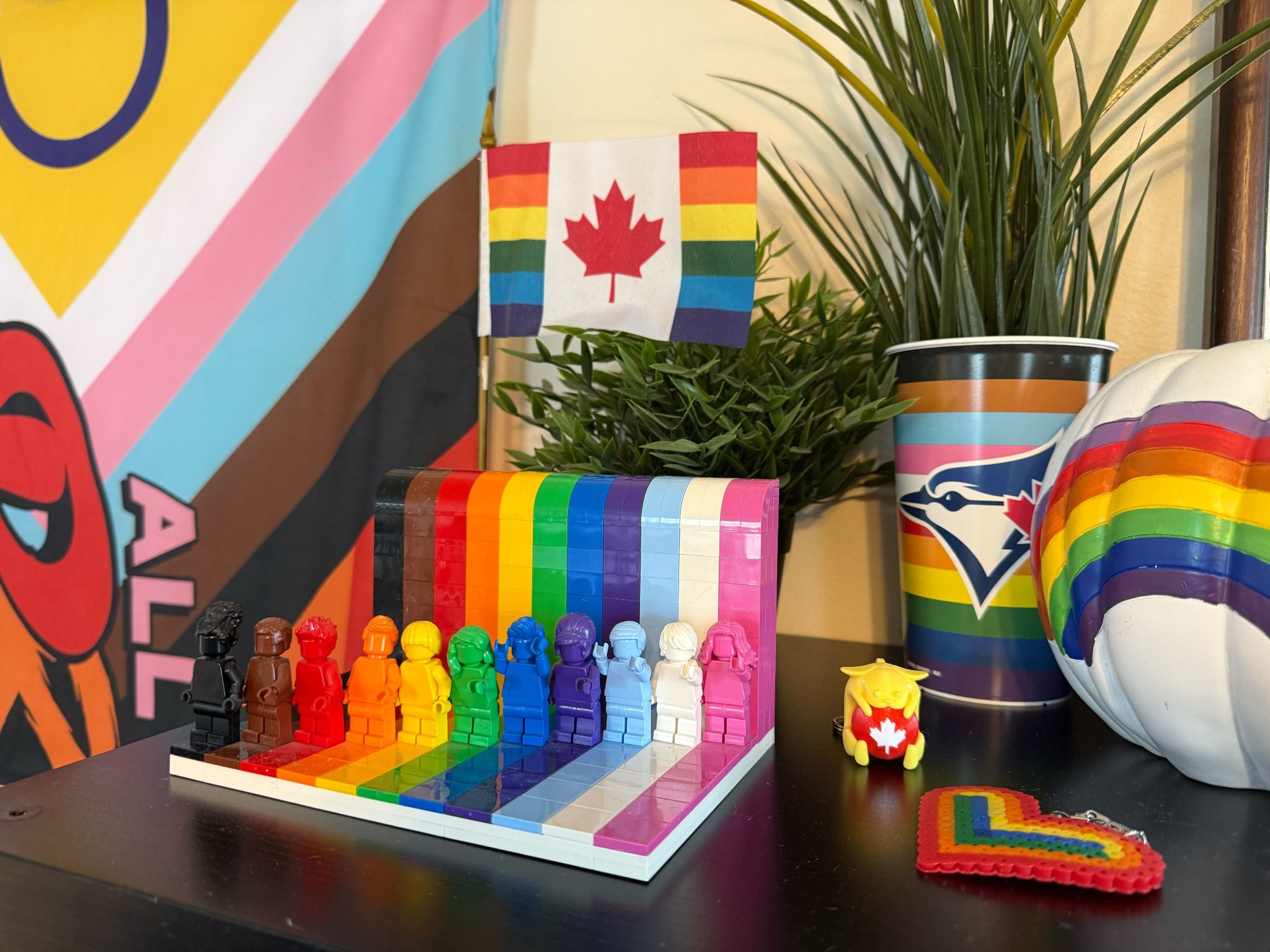
Toronto's kiki ballroom scene is expanding as a center for empowerment and self-expression for the city's queer and trans communities [1].
This growth matters because it establishes a critical support system for marginalized groups, specifically those from Black and Latino backgrounds. By creating safe spaces, the movement offers a refuge for identity celebration and community building in an urban environment [1, 2].
The scene is rooted in the legacy of New York's ballroom culture [3]. Participants organize themselves into house structures, which function as chosen families. These houses provide a framework for mentorship, where experienced members guide newcomers through the complexities of the culture and the challenges of living as a queer person [1, 3].
Competitions serve as the primary vehicle for visibility. Through these events, participants engage in artistic expression and performance that challenge traditional societal norms [1, 2]. The kiki scene differs from traditional ballroom by emphasizing a more inclusive, community-focused approach to the art form [1].
Organizers said the movement is about more than just performance. The focus remains on creating a beautiful culture that fosters resilience and belonging [2]. This environment allows members to celebrate their identities openly while receiving the emotional, and social support necessary for their well-being [1, 3].
As the scene continues to grow, it integrates various elements of Toronto's diverse LGBTQ+ landscape [1]. The expansion reflects a broader desire for intersectional spaces where race, gender, and sexuality are celebrated simultaneously rather than in isolation [2].
“Toronto's kiki ballroom scene is expanding as a center for empowerment and self-expression.”
The growth of the kiki ballroom scene in Toronto signifies a shift toward intersectional community care. By adapting New York's historical house system, the community is creating a formalized social safety net that addresses the specific isolation felt by Black and Latino LGBTQ+ individuals, blending cultural preservation with modern mental health and social support.


'%2F%3E%0A%20%20%20%20%3Crect%20width%3D'1600'%20height%3D'900'%20fill%3D'url(%23v)'%2F%3E%0A%20%20%20%20%3Cg%20opacity%3D'0.08'%20fill%3D'%23ffffff'%3E%0A%20%20%20%20%20%20%3Ccircle%20cx%3D'1420'%20cy%3D'180'%20r%3D'220'%2F%3E%0A%20%20%20%20%20%20%3Ccircle%20cx%3D'1500'%20cy%3D'760'%20r%3D'120'%2F%3E%0A%20%20%20%20%3C%2Fg%3E%0A%20%20%20%20%3Cline%20x1%3D'80'%20y1%3D'172'%20x2%3D'220'%20y2%3D'172'%20stroke%3D'%23ffffff'%20stroke-width%3D'3'%20stroke-opacity%3D'0.6'%2F%3E%0A%20%20%20%20%3Ctext%20x%3D'80'%20y%3D'140'%20font-family%3D'Inter%2C%20-apple-system%2C%20Helvetica%2C%20sans-serif'%20font-weight%3D'700'%20font-size%3D'28'%20fill%3D'%23ffffff'%20letter-spacing%3D'6'%3EHANNA%20%C2%B7%20NEWS%3C%2Ftext%3E%0A%20%20%20%20%3Ctext%20x%3D'80'%20y%3D'230'%20font-family%3D'Inter%2C%20-apple-system%2C%20Helvetica%2C%20sans-serif'%20font-weight%3D'600'%20font-size%3D'40'%20fill%3D'%23ffffffb3'%20letter-spacing%3D'4'%3EWORLD%3C%2Ftext%3E%0A%20%20%20%20%3Ctext%20x%3D'80'%20y%3D'694'%20font-family%3D'Playfair%20Display%2C%20Georgia%2C%20serif'%20font-weight%3D'800'%20font-size%3D'110'%20fill%3D'%23ffffff'%20letter-spacing%3D'-1'%3ECanadian%20Youth%20Face%20Toughest%3C%2Ftext%3E%3Ctext%20x%3D'80'%20y%3D'820'%20font-family%3D'Playfair%20Display%2C%20Georgia%2C%20serif'%20font-weight%3D'800'%20font-size%3D'110'%20fill%3D'%23ffffff'%20letter-spacing%3D'-1'%3ESummer%20Job%20Market%20in%20Decades%3C%2Ftext%3E%0A%20%20%20%20%3Ctext%20x%3D'80'%20y%3D'870'%20font-family%3D'Inter%2C%20-apple-system%2C%20Helvetica%2C%20sans-serif'%20font-weight%3D'500'%20font-size%3D'22'%20fill%3D'%23ffffff66'%20letter-spacing%3D'2'%3Enews.hanna-ai.com%3C%2Ftext%3E%0A%20%20%3C%2Fsvg%3E)