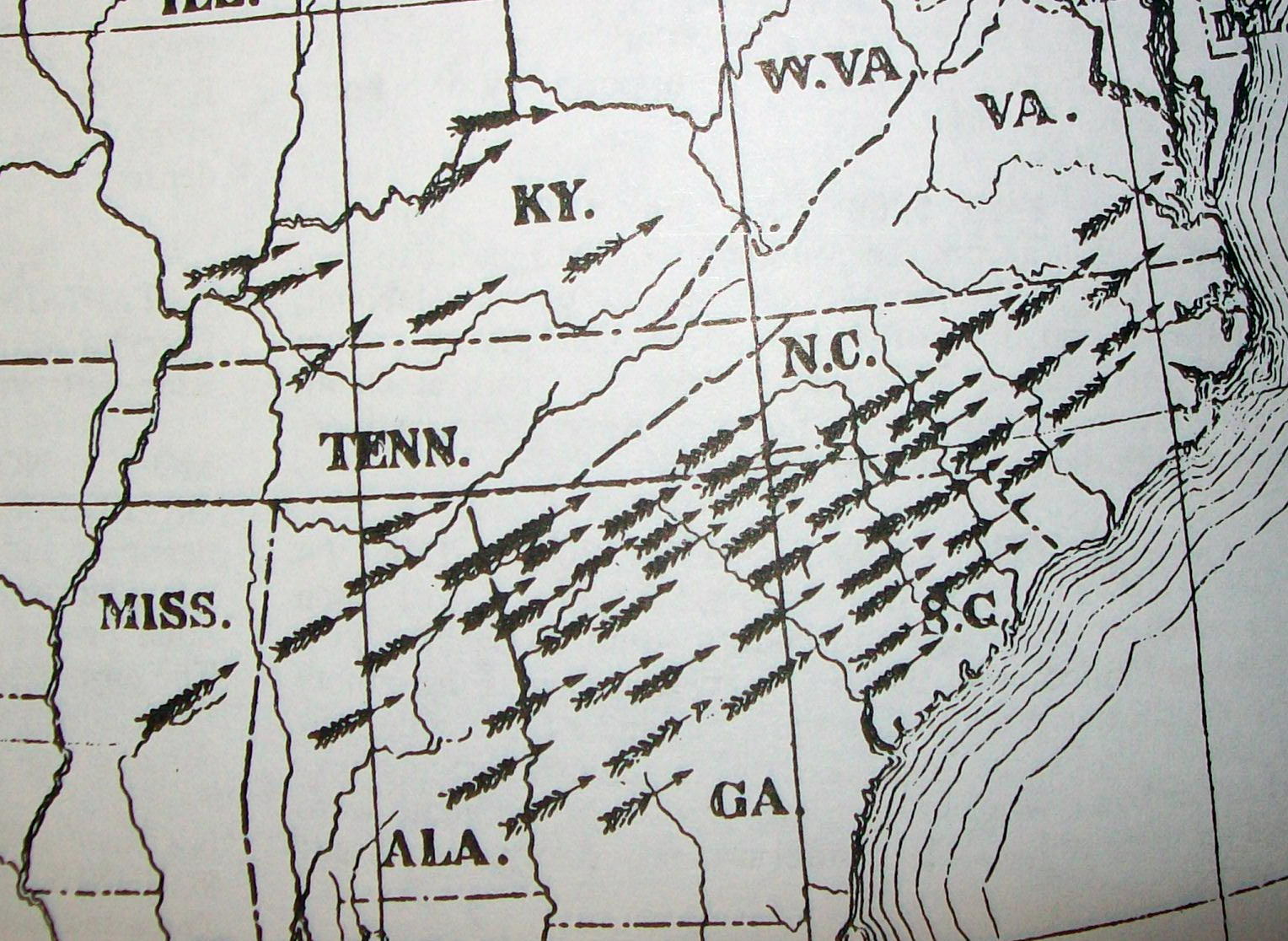
Tropical Storm Bertha formed on Monday, July 21, 2026, and is currently positioned over the northeastern Gulf Coast [1].
Though the storm's center may not make a direct hit on the East Coast, its presence creates a significant weather risk for millions of residents. The system is expected to channel vast amounts of moisture across the U.S., potentially triggering severe weather events far from the storm's eye.
Meteorologists said Bertha is expected to remain in the Gulf of Mexico [2]. However, the moisture fueling the storm is projected to move inland and fuel repeated rounds of heavy rain and flash flooding [2]. These impacts are expected to stretch from the Carolinas through Virginia [2].
The potential for life-threatening conditions has led to widespread warnings. Millions of people were advised to brace for these hazardous conditions as the storm progresses [3]. Local authorities in the northern Gulf Coast said they are monitoring the system as it moves toward Alabama and the Florida panhandle [4].
Emergency management officials said they continue to track the storm's trajectory to determine if evacuation orders or flood warnings will be necessary for the affected Atlantic states. The interaction between the Gulf moisture and East Coast atmospheric conditions often leads to unpredictable rainfall totals, a factor that increases the risk of sudden flash floods in urban and rural areas alike.
Residents in the projected path are encouraged to monitor local weather updates and prepare emergency kits. The storm's ability to influence weather patterns across multiple states highlights the reach of tropical systems even when they do not make a formal landfall in the affected region [2].
“Millions of people were advised to brace for life‑threatening conditions”
This scenario demonstrates a 'remote impact' weather event, where a tropical system's influence extends far beyond its physical location. By acting as a moisture pump for the East Coast, Bertha can cause significant inland flooding in the Carolinas and Virginia without ever leaving the Gulf of Mexico, complicating emergency preparations and public warnings.


