President Donald Trump signed an order on Thursday, April 30, 2026, authorizing the construction of the Bridger Pipeline from Canada to Wyoming [1].
The project represents a significant shift in North American energy infrastructure by expanding the capacity for crude oil to move across the border. This authorization aims to strengthen the energy partnership between the two nations and increase the volume of oil entering the U.S. market.
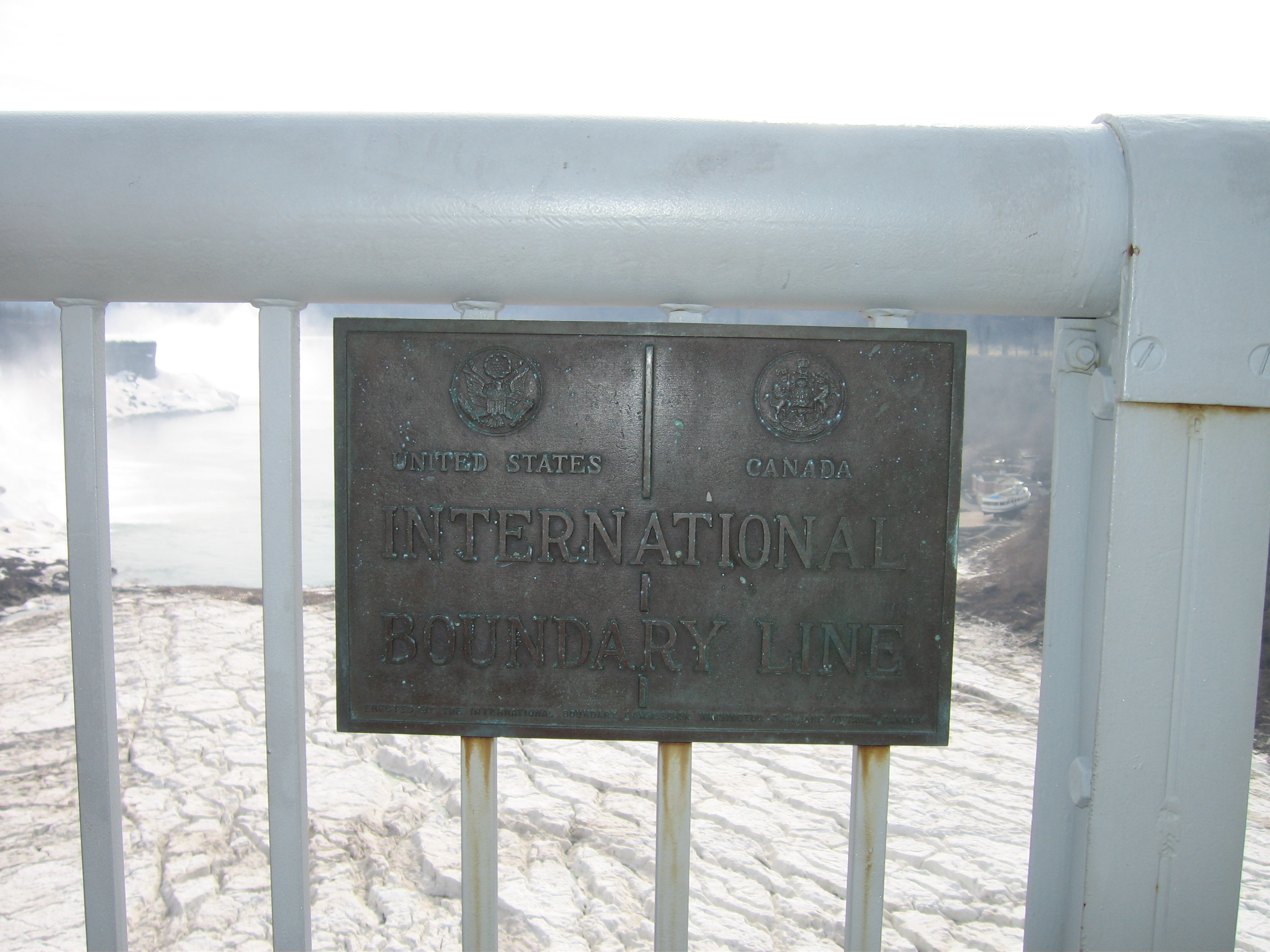
The Bridger Pipeline will stretch from the Canada-U.S. border directly into Wyoming [2]. According to official projections, the new infrastructure has the potential to increase Canada-U.S. oil exports by up to one million barrels per day [3].
Canadian officials reacted positively to the decision. Danielle Smith said, "It's incredible to see U.S. President Donald Trump authorise a new pipeline from Canada to Wyoming" [1].
The move comes as part of a broader effort to streamline energy transport and reduce reliance on disparate shipping methods. By creating a direct corridor to Wyoming, the pipeline provides a more efficient route for Canadian crude to reach refineries and distribution hubs within the U.S. interior.
Infrastructure projects of this scale often face regulatory hurdles, but the presidential order accelerates the authorization process for the Bridger project [2]. The pipeline is expected to play a central role in the regional economy by stabilizing the flow of crude oil and supporting energy independence for the United States.
“The Bridger Pipeline will stretch from the Canada-U.S. border directly into Wyoming.”
The authorization of the Bridger Pipeline signals a prioritization of fossil fuel infrastructure and bilateral energy integration. By potentially adding one million barrels per day to the supply chain, the project reduces the logistical bottlenecks associated with Canadian oil exports and increases the U.S. domestic supply of crude, which may influence regional energy prices and geopolitical dependence on non-North American oil sources.
![Contains modified Copernicus Sentinel data [2022], processed by <a href="https://twitter.com/Pierre_Markuse" rel="noreferrer nofollow">Pierre Markuse</a> Mount Etna with a little lava flow](https://upload.wikimedia.org/wikipedia/commons/f/f0/Mount_Etna_with_a_little_lava_flow%2C_Sicily%2C_Italy_-_28_Nov_2022_%2852530310324%29.jpg)

