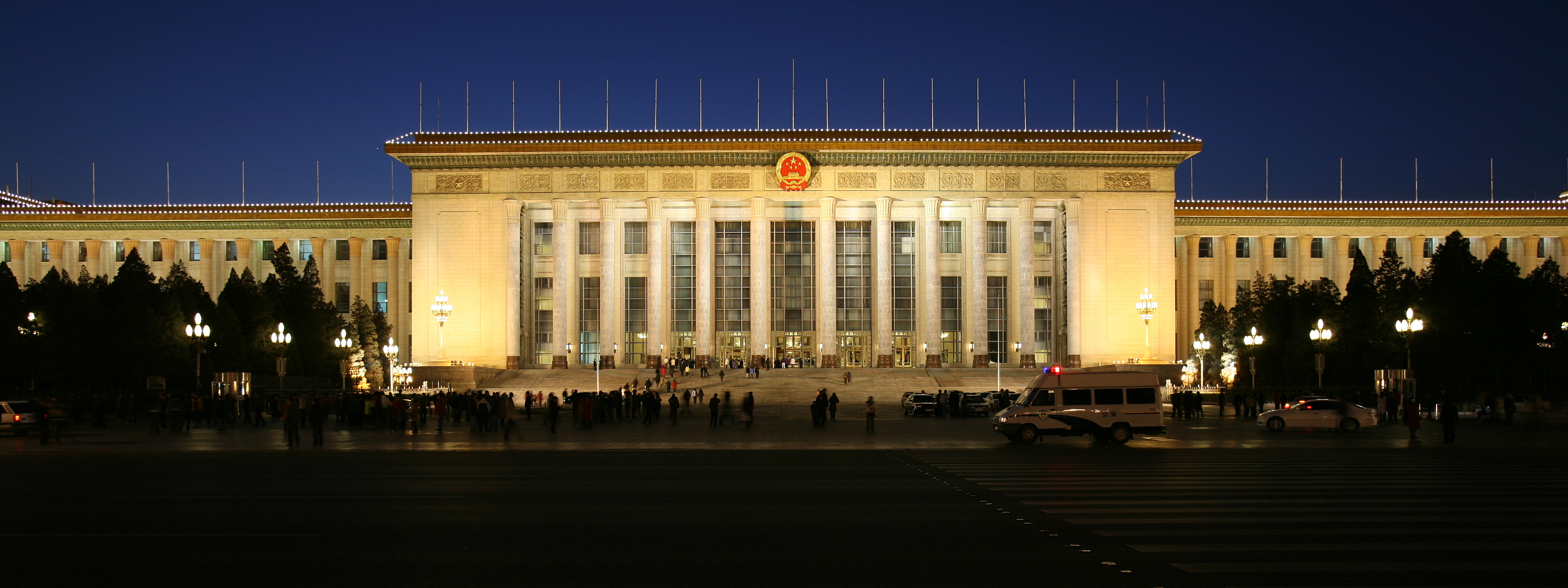
President Donald Trump arrived in Beijing on Wednesday, May 13, 2026 [1], for a state visit and high-stakes meetings with Chinese President Xi Jinping [1].
This visit occurs as both nations attempt to stabilize a volatile relationship. The talks aim to address systemic competition in trade and technology, the ongoing war in Iran, and disputes regarding Taiwan [2, 3].
Trump traveled to China with a delegation that included more than 10 U.S. business leaders [4]. The inclusion of these executives suggests a focus on economic ties and the potential for new trade agreements amid existing tensions.
"Our meeting in Beijing will be very special," Trump said [5].
The agenda for the visit is broad, covering several points of friction that have defined the bilateral relationship. Officials from both sides seek to manage the competition over advanced technology and the strategic interests of both superpowers in the Asia-Pacific region [2, 3].
Beijing has prepared for the arrival as the two leaders seek a path toward stability. The discussions are expected to touch upon the security implications of the war in Iran and the delicate status of Taiwan, both of which remain critical points of contention [2, 3].
“"Our meeting in Beijing will be very special."”
The presence of a large business delegation alongside a state visit indicates a dual-track strategy: attempting to resolve geopolitical security crises while simultaneously leveraging economic interests to prevent further escalation. The focus on the war in Iran and Taiwan suggests that the U.S. is seeking a coordinated approach or at least a stable baseline of communication to avoid direct conflict between the two largest economies.


