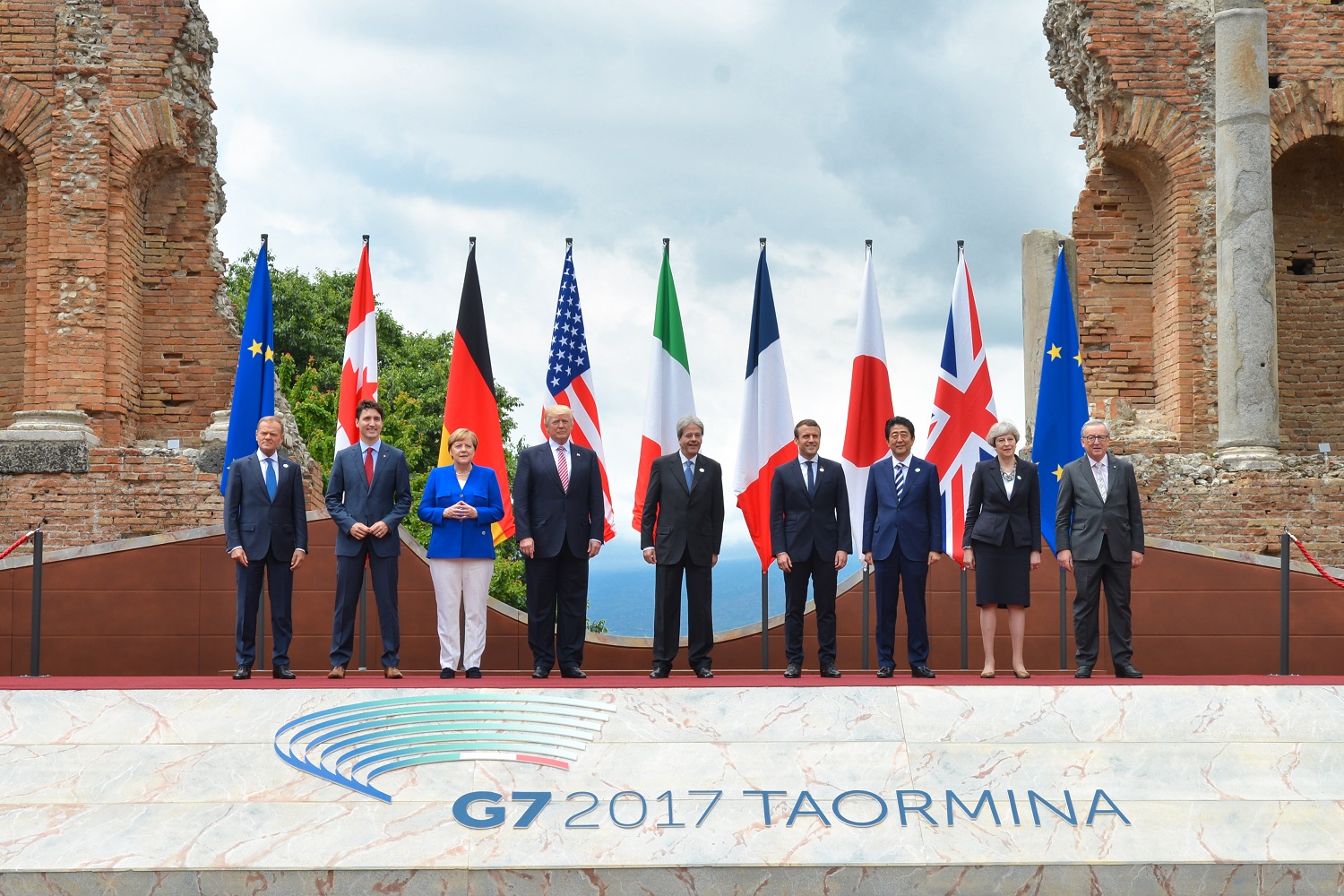
U.S. President Donald Trump leaned toward French First Lady Brigitte Macron during a greeting at the June 2024 G7 summit in Italy [1].
The interaction has drawn scrutiny because the perceived tone of personal diplomacy between leaders often reflects the broader state of U.S.–France relations. Observers are now debating whether the encounter was a breach of etiquette or a standard diplomatic gesture.
The incident occurred during the summit held from June 13 to 15, 2024, in Apulia, Italy [1]. Footage of the exchange shows President Trump moving toward Brigitte Macron while French President Emmanuel Macron watched the interaction [1].
Reports on the nature of the physical contact vary. Some observers said the moment was an attempt by Trump to initiate a second kiss, noting that Brigitte Macron appeared to pull away [1]. Other accounts said the interaction was a handshake that lasted 15 seconds [2].
Because the event was captured on camera, the footage has led to widespread online speculation. The discrepancy between reports of a kiss and a prolonged handshake highlights the different interpretations of the same visual evidence, a common occurrence in high-profile diplomatic summits where body language is heavily analyzed.
President Emmanuel Macron remained present during the exchange as the two leaders and the First Lady navigated the greeting [1]. The G7 summit served as a primary venue for these leaders to discuss international policy, though the focus of some media coverage shifted toward these brief personal interactions.
“Trump leaned toward French First Lady Brigitte Macron during a greeting at the June 2024 G7 summit”
The conflicting interpretations of this interaction underscore how small diplomatic gestures can be magnified into larger narratives about international relations. When high-trust sources disagree on a physical action — such as whether a gesture was a kiss or a handshake — it demonstrates the volatility of visual analysis in political reporting and the tendency for observers to project existing tensions onto diplomatic body language.


