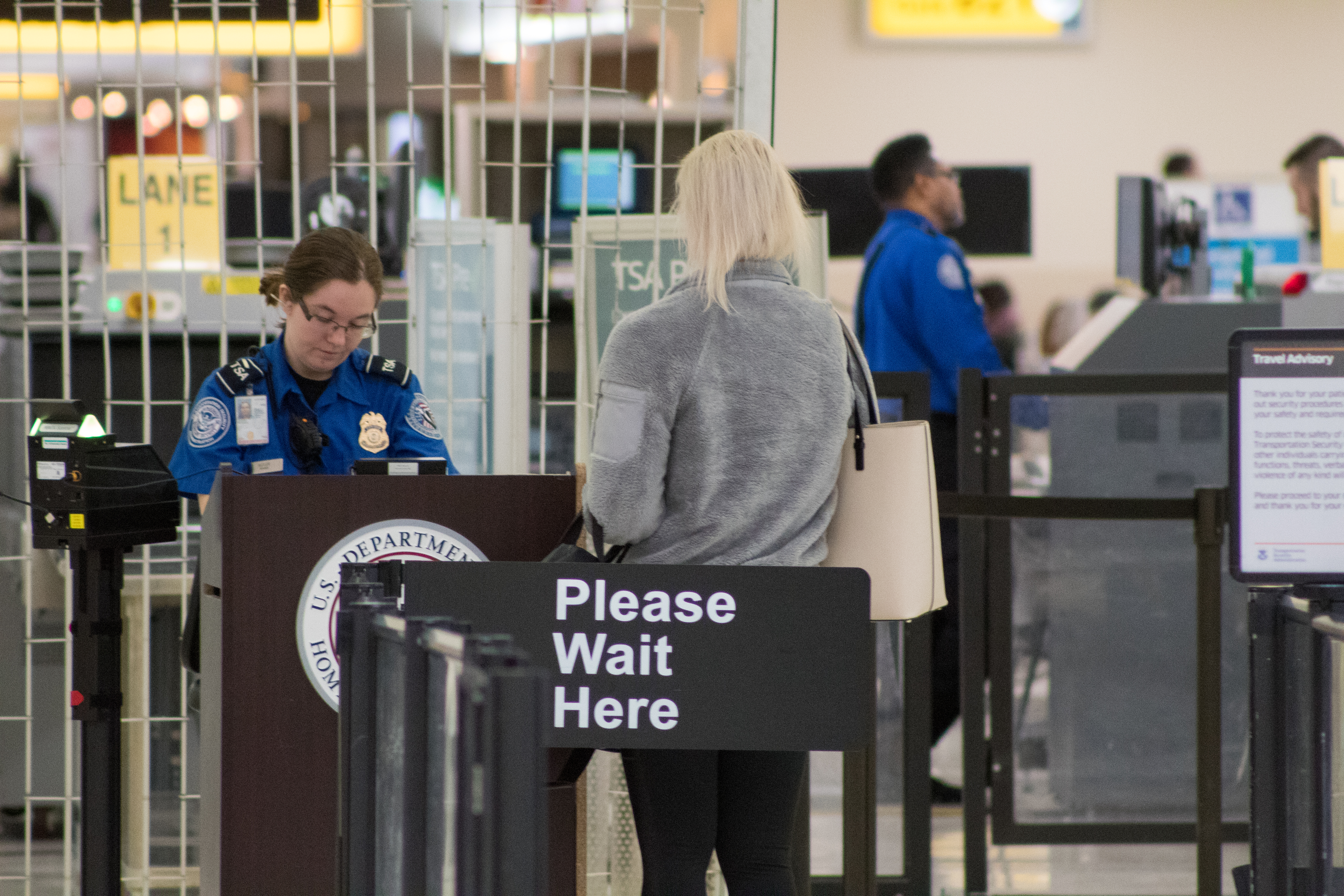
***President Donald Trump announced a proposal in the 2027 federal budget to privatize Transportation Security Administration airport screening, shifting the task to private contractors*** [1][2]. The plan, released on Friday, April 4, 2026, would apply to airports across the U.S., including San Francisco International Airport [1][4].
The shift matters because long security lines have become a frequent source of traveler frustration, and lawmakers argue that any change to the screening process could affect both passenger experience and national security [1][4]. Proponents said private firms could bring faster technology and staffing flexibility, while critics said the move could repeat security lapses that occurred before the September 11 attacks.
The budget text calls for the Department of Homeland Security to contract out screening duties to companies that meet performance standards set by the agency [2][3]. Administration officials said the change aims to reduce wait times and cut operating costs, arguing that competition will drive efficiency [2].
Supporters, including some airline executives, said privatization could slash wait times, pointing to crowded terminals where lines sometimes snake into baggage claim areas [4]. They argue that private operators can adjust staffing levels more quickly than a federal agency, potentially eliminating the chronic delays that have plagued many hubs.
Opponents, led by the American Federation of Government Employees (AFGE), said the proposal would undermine security and repeat failures that existed before 2001. An AFGE spokesperson said privatization would erode the rigorous training and oversight that the TSA provides [5]. Union leaders said it would repeat pre‑9/11 security failures, a concern echoed by former TSA officials.
Historical data cited by the union show that TSA workers were paid as low as $six an hour before 9/11 and that employee turnover exceeded 100 % per year at most large airports during that era [2]. Those figures highlight longstanding staffing challenges that critics say could worsen under a private‑sector model.
If implemented, the shift could reshape security operations at major hubs such as San Francisco International, where private contractors might manage checkpoints—potentially altering the traveler experience and the oversight structure that currently governs screening [1], a change that would require new contracts, training programs, and oversight mechanisms.
**What this means**: The proposal sets up a clash between efficiency arguments and security concerns that will likely play out in Congress and before labor groups. Should the budget pass, the TSA could see a fundamental restructuring of its workforce, while airports may face a transition period as private firms assume screening duties. The outcome will hinge on how policymakers balance cost savings with the imperative to protect the traveling public.
“Privatizing screening could slash wait times, supporters say.”
If Congress approves the budget, the TSA may transition to a contractor‑run model, prompting a reevaluation of security protocols and labor contracts while testing whether private management can deliver faster service without compromising safety.