President Donald Trump said the United States would end up like the Spanish enclave of Ceuta if Democrats win the upcoming election [1].
The comparison links U.S. domestic immigration policy to a specific international flashpoint, suggesting that Democratic governance would trigger a systemic collapse of border control.
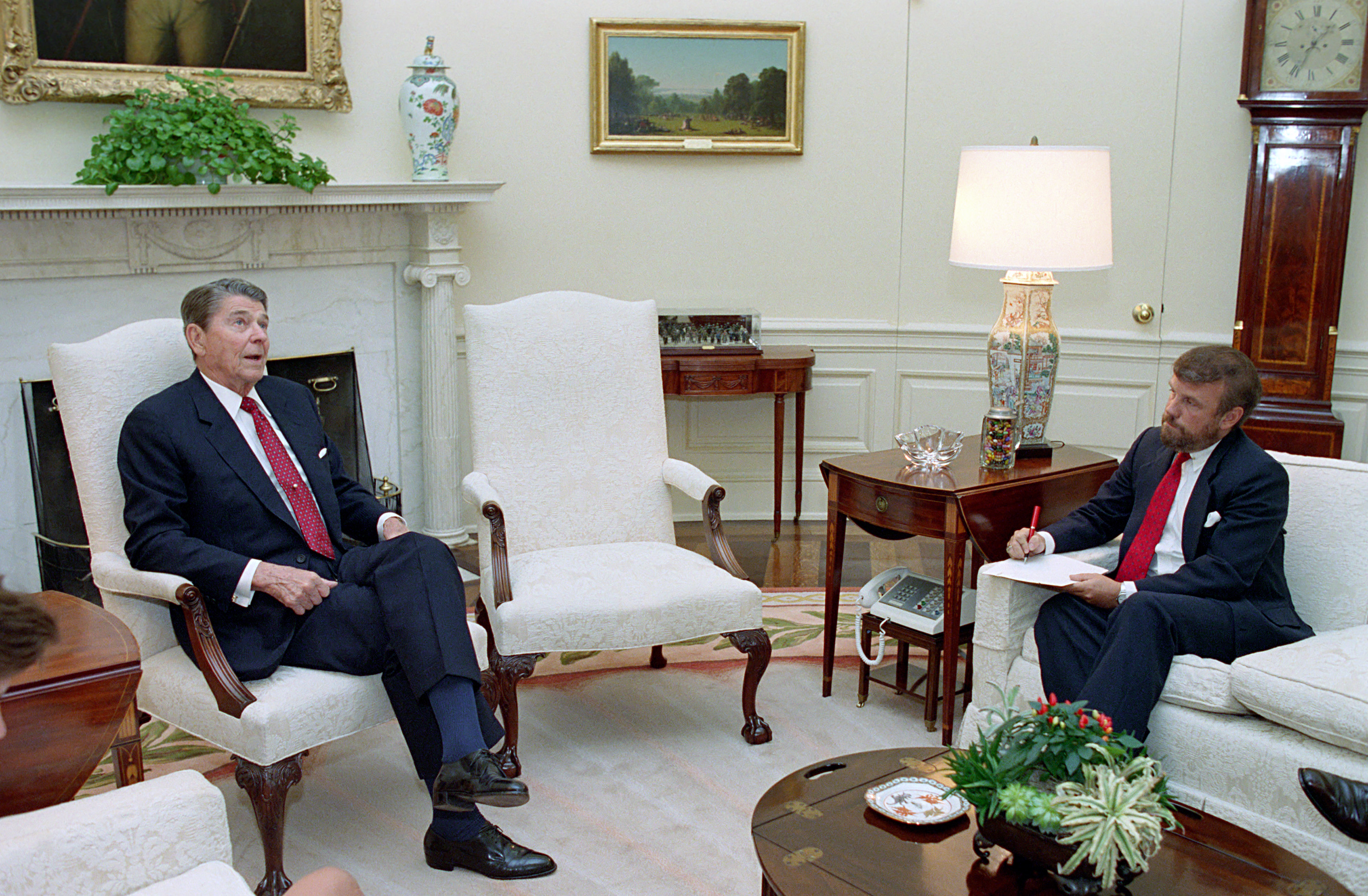
Speaking from the Oval Office of the White House on July 31, 2026, Trump said the current situation in Ceuta is "terrible" [3]. He said the U.S. would mirror the migration crisis seen in that Spanish territory if his political opponents return to power [1].
Trump specifically projected a timeline for this decline, saying the U.S. would be in that state within three years [5]. The president used the Spanish enclave as a cautionary example to criticize Democratic immigration policies and influence the debate surrounding the mid-term elections [1, 2].
"If they come to power, nobody will live well," Trump said [1].
Ceuta, a Spanish autonomous city on the north coast of Africa, has frequently been the site of mass migration attempts and diplomatic tension between Spain and Morocco. Trump's remarks align these regional European struggles with the political stakes of the U.S. electoral cycle [3, 4].
He said that the current trajectory under a Democratic administration would lead to an unsustainable environment for citizens [1]. The president's comments focus on the perceived failure of liberal migration strategies to maintain national sovereignty and order [2].
“"If they come to power, nobody will live well"”
By invoking Ceuta, Trump is attempting to frame immigration not merely as a policy disagreement, but as an existential threat to national stability. This rhetorical strategy shifts the focus from domestic legislative debates to a visual of geopolitical instability, aiming to heighten voter anxiety regarding border security ahead of the mid-term elections.


