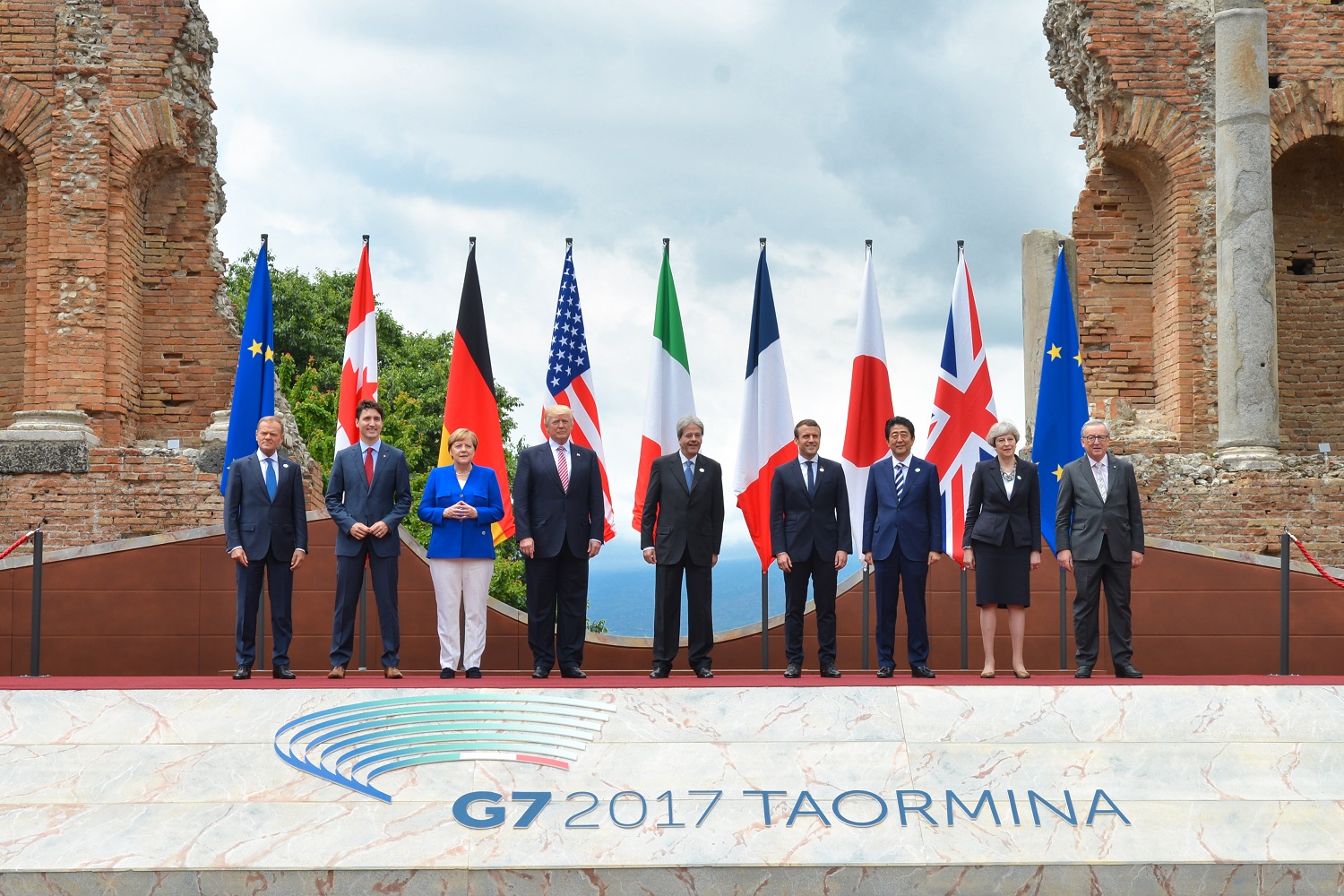
President Donald Trump said the memorandum of understanding with Iran is now final during a joint press conference at the G7 summit [1].
These statements signal a shift in U.S. diplomatic strategy toward two of the most volatile regions in the world. By aligning with Egypt on water rights and issuing a firm ultimatum to Tehran, the administration is asserting a more aggressive posture on regional stability.
Trump spoke alongside Egyptian President Abdel Fattah al-Sisi in Italy, where he addressed the status of negotiations with the Iranian government. "The memorandum of understanding with Iran is now final," Trump said [1]. However, the president cautioned that the U.S. would not tolerate a breach of the agreement, suggesting a possible military option if Iran backs out of the deal.
This stance follows previous comments regarding the pace of negotiations. Trump previously said, "I will not sign a bad deal with Iran and the time is on our side" [2]. The current declaration of a final memorandum suggests a transition from negotiation to enforcement.
Beyond Iran, the U.S. president addressed the ongoing tension between Egypt and Ethiopia over the Grand Ethiopian Renaissance Dam. Trump voiced support for Cairo's position and criticized the way Ethiopia has managed the dispute.
"We stand with Egypt on the Grand Ethiopian Renaissance Dam and criticize Ethiopia’s approach," Trump said [1]. The dispute centers on the flow of the Nile River, a critical water source for Egypt's agriculture, and drinking water.
By criticizing Ethiopia's handling of the project, the U.S. administration is reinforcing its strategic partnership with Egypt. This alignment suggests that the U.S. may use diplomatic or economic pressure to ensure Ethiopia reaches an agreement that satisfies Egyptian concerns regarding water security.
“"The memorandum of understanding with Iran is now final."”
The administration's dual approach combines a 'maximum pressure' ultimatum for Iran with a strategic alliance in North Africa. By declaring the Iran MOU final while maintaining a military threat, the US seeks to lock in concessions without appearing weak. Simultaneously, backing Egypt against Ethiopia's dam project positions the US as a guarantor of Egyptian national security, potentially isolating Ethiopia in its pursuit of hydroelectric dominance.