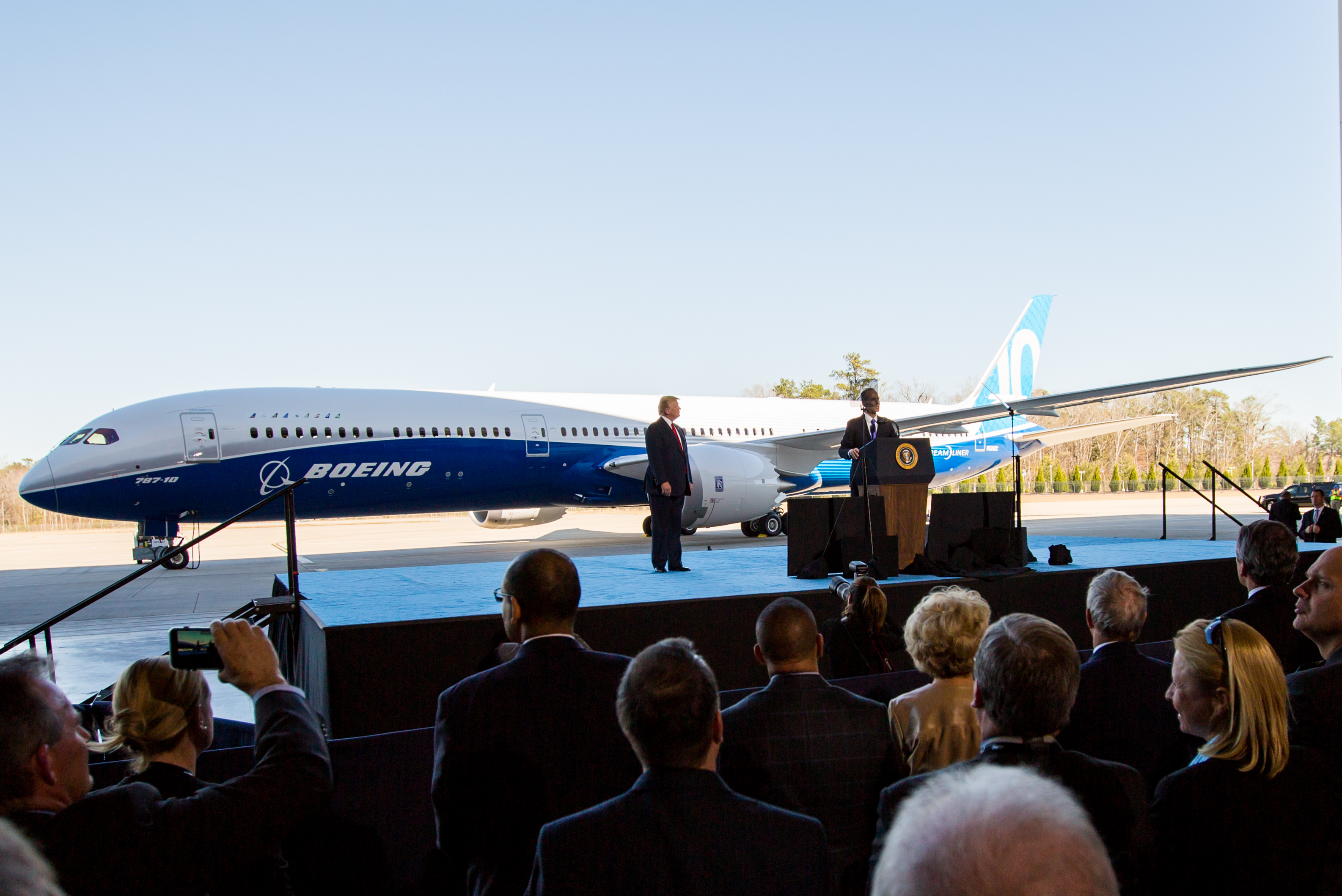
President Donald Trump endorsed Darline Graham to finish the Senate term of her brother, Lindsey Graham, in South Carolina [1, 3].
This move signals an effort by the administration to maintain specific political influence within the state's representation. By backing a family member of a long-term ally, Trump said he aims to secure a predictable transition of power in the U.S. Senate [2, 3].
The endorsement occurred alongside the promotion of an upcoming IndyCar race, which the president used as a platform to showcase his current agenda [2]. The event served as a backdrop for both the political announcement and broader administrative priorities [2].
While domestic political maneuvering continues, international tensions have escalated in the Middle East. A dispute over tolls in the Strait of Hormuz has reignited conflict with Iran [2]. The disagreement centers on the collection of revenue from the strategic waterway, which is critical for global energy transport [2].
The situation in the Strait of Hormuz represents a significant flashpoint in foreign policy. The administration's stance on these tolls has increased friction with Iranian authorities, reviving long-standing disputes over maritime sovereignty, and economic access [2].
In South Carolina, the endorsement of Darline Graham places her as the preferred successor to carry on the legacy of the seat [3]. The appointment process for the remainder of the term will now be viewed through the lens of this presidential preference [1, 3].
“Trump endorsed Darline Graham to finish the Senate term of her brother, Lindsey Graham.”
The simultaneous focus on a strategic Senate appointment and a maritime dispute in the Strait of Hormuz highlights a dual-track strategy of consolidating domestic political loyalty while maintaining a hardline stance on international trade routes. The endorsement of Darline Graham suggests a preference for continuity and personal loyalty over a traditional open primary or appointment process.


'%2F%3E%0A%20%20%20%20%3Crect%20width%3D'1600'%20height%3D'900'%20fill%3D'url(%23v)'%2F%3E%0A%20%20%20%20%3Cg%20opacity%3D'0.08'%20fill%3D'%23ffffff'%3E%0A%20%20%20%20%20%20%3Ccircle%20cx%3D'1420'%20cy%3D'180'%20r%3D'220'%2F%3E%0A%20%20%20%20%20%20%3Ccircle%20cx%3D'1500'%20cy%3D'760'%20r%3D'120'%2F%3E%0A%20%20%20%20%3C%2Fg%3E%0A%20%20%20%20%3Cline%20x1%3D'80'%20y1%3D'172'%20x2%3D'220'%20y2%3D'172'%20stroke%3D'%23ffffff'%20stroke-width%3D'3'%20stroke-opacity%3D'0.6'%2F%3E%0A%20%20%20%20%3Ctext%20x%3D'80'%20y%3D'140'%20font-family%3D'Inter%2C%20-apple-system%2C%20Helvetica%2C%20sans-serif'%20font-weight%3D'700'%20font-size%3D'28'%20fill%3D'%23ffffff'%20letter-spacing%3D'6'%3EHANNA%20%C2%B7%20NEWS%3C%2Ftext%3E%0A%20%20%20%20%3Ctext%20x%3D'80'%20y%3D'230'%20font-family%3D'Inter%2C%20-apple-system%2C%20Helvetica%2C%20sans-serif'%20font-weight%3D'600'%20font-size%3D'40'%20fill%3D'%23ffffffb3'%20letter-spacing%3D'4'%3ECULTURE%3C%2Ftext%3E%0A%20%20%20%20%3Ctext%20x%3D'80'%20y%3D'622'%20font-family%3D'Playfair%20Display%2C%20Georgia%2C%20serif'%20font-weight%3D'800'%20font-size%3D'86'%20fill%3D'%23ffffff'%20letter-spacing%3D'-1'%3ENew%20Song%20%26apos%3BMaine%20Dil%3C%2Ftext%3E%3Ctext%20x%3D'80'%20y%3D'721'%20font-family%3D'Playfair%20Display%2C%20Georgia%2C%20serif'%20font-weight%3D'800'%20font-size%3D'86'%20fill%3D'%23ffffff'%20letter-spacing%3D'-1'%3ETujhko%20Diya%26apos%3B%20Released%3C%2Ftext%3E%3Ctext%20x%3D'80'%20y%3D'820'%20font-family%3D'Playfair%20Display%2C%20Georgia%2C%20serif'%20font-weight%3D'800'%20font-size%3D'86'%20fill%3D'%23ffffff'%20letter-spacing%3D'-1'%3Efor%20Bollywood%20Film%3C%2Ftext%3E%0A%20%20%20%20%3Ctext%20x%3D'80'%20y%3D'870'%20font-family%3D'Inter%2C%20-apple-system%2C%20Helvetica%2C%20sans-serif'%20font-weight%3D'500'%20font-size%3D'22'%20fill%3D'%23ffffff66'%20letter-spacing%3D'2'%3Enews.hanna-ai.com%3C%2Ftext%3E%0A%20%20%3C%2Fsvg%3E)