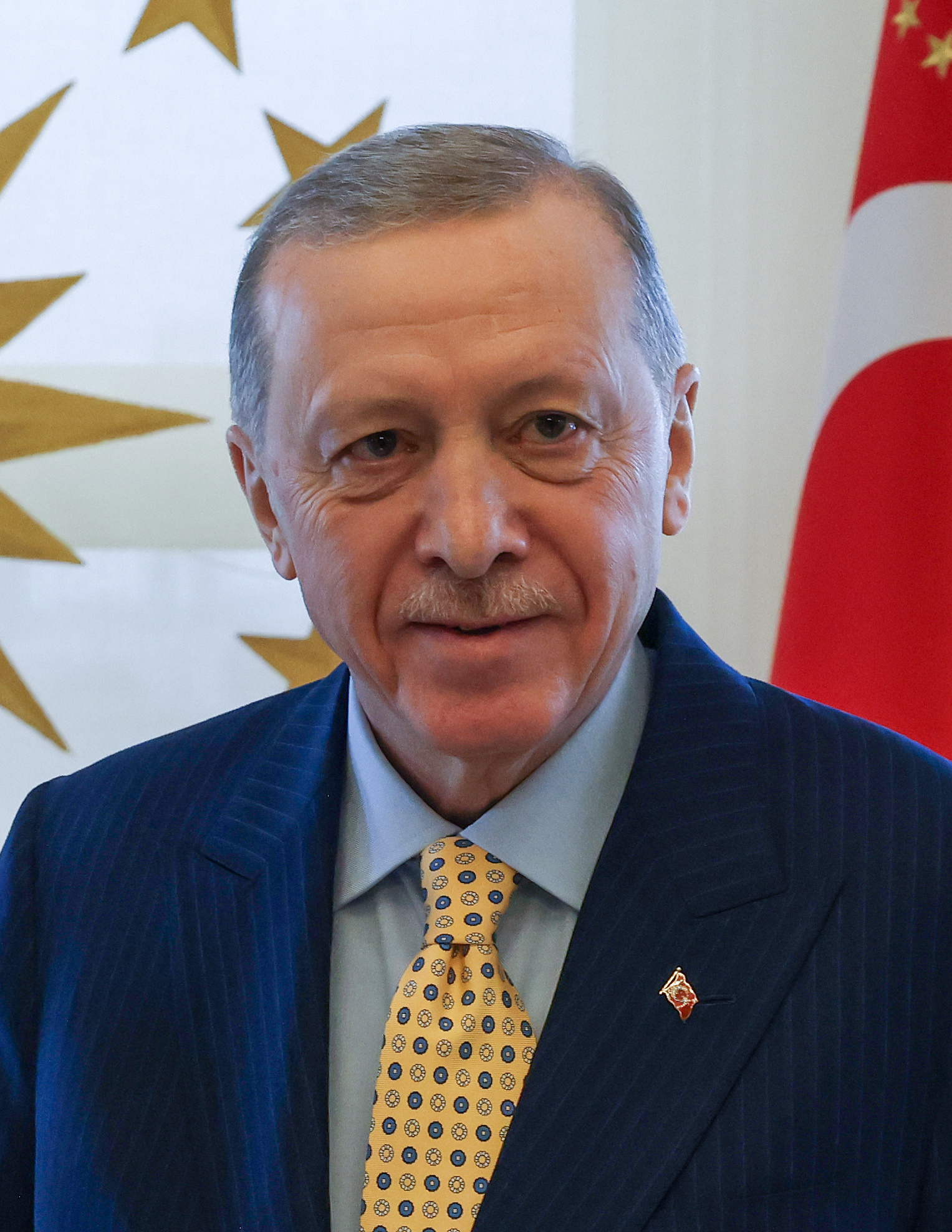
President Donald Trump met with Turkish President Recep Tayyip Erdoğan in Ankara on July 7, 2026 [1], ahead of a two-day NATO summit [2].
The meeting comes as the U.S. administration pushes for changes in how NATO members share the financial and military costs of the alliance. The talks are particularly critical as the U.S. seeks more explicit support from its allies regarding the ongoing conflict with Iran.
President Trump arrived in Turkey on Tuesday to begin the diplomatic engagements [1]. The bilateral discussions serve as a precursor to the broader summit, focusing on the future role of the alliance and geopolitical stability in the region. These talks occur amid a backdrop of tension regarding the level of commitment from European partners.
During the proceedings, President Trump addressed the lack of support from other European nations. "Italy turned us down, and Germany turned us down," President Trump said [3].
The two leaders are expected to spend the next two days [2] coordinating on security priorities. Key agenda items include burden-sharing, and the strategic positioning of NATO forces. The U.S. administration has repeatedly signaled that the current distribution of responsibilities within the alliance is unsustainable.
President Erdoğan and President Trump are navigating a complex relationship that balances tactical cooperation with strategic disagreements. The Ankara meeting is intended to align the two leaders before they join other member states for the full summit sessions.
“"Italy turned us down, and Germany turned us down,"”
This meeting signals a US strategy of utilizing bilateral diplomacy to pressure NATO allies into increasing their defense spending and operational support. By isolating specific grievances regarding Italy and Germany, the Trump administration is attempting to leverage Turkey's strategic position in Ankara to reshape the alliance's burden-sharing framework and secure a more unified front against Iran.


