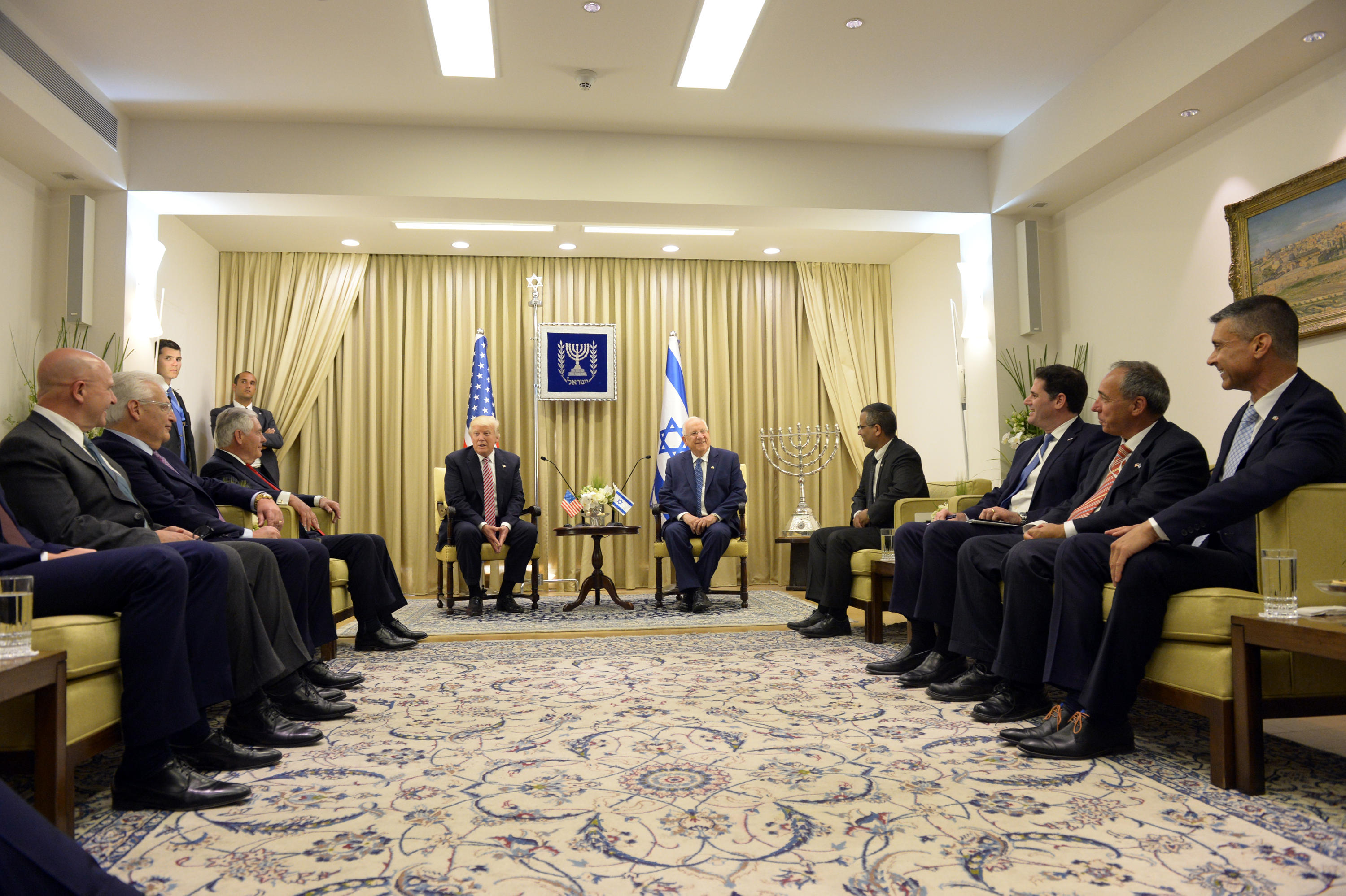
President Donald Trump said the U.S. will not allow political pressure to stop the sale of F-35 fighter jets to Turkey.
The decision signals a potential shift in how the U.S. balances its strategic partnerships in the Middle East, specifically regarding the tension between Israeli security concerns and Turkish diplomatic ties.
During a press briefing in Washington, D.C., Trump responded to objections raised by Israeli Prime Minister Benjamin Netanyahu regarding the transfer of the advanced aircraft [1]. The president said he has a personal and strategic relationship with the Turkish government.
"Turkey’s been a great ally for me," Trump said [1].
The dispute centers on whether providing Turkey with the F-35, one of the most advanced stealth fighters in the U.S. arsenal, would compromise Israeli intelligence or regional stability. Trump said foreign leaders should not dictate U.S. trade and defense exports.
"Nobody tells me what we should be selling," Trump said [2].
He said the administration intends to prioritize the delivery of high-end military hardware to its partners regardless of external diplomatic friction. This approach suggests a transactional view of defense diplomacy, where bilateral alliances are weighed against the objections of other allies.
"We will not let political pressure stop us from selling the best aircraft to our allies," Trump said [3].
The statement occurred on July 8, 2026 [1], during a period of heightened scrutiny over U.S. arms exports in the region. While Israel has historically influenced U.S. arms sales to ensure a qualitative military edge, the current administration's stance indicates a willingness to diverge from that precedent to strengthen ties with Ankara.
“"Turkey’s been a great ally for me."”
This stance represents a departure from traditional U.S. foreign policy, which often coordinates arms sales with Israel to maintain a specific regional power balance. By prioritizing the Turkey-U.S. relationship over Israeli objections, the administration is signaling a more independent, transactional approach to defense exports that may prioritize strategic flexibility and bilateral loyalty over long-standing regional security frameworks.


'%2F%3E%0A%20%20%20%20%3Crect%20width%3D'1600'%20height%3D'900'%20fill%3D'url(%23v)'%2F%3E%0A%20%20%20%20%3Cg%20opacity%3D'0.08'%20fill%3D'%23ffffff'%3E%0A%20%20%20%20%20%20%3Ccircle%20cx%3D'1420'%20cy%3D'180'%20r%3D'220'%2F%3E%0A%20%20%20%20%20%20%3Ccircle%20cx%3D'1500'%20cy%3D'760'%20r%3D'120'%2F%3E%0A%20%20%20%20%3C%2Fg%3E%0A%20%20%20%20%3Cline%20x1%3D'80'%20y1%3D'172'%20x2%3D'220'%20y2%3D'172'%20stroke%3D'%23ffffff'%20stroke-width%3D'3'%20stroke-opacity%3D'0.6'%2F%3E%0A%20%20%20%20%3Ctext%20x%3D'80'%20y%3D'140'%20font-family%3D'Inter%2C%20-apple-system%2C%20Helvetica%2C%20sans-serif'%20font-weight%3D'700'%20font-size%3D'28'%20fill%3D'%23ffffff'%20letter-spacing%3D'6'%3EHANNA%20%C2%B7%20NEWS%3C%2Ftext%3E%0A%20%20%20%20%3Ctext%20x%3D'80'%20y%3D'230'%20font-family%3D'Inter%2C%20-apple-system%2C%20Helvetica%2C%20sans-serif'%20font-weight%3D'600'%20font-size%3D'40'%20fill%3D'%23ffffffb3'%20letter-spacing%3D'4'%3EWORLD%3C%2Ftext%3E%0A%20%20%20%20%3Ctext%20x%3D'80'%20y%3D'622'%20font-family%3D'Playfair%20Display%2C%20Georgia%2C%20serif'%20font-weight%3D'800'%20font-size%3D'86'%20fill%3D'%23ffffff'%20letter-spacing%3D'-1'%3EAt%20least%2030%20killed%20in%3C%2Ftext%3E%3Ctext%20x%3D'80'%20y%3D'721'%20font-family%3D'Playfair%20Display%2C%20Georgia%2C%20serif'%20font-weight%3D'800'%20font-size%3D'86'%20fill%3D'%23ffffff'%20letter-spacing%3D'-1'%3Enorthwestern%20Nigeria%20village%3C%2Ftext%3E%3Ctext%20x%3D'80'%20y%3D'820'%20font-family%3D'Playfair%20Display%2C%20Georgia%2C%20serif'%20font-weight%3D'800'%20font-size%3D'86'%20fill%3D'%23ffffff'%20letter-spacing%3D'-1'%3Eraid%3C%2Ftext%3E%0A%20%20%20%20%3Ctext%20x%3D'80'%20y%3D'870'%20font-family%3D'Inter%2C%20-apple-system%2C%20Helvetica%2C%20sans-serif'%20font-weight%3D'500'%20font-size%3D'22'%20fill%3D'%23ffffff66'%20letter-spacing%3D'2'%3Enews.hanna-ai.com%3C%2Ftext%3E%0A%20%20%3C%2Fsvg%3E)