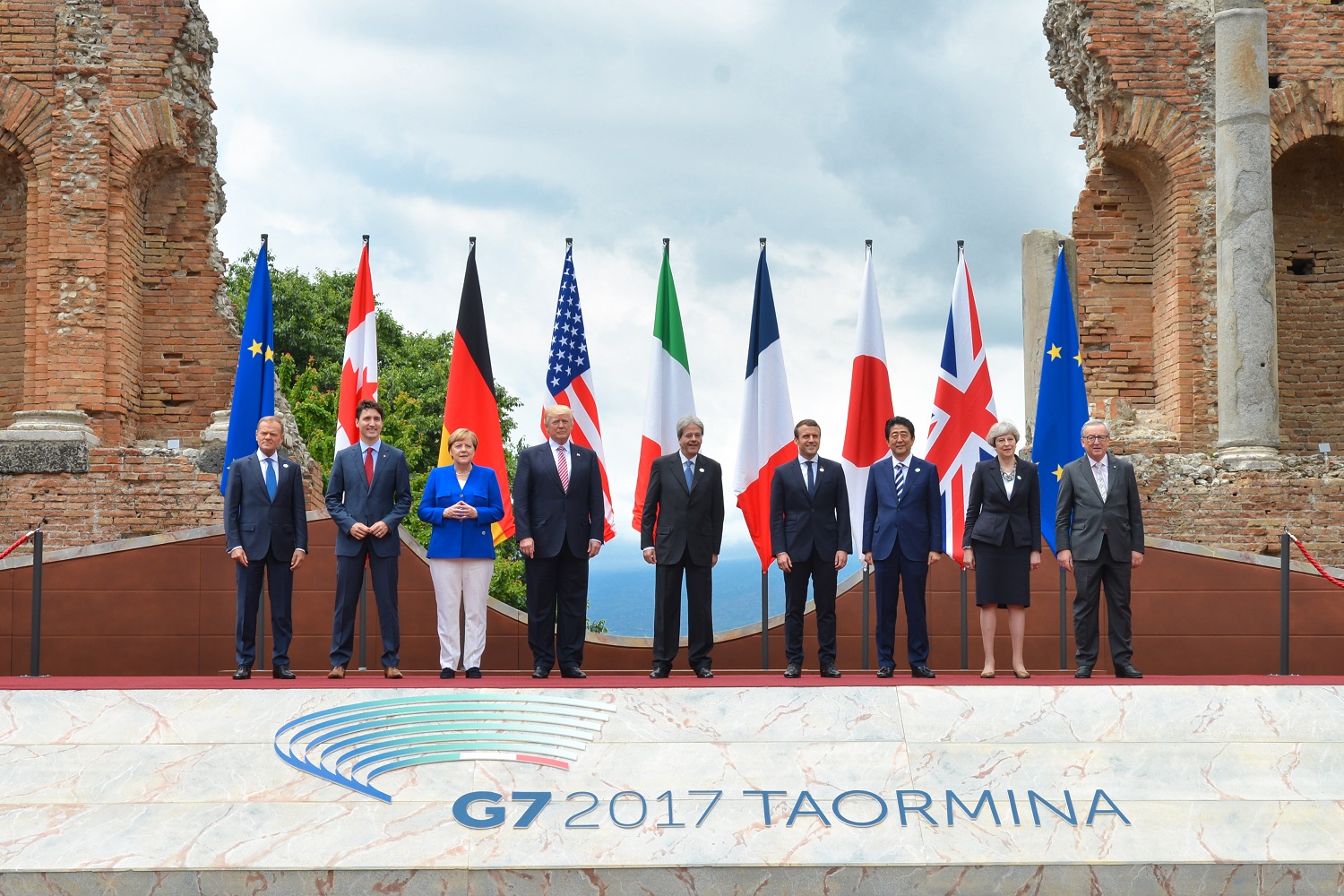
U.S. President Donald Trump is traveling to France to attend the G7 summit [1].
This gathering serves as a critical juncture for global diplomacy as leaders address escalating tensions and shifting alliances across the Middle East and Asia. The summit provides a venue for the U.S. to synchronize its foreign policy goals with key allies and partners.
Indian Prime Minister Narendra Modi is expected to attend the summit and may meet with Trump [2]. The potential face-to-face meeting between the two leaders has generated significant interest following invitations from French President Emmanuel Macron [3].
Both Trump and Modi have welcomed a developing understanding between the U.S. and Iran [1]. This diplomatic shift is expected to be a central point of discussion among the G7 members as they evaluate regional stability in the Middle East.
Beyond the Iran-U.S. relations, the summit agenda includes a broad range of global challenges. Leaders are scheduled to discuss trade policies, and the regulation of artificial intelligence [1].
China-U.S. relations remain a primary focus for the delegation. The leaders will also address the current state of NATO and the security architecture of the Atlantic alliance [1]. These discussions occur as the U.S. seeks to balance its strategic competition with China while maintaining traditional security bonds in Europe.
The summit is scheduled to take place in France [2]. The timing of these meetings allows the G7 to coordinate responses to economic volatility and emerging technological threats before the next fiscal cycle begins.
“Trump is traveling to France for the G7 summit”
The intersection of a potential Trump-Modi meeting and a new U.S.-Iran understanding suggests a pivot in U.S. foreign policy toward a more transactional and flexible diplomatic approach. By engaging both a strategic partner like India and a long-term adversary like Iran, the U.S. is attempting to reshape regional dynamics to better counter Chinese influence and stabilize volatile energy markets.


