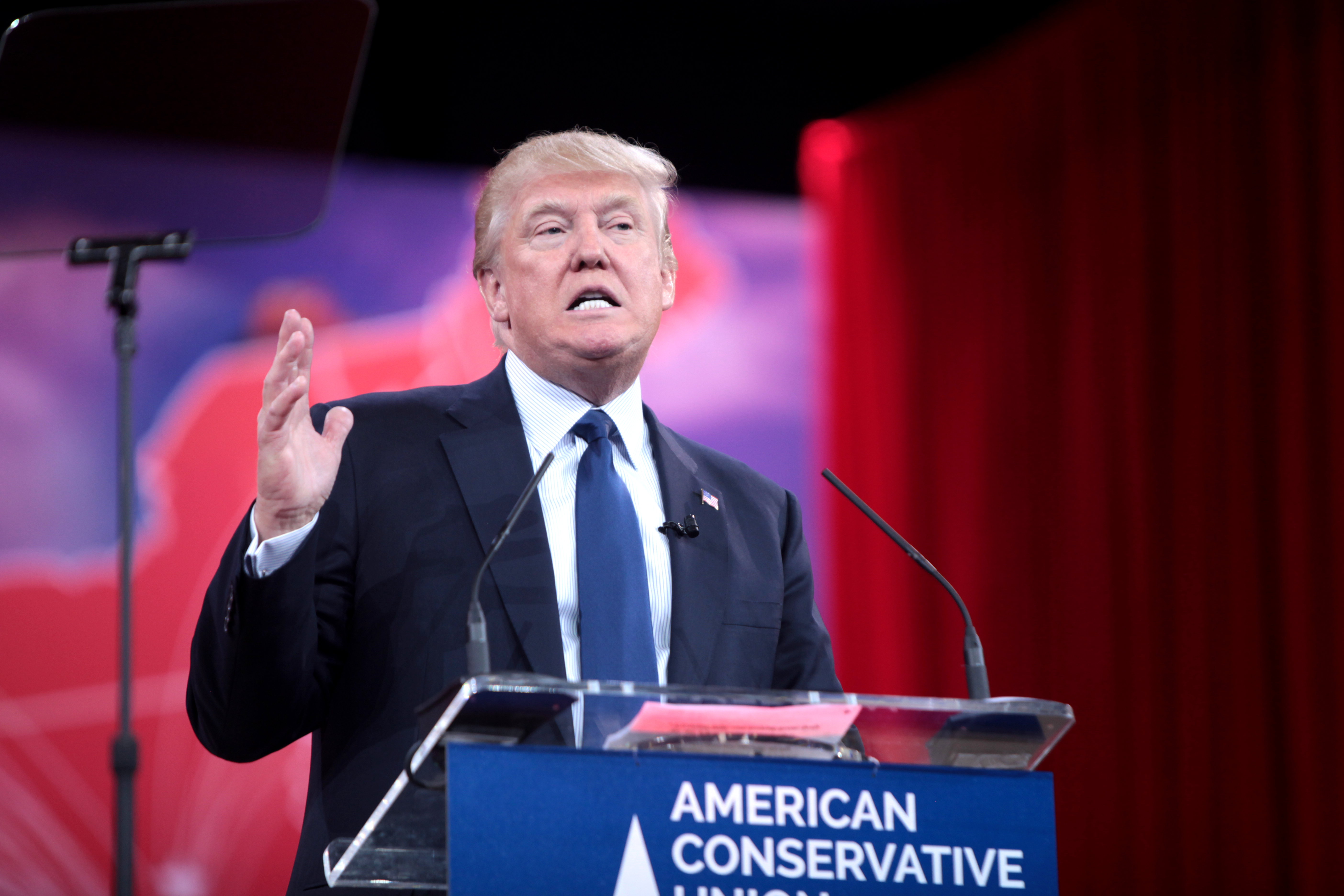
A federal panel of the U.S. Court of International Trade struck down President Donald Trump's 10% [1] global tariffs on Thursday, May 7, 2026 [5].
The ruling represents a significant legal setback for the administration's trade policy, marking the second time this year that a court has invalidated these specific levies.
The decision was reached by a two-1 [2] panel in New York. The court found that the tariffs were unauthorized under Section 122 [4] of the Trade Act of 1974 [4]. This statutory provision governs the authority of the executive branch to modify trade duties.
"The tariffs are unauthorized by law," the U.S. Court of International Trade panel said [0].
The administration had implemented the 10% [1] rate as a cornerstone of its global trade strategy. However, the court's determination that the move exceeded legal authority creates an immediate challenge to the regime's implementation. The tariffs were previously scheduled to expire in July 2026 [3].
This ruling follows a pattern of judicial scrutiny regarding the scope of presidential power in trade negotiations. By citing the Trade Act of 1974, the court has limited the administration's ability to unilaterally impose broad tariffs without specific congressional authorization, or meeting strict statutory criteria.
“The tariffs are unauthorized by law.”
This ruling underscores a growing judicial tension between executive orders and statutory trade law. By invalidating the tariffs based on the Trade Act of 1974, the court is reinforcing the requirement that presidential trade actions must remain within the bounds of congressional mandates. This may force the administration to either seek new legislative approval or find alternative legal justifications to maintain its tariff regime before the original expiration in July.
'%2F%3E%0A%20%20%20%20%3Crect%20width%3D'1600'%20height%3D'900'%20fill%3D'url(%23v)'%2F%3E%0A%20%20%20%20%3Cg%20opacity%3D'0.08'%20fill%3D'%23ffffff'%3E%0A%20%20%20%20%20%20%3Ccircle%20cx%3D'1420'%20cy%3D'180'%20r%3D'220'%2F%3E%0A%20%20%20%20%20%20%3Ccircle%20cx%3D'1500'%20cy%3D'760'%20r%3D'120'%2F%3E%0A%20%20%20%20%3C%2Fg%3E%0A%20%20%20%20%3Cline%20x1%3D'80'%20y1%3D'172'%20x2%3D'220'%20y2%3D'172'%20stroke%3D'%23ffffff'%20stroke-width%3D'3'%20stroke-opacity%3D'0.6'%2F%3E%0A%20%20%20%20%3Ctext%20x%3D'80'%20y%3D'140'%20font-family%3D'Inter%2C%20-apple-system%2C%20Helvetica%2C%20sans-serif'%20font-weight%3D'700'%20font-size%3D'28'%20fill%3D'%23ffffff'%20letter-spacing%3D'6'%3EHANNA%20%C2%B7%20NEWS%3C%2Ftext%3E%0A%20%20%20%20%3Ctext%20x%3D'80'%20y%3D'230'%20font-family%3D'Inter%2C%20-apple-system%2C%20Helvetica%2C%20sans-serif'%20font-weight%3D'600'%20font-size%3D'40'%20fill%3D'%23ffffffb3'%20letter-spacing%3D'4'%3EBUSINESS%3C%2Ftext%3E%0A%20%20%20%20%3Ctext%20x%3D'80'%20y%3D'622'%20font-family%3D'Playfair%20Display%2C%20Georgia%2C%20serif'%20font-weight%3D'800'%20font-size%3D'86'%20fill%3D'%23ffffff'%20letter-spacing%3D'-1'%3EChild%20killed%20after%20tree%3C%2Ftext%3E%3Ctext%20x%3D'80'%20y%3D'721'%20font-family%3D'Playfair%20Display%2C%20Georgia%2C%20serif'%20font-weight%3D'800'%20font-size%3D'86'%20fill%3D'%23ffffff'%20letter-spacing%3D'-1'%3Efalls%20on%20school%20bus%20in%3C%2Ftext%3E%3Ctext%20x%3D'80'%20y%3D'820'%20font-family%3D'Playfair%20Display%2C%20Georgia%2C%20serif'%20font-weight%3D'800'%20font-size%3D'86'%20fill%3D'%23ffffff'%20letter-spacing%3D'-1'%3EMumbai%3C%2Ftext%3E%0A%20%20%20%20%3Ctext%20x%3D'80'%20y%3D'870'%20font-family%3D'Inter%2C%20-apple-system%2C%20Helvetica%2C%20sans-serif'%20font-weight%3D'500'%20font-size%3D'22'%20fill%3D'%23ffffff66'%20letter-spacing%3D'2'%3Enews.hanna-ai.com%3C%2Ftext%3E%0A%20%20%3C%2Fsvg%3E)