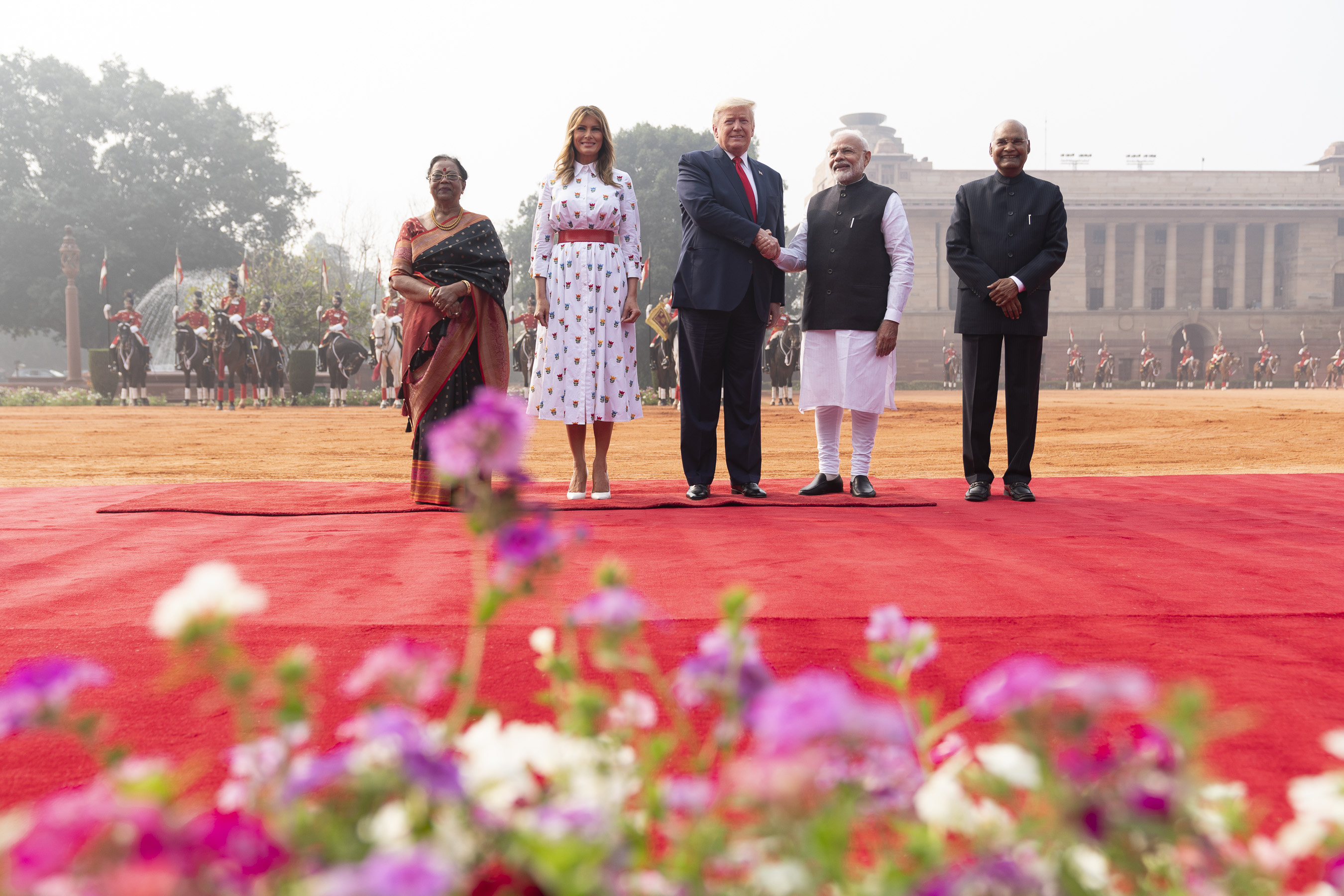
U.S. officials are arranging a potential state visit by President Donald Trump (R) to India in early 2027 [1].
The visit signals a push to formalize economic ties and resolve long-standing trade disputes between the two nations. A successful agreement would mark a significant shift in the strategic partnership between the U.S. and India, potentially lowering tariffs and expanding market access for both sides.
Secretary of State Marco Rubio said the administration is seeking to coordinate the timing of the trip. "We are seeking to arrange a visit by President Donald Trump early next year," Rubio said [1].
U.S. Ambassador to India Sergio Gor said the visit is closely tied to the progress of a bilateral trade deal. Gor said the trade agreement is currently in its last leg and is expected to be concluded in the coming months [3].
The diplomatic effort comes as both nations seek to strengthen security and economic cooperation in the Indo-Pacific region. Gor said the strategic and economic relationship between New Delhi and Washington continues to grow [2].
While the exact itinerary and cities to be visited have not been named, the focus remains on the economic framework. The proposed trade deal has been a point of negotiation for several years, a process that officials believe is now nearing completion [3].
If the deal is finalized as expected, the early 2027 visit would likely serve as the official seal on the agreement. This timeline allows both governments to synchronize the diplomatic optics of a state visit with the tangible delivery of a trade pact [1, 3].
“"We are seeking to arrange a visit by President Donald Trump early next year."”
The alignment of a presidential visit with the conclusion of a trade deal suggests that the U.S. is using high-level diplomacy to secure specific economic concessions. By linking the visit to the 'last leg' of negotiations, Washington is creating a deadline-driven incentive for New Delhi to finalize the agreement, signaling that the economic partnership is now a primary pillar of the broader strategic alliance.