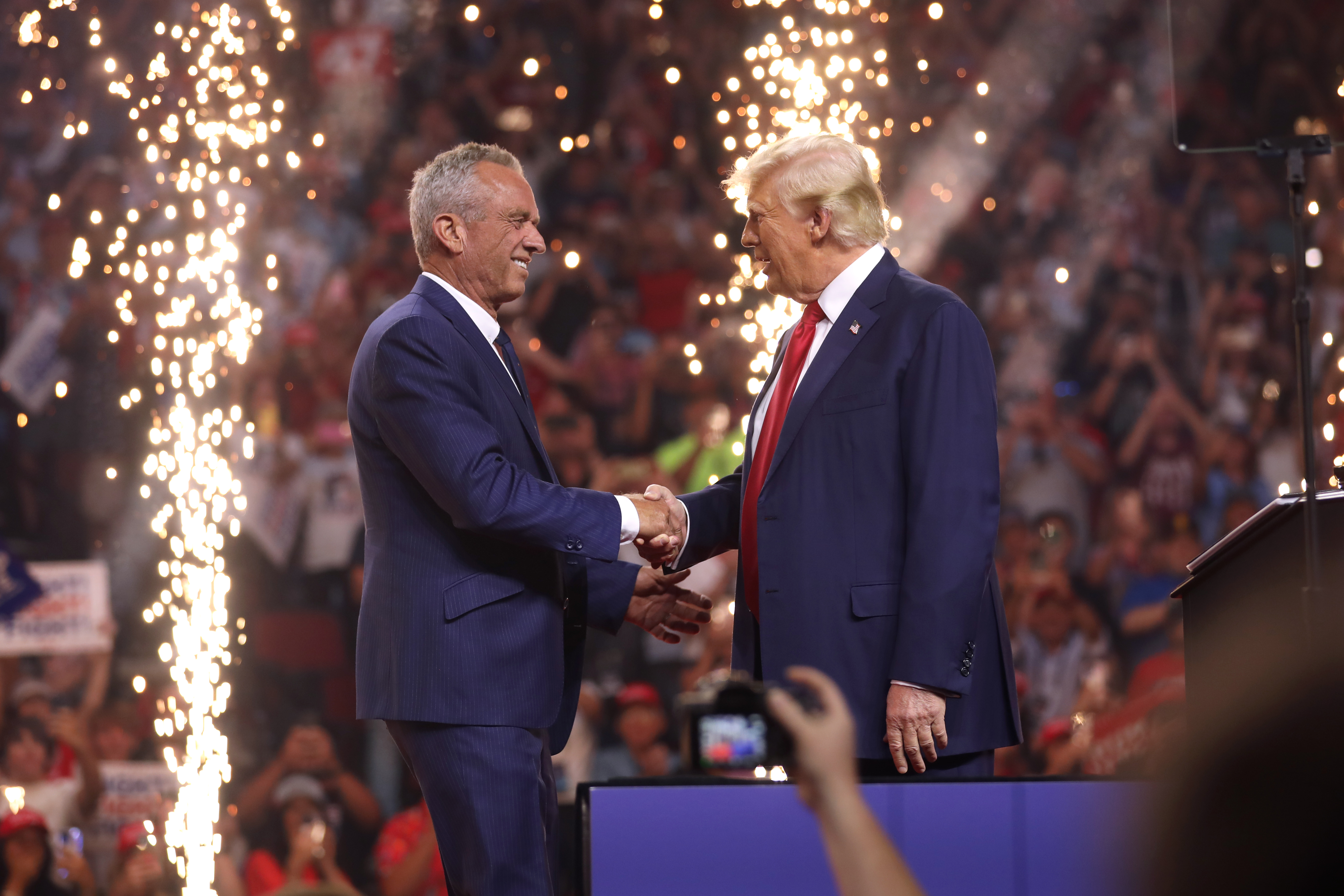
President Donald Trump said a deal to end the war with Iran is imminent, despite denials from Tehran and continued hostilities.
The discrepancy between the U.S. administration's claims and the reality on the ground creates significant uncertainty regarding regional stability and the future of nuclear proliferation.
"We are very close to a deal that will end the war with Iran," Trump said [3]. In a separate statement posted to his social-media account, he wrote, "I think we have a deal, it's imminent" [1]. These assertions suggest a breakthrough that would potentially satisfy Israeli security concerns and halt strikes on energy sites.
However, the narrative of a finalized agreement has shifted rapidly. Trump said the deal was imminent just one day before he expressed uncertainty and noted that negotiations were still ongoing [1]. This volatility in communication has coincided with a period of heightened tension in the Persian Gulf.
Iranian leadership has offered a different perspective on the situation. Supreme Leader Ayatollah Ali Khamenei said, "I made this deal out of desperation" [2]. While some reports indicate Iran may hand over enriched uranium and refrain from seeking nuclear weapons [3], other sources report that Iran denies any concessions or ongoing talks [4].
Despite the conflicting diplomatic signals, some tangible actions have occurred. The U.S. lifted its naval blockade of the Persian Gulf [2]. This move follows a series of escalating events where the intensity of the war has continued to rise even as the U.S. president promised a resolution.
Trump has maintained that the deal will please Israel and bring a definitive end to the conflict. Nevertheless, the gap between the president's public optimism and the denials from Tehran suggests that the terms of any potential agreement remain contested or unfinalized.
“"We are very close to a deal that will end the war with Iran," President Donald Trump said.”
The contradiction between the U.S. executive's claims of an imminent deal and Iran's denial of concessions suggests a high-stakes diplomatic gamble. By publicly announcing a deal before it is ratified, the U.S. may be attempting to force Iranian compliance or project strength to regional allies. However, the continued hostilities and the admission of 'desperation' from Khamenei indicate that any agreement reached is likely fragile and lacks the mutual consensus required for long-term stability.