President Donald Trump (R-FL) pledged a "major military punishment" against Iran and its Houthi allies on Thursday after attacks on two Saudi oil tankers [1].
The escalation threatens to disrupt global energy markets and increase regional instability as the U.S. considers direct military responses to maritime strikes.
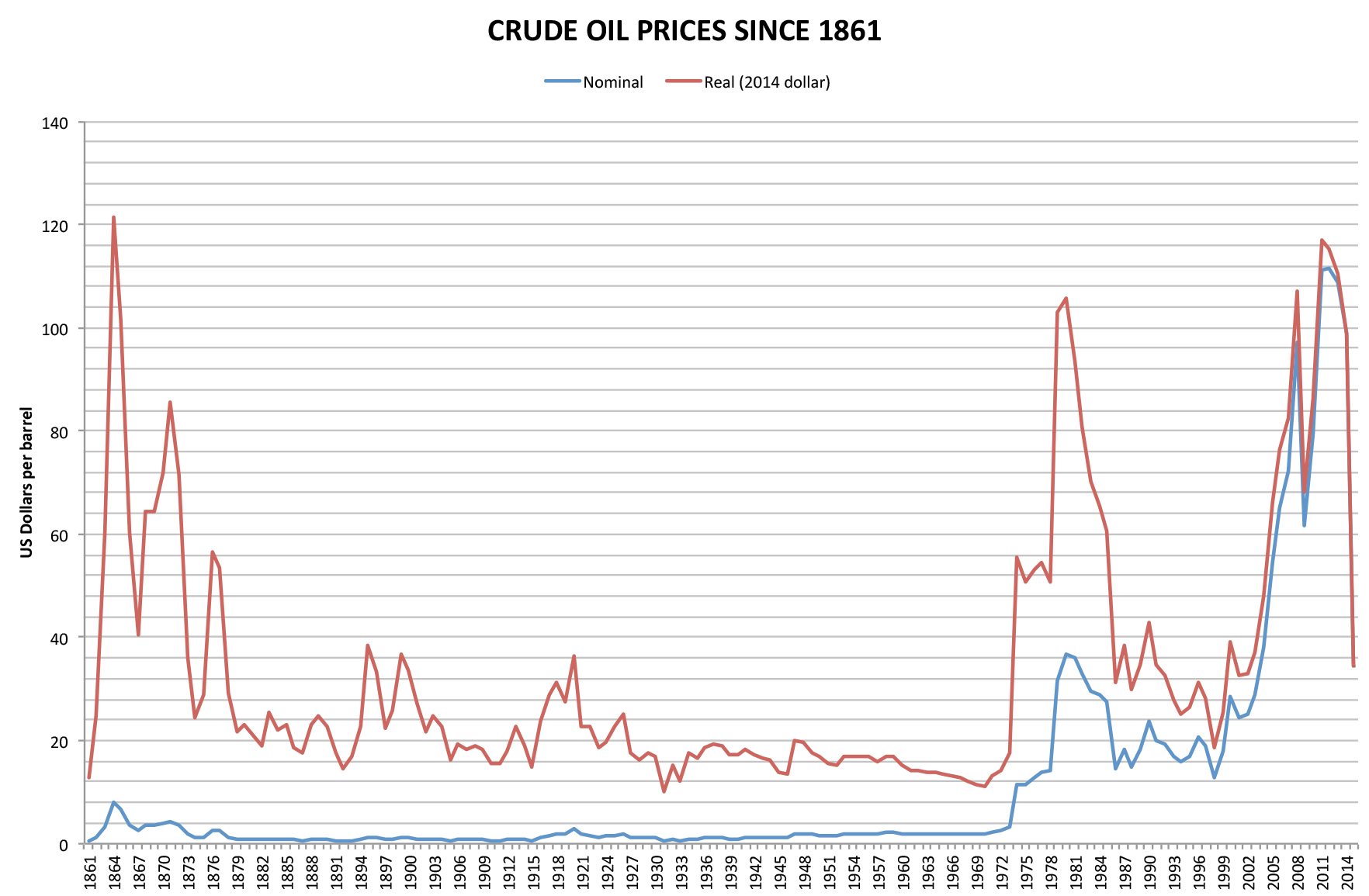
Brent crude prices rose to approximately $100.60 per barrel [2], with other reports indicating the price topped the $100 mark [3]. This price level has not been seen since late May [4]. The surge follows attacks on two Saudi tankers [1] in the Red Sea, specifically within the Bab el-Mandeb strait [2].
Trump said, "We will impose a major military punishment on Iran and its Houthi allies" [1]. The president also said he would bomb Iranian infrastructure in response to the Red Sea attacks [5].
Market analysts said that oil prices have surged past the $100 mark [4]. While some reports placed the increase at more than $95 per barrel [6], the higher-trust data indicates a breach of the $100 threshold [3].
The Bab el-Mandeb strait is a critical chokepoint for global oil shipments. The recent attacks have heightened supply-risk concerns, fueling the rapid climb in crude costs [2]. The U.S. administration has linked the Houthi actions directly to Iranian influence, justifying the threat of a military response [1].
“"We will impose a major military punishment on Iran and its Houthi allies."”
The convergence of $100 oil and threats of military strikes on Iranian infrastructure suggests a high-risk period for global energy stability. Because the Bab el-Mandeb strait is a vital artery for oil transit, any direct conflict between the U.S. and Iran could lead to prolonged price volatility and further supply shocks beyond the current surge.