President Donald Trump said the memorandum of understanding with Iran is not final and warned the U.S. would resume bombing if he dislikes the agreement.
This statement signals a willingness to return to military escalation to ensure Tehran does not obtain a nuclear weapon. The threat suggests that the current diplomatic framework is a conditional tool rather than a guaranteed peace agreement.
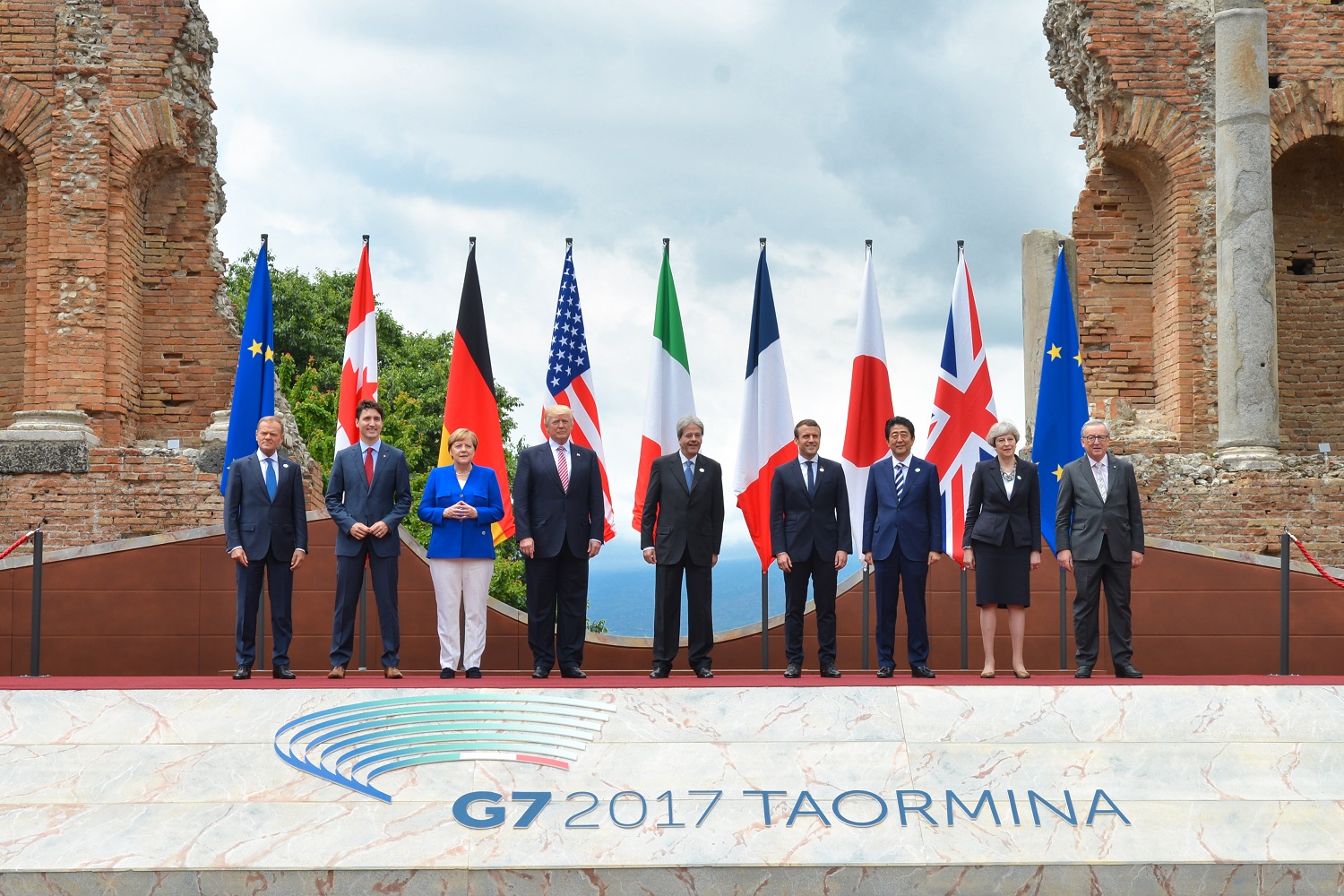
Speaking during the G7 summit in Évian‑les‑Bains, France, on June 17, 2026 [1], Trump said the MOU is a framework rather than a finished deal. He said the U.S. position remains flexible based on his approval of the final terms.
"Iran MOU is not final," Trump said [2]. "If I don't like the agreement, we will go back to dropping bombs. If I don't like what I see, we'll strike again" [2].
The president tied these warnings directly to the goal of nuclear non-proliferation. He said that Iran will never have a nuclear weapon [2]. This approach uses the threat of renewed kinetic action to maintain pressure on the Iranian government as the signing of a formal agreement nears [3].
Trump said he would take military action if the diplomatic process fails to meet his standards. "We will 'go right back to dropping bombs' if I don't like the Iran deal," he said [1].
By framing the MOU as a preliminary step, the administration maintains the option to pivot back to a policy of maximum pressure. The G7 summit serves as the backdrop for this assertion of U.S. leverage over the Iranian regime.
“"Iran will never have a nuclear weapon."”
The administration is utilizing 'strategic ambiguity' and overt threats of military force to secure more stringent concessions from Iran. By publicly labeling the MOU as non-final, the U.S. retains the legal and political flexibility to abandon the deal without a formal breach of contract, while keeping the threat of airstrikes as a primary tool for diplomatic leverage.


