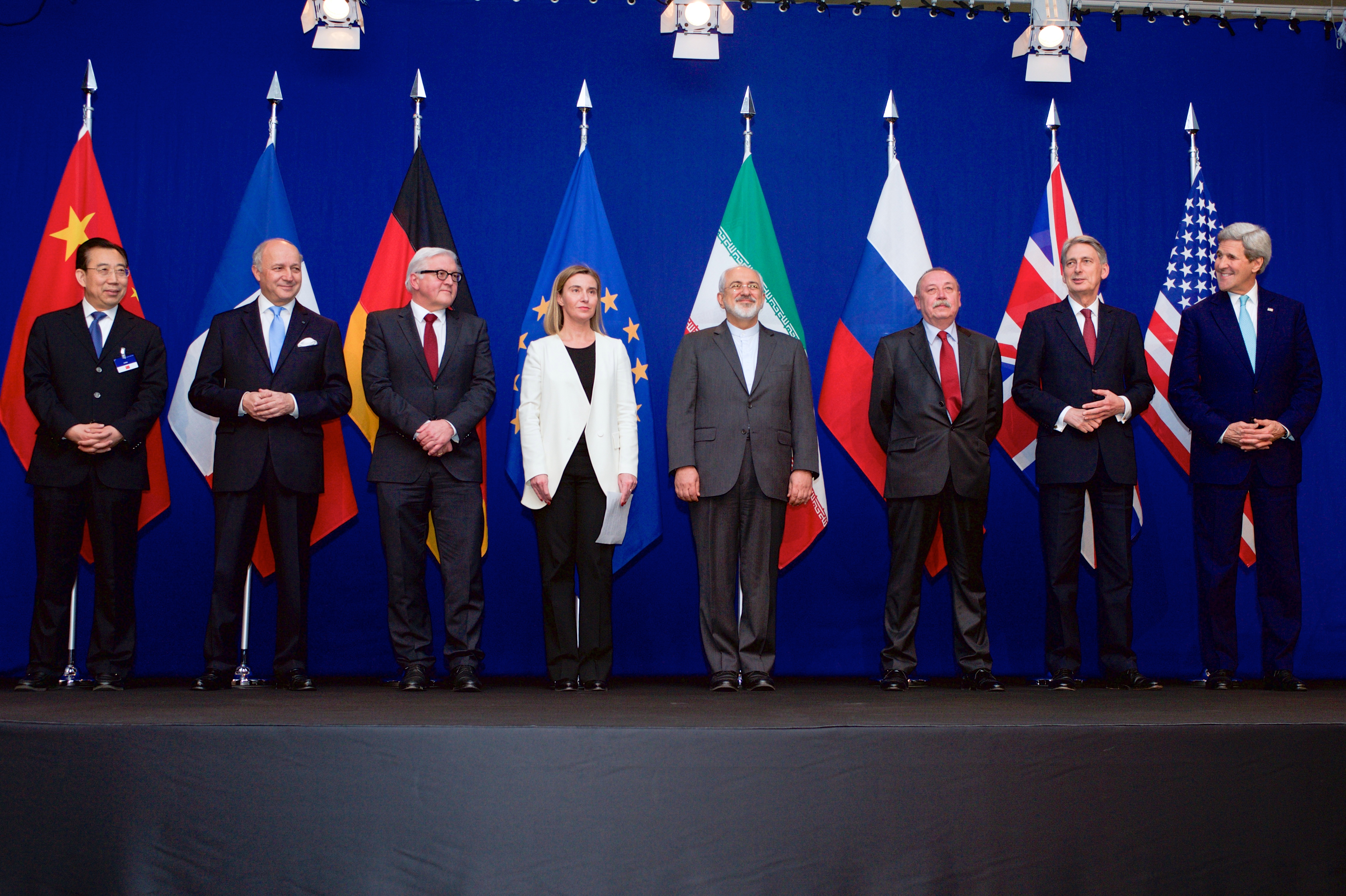
President Donald Trump said Iran has agreed to never acquire nuclear weapons under a new memorandum of understanding signed in Geneva [1, 2].
The agreement marks a significant shift in diplomatic efforts to prevent nuclear proliferation in the Middle East. By securing a formal commitment from Tehran, the U.S. aims to eliminate the threat of a nuclear-armed Iran while establishing a framework for future relations.
Trump said that the memorandum of understanding was signed on Monday [3]. He said there would be "ultimate consequences" [4] if Iran violates the terms of the deal. The president said, "All hell will rain down" [5] on the nation if it pursues nuclear weapons.
While some reports suggest the nuclear promise is not a new commitment [6], Trump presented the agreement as a fresh breakthrough in negotiations. The talks involved several international components, including discussions in Evian and Geneva, and involved coordination with partners in Qatar and the Emirates [5].
Addressing financial rumors surrounding the deal, Trump rejected claims that the U.S. provided a $300 million [3] fund to Iran as part of the arrangement. He said the reports of such a payment were inaccurate.
The president's approach combines a diplomatic agreement with a stark warning. This strategy intends to ensure compliance through the threat of overwhelming force should the memorandum be ignored.
“"All hell will rain down"”
This memorandum of understanding represents a pivot toward a 'maximum pressure' diplomacy where formal agreements are backed by explicit threats of military escalation. By publicly binding Iran to a non-proliferation pledge in Geneva, the administration creates a clear trigger for future sanctions or military action, while simultaneously dismissing reports of financial incentives used to secure the deal.


