
U.S. President Donald Trump issued a warning to Iran, urging the nation to accept a nuclear deal to avoid further planned attacks [1].
The warning arrives amid escalating regional tensions and follows high-stakes diplomatic engagements in Asia. This pressure campaign signals a potential escalation in U.S. military or diplomatic strategy if Tehran refuses to comply with the proposed agreement [1].
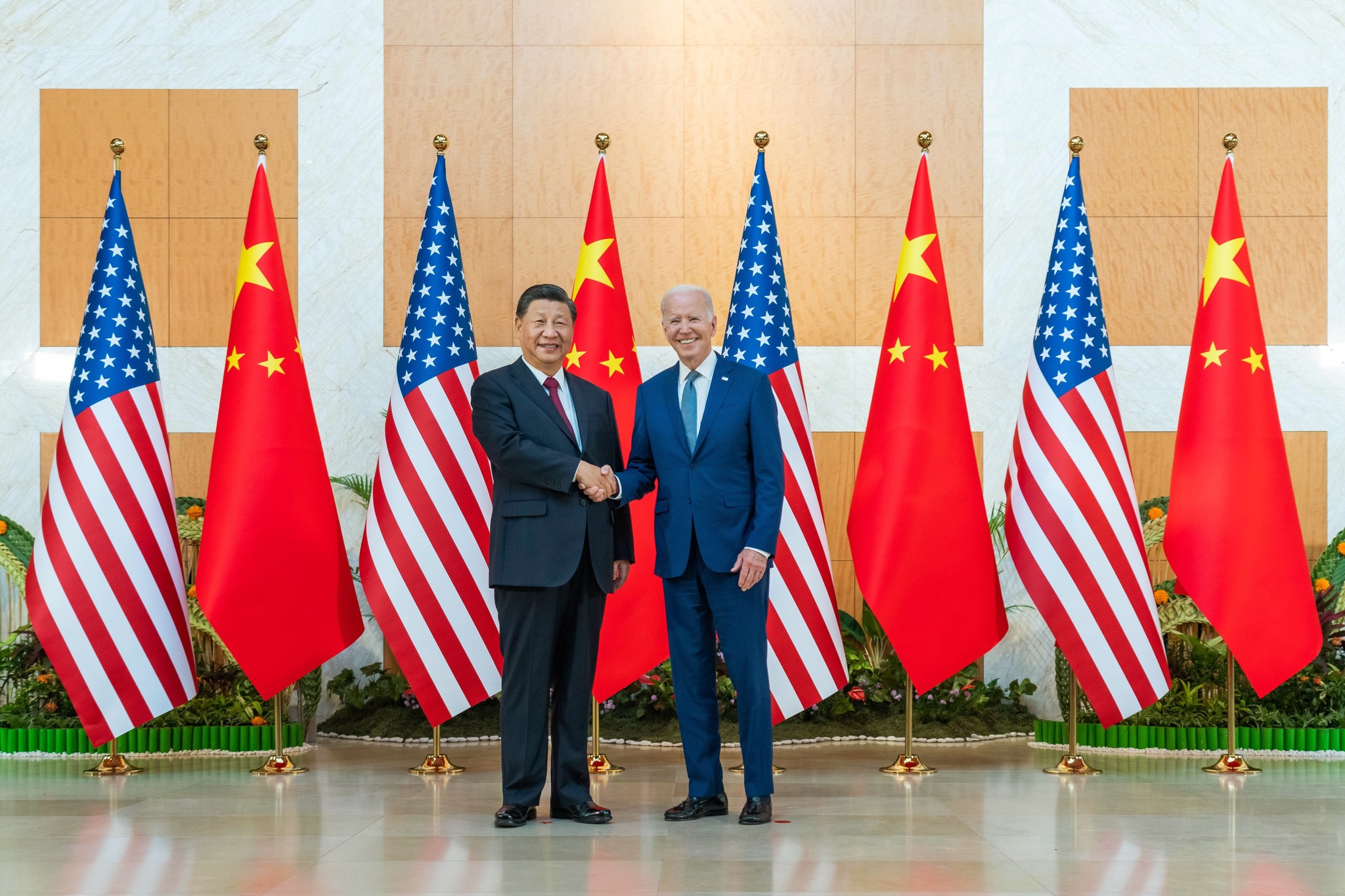
The statement followed a meeting in Beijing between Trump and Chinese President Xi Jinping [2]. During these discussions, the two leaders addressed a broad range of critical issues, including trade, Taiwan, and the security situation regarding Iran [2].
Trump's warning comes in the wake of recent Israeli strikes on Iran [1]. In a statement regarding the volatility of the region, Trump said, "There has already been great death and ..." and said, "We must avoid further planned attacks" [1].
President Xi Jinping used the summit to emphasize the necessity of stability between the two largest economies. Xi said, "Both nations should be partners and not rivals" [2].
The U.S. administration is leveraging these high-level talks to coordinate regional security and pressure Iran into a nuclear agreement. By discussing the matter with China, the U.S. is engaging a key global power that maintains significant economic and diplomatic ties with Tehran [2].
“"We must avoid further planned attacks."”
The timing of this warning suggests a coordinated effort to isolate Iran diplomatically by aligning U.S. interests with Chinese stability. By issuing the ultimatum immediately following a summit in Beijing, the U.S. is signaling to Tehran that its primary diplomatic conduits are being monitored and that the window for a negotiated nuclear settlement is closing as military tensions with Israel rise.


