President Donald Trump announced that the U.S. and Iran have reached a peace agreement to end military operations and lift naval blockades [1].
The deal is significant because it opens the Strait of Hormuz and Iranian ports to shipping, potentially stabilizing global oil flows and reducing military tensions in the region [2, 3].
The agreement is slated to take effect this Friday [4]. Under the terms of the deal, the U.S. will remove the naval blockade that has restricted Iranian shipping and military activity [1, 5].
"The Deal with the Islamic Republic of Iran is now complete," Trump said [6].
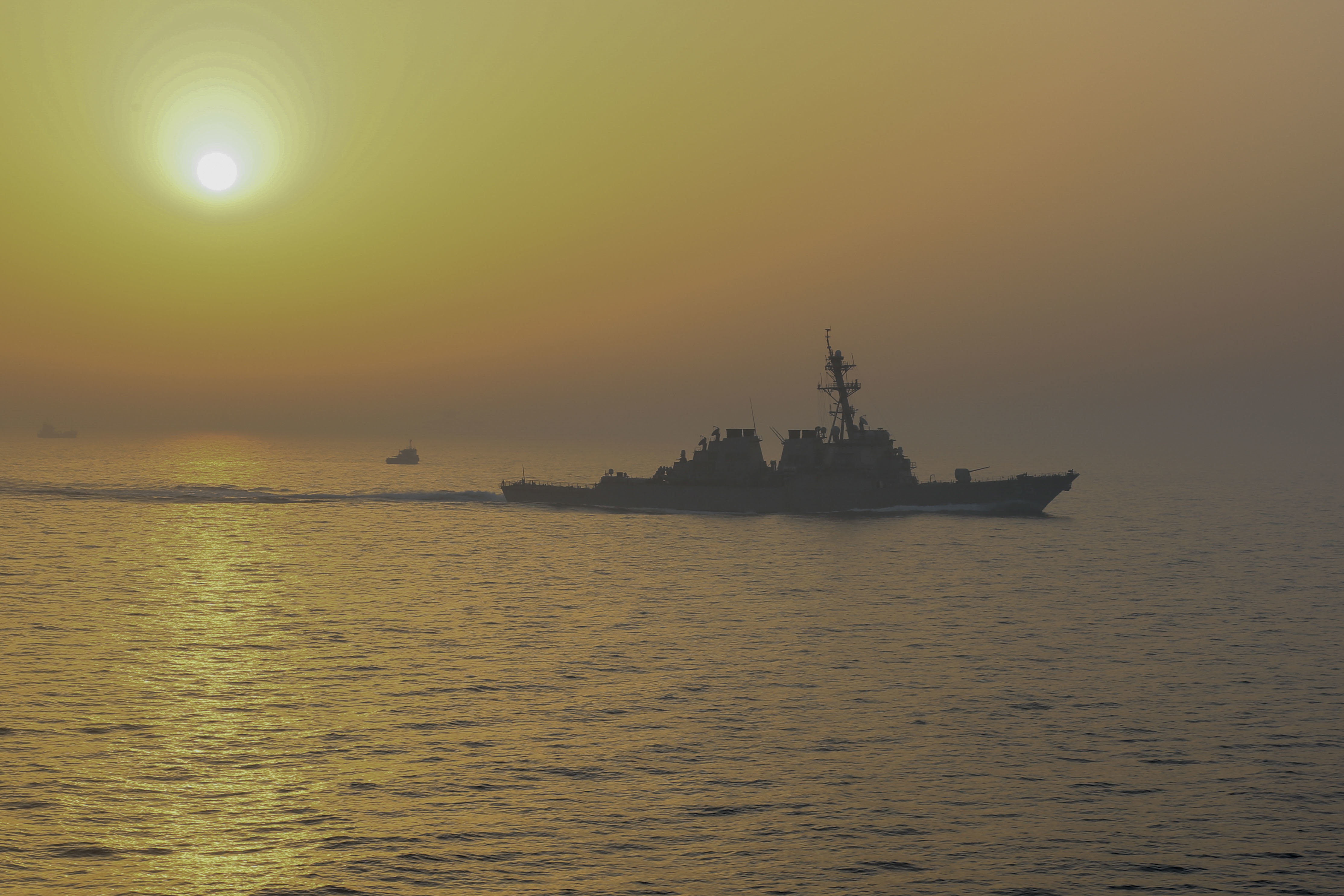
The president confirmed that he has authorized an end to the U.S. naval presence blocking the Strait of Hormuz [7]. This strategic waterway is a critical chokepoint for global energy markets, meaning the deal aims to allow oil to flow without the threat of military interference [2, 4].
Officials said the goal of the agreement is to end military operations on all fronts [2]. By lifting the restrictions on Iranian ports, the U.S. government intends to normalize maritime traffic, and decrease the likelihood of direct naval confrontations [1, 5].
"I have authorized an end to the US naval blockade in the Strait of Hormuz," Trump said [7].
“"The Deal with the Islamic Republic of Iran is now complete"”
The lifting of the blockade in the Strait of Hormuz removes a primary flashpoint for global conflict. Because a significant portion of the world's oil passes through this narrow waterway, the agreement is designed to prevent energy price spikes and reduce the risk of a full-scale naval war between the U.S. and Iran.