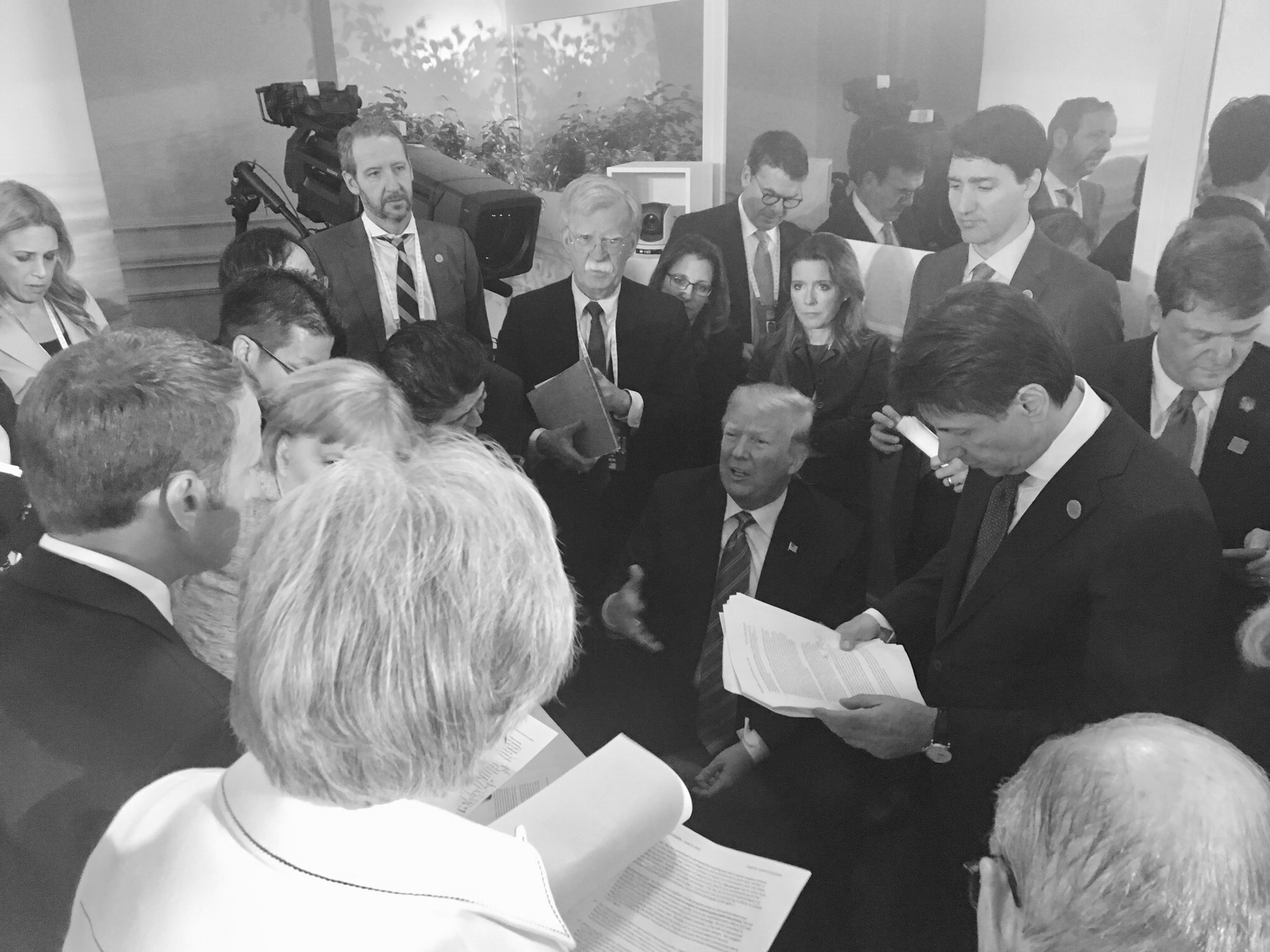
President Donald Trump has repeatedly threatened military action against Iran to force concessions during peace talks before retreating from those threats [1].
This volatile approach to diplomacy creates uncertainty regarding the stability of U.S. foreign policy and the actual likelihood of military escalation. The strategy relies on a cycle of high-pressure threats followed by sudden delays to maintain leverage over Tehran.
According to reports, the administration has used the prospect of bombing Iran as a tool to pressure the country into making concessions during ongoing peace-talk negotiations [1, 2]. However, this pattern has led to what some observers describe as a series of flip-flops in U.S. policy [1].
External reactions to this strategy remain divided. The Independent said that Iran has largely shrugged off the threats as the president continues to alternate between military warnings and the extension of peace-talk deadlines [2]. Conversely, the approach has created friction within the U.S. government. Fox News said that Senate Democrats have challenged GOP unity on the issue, noting that Senator Lisa Murkowski has shifted her position, which suggests a growing bipartisan pressure regarding the Iran conflict [2].
Some analysts have questioned the effectiveness of this pressure campaign. Bret Baier asked Trump if he underestimated the pain tolerance of Iran, suggesting the strategy may have been a miscalculation [2]. Other perspectives frame the timeline differently. A columnist for Free Press said that the timeline for a potential war keeps getting extended, characterizing the situation as a managed delay rather than an imminent conflict [2].
These shifts in rhetoric have occurred over several months, beginning in early 2024 [1]. The administration continues to operate from the White House, attempting to balance the threat of force with the goal of a negotiated settlement [1].
“President Donald Trump has repeatedly threatened military action against Iran to force concessions during peace talks.”
The current U.S. strategy toward Iran represents a departure from traditional diplomatic norms, replacing steady pressure with unpredictable volatility. By oscillating between the threat of total war and the extension of deadlines, the administration is testing the psychological limits of the Iranian leadership. However, the lack of a consistent red line may diminish the credibility of future U.S. threats and create internal political instability within the U.S. Senate.


