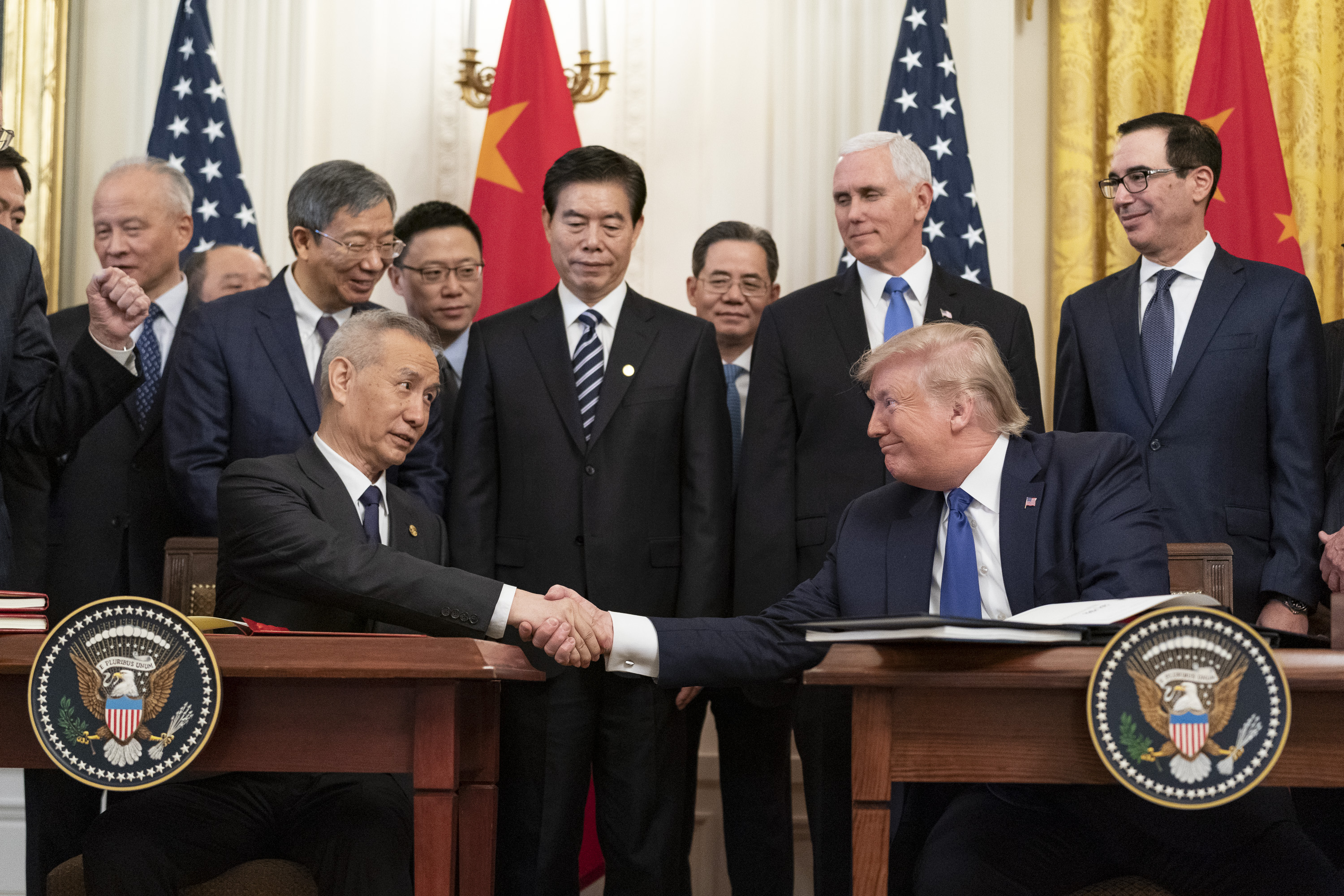
Former President Donald Trump said the Strait of Hormuz will be completely open this Friday following a new U.S.–Iran agreement [1].
The announcement comes as a potential turning point for global energy markets and maritime security. The Strait of Hormuz is one of the world's most vital oil transit chokepoints, and any agreement to ensure its stability could lower volatility in global crude prices.
Trump said the statement on Monday, June 15, 2024 [1], while in Evian-les-Bains on the shores of Lake Geneva. He was attending the G7 meeting hosted by France [1]. The former president linked the reopening of the waterway to a newly announced agreement between the U.S. and Iran intended to ease geopolitical tensions, and restore regular shipping traffic [1].
"Friday, the Strait of Hormuz will be completely open," Trump said [1].
The promised date for the full reopening is Friday, June 21, 2024 [1]. The agreement aims to resolve the friction that has previously led to threats of closure or disruptions in the region. While the specific terms of the deal were not detailed in the announcement, the focus remains on the restoration of safe passage for commercial vessels.
Trump's remarks during the G7 summit highlight a shift in the diplomatic approach toward Tehran. By coordinating this announcement in the context of a major international summit, the move signals a desire for broader multilateral recognition of the deal's impact on global trade.
“"Friday, the Strait of Hormuz will be completely open."”
The potential reopening of the Strait of Hormuz suggests a significant diplomatic breakthrough between the U.S. and Iran. Because a large percentage of the world's seaborne oil passes through this narrow waterway, a verified agreement to keep it open reduces the risk of sudden price spikes in the energy sector and lowers the immediate threat of naval conflict in the Persian Gulf.