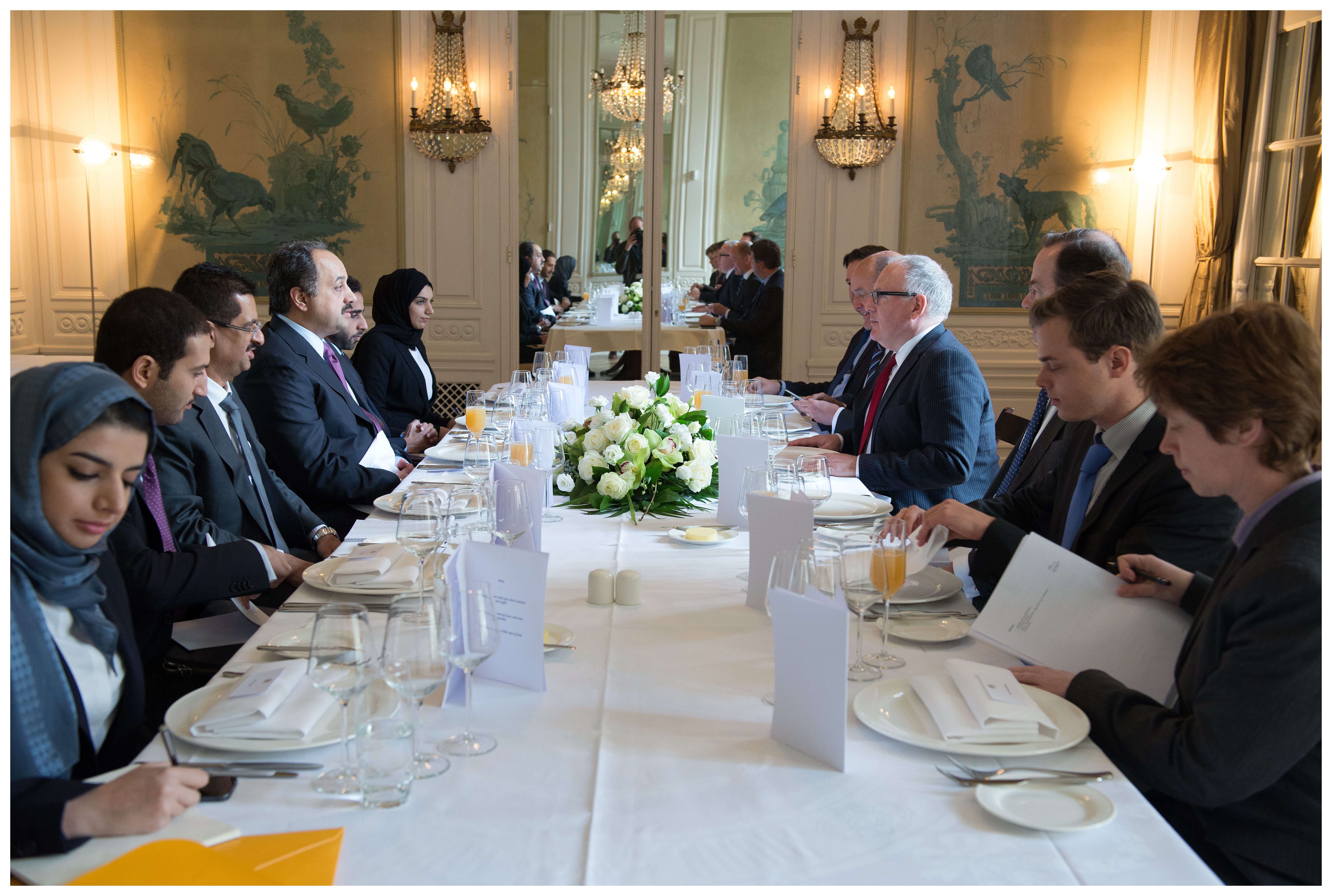
President Donald Trump said the U.S. held positive talks with Iran during the previous 24 hours [1].
These statements signal a potential shift in the ongoing conflict between the two nations. A peace deal could stabilize regional tensions and alter the diplomatic landscape of the Middle East.
Speaking during a press briefing with reporters on Wednesday, May 6, Trump said that negotiations are progressing [1]. "We have had very good talks with Iran over the past 24 hours," Trump said. "It's very possible we'll make a deal" [1].
The announcement follows a period of volatility in the region. The president's optimism regarding a potential agreement suggests a move toward diplomatic resolution, though the exact nature of the talks remains undisclosed.
There are contradictions regarding the current state of these negotiations. While Trump highlighted the success of talks occurring within a 24-hour window [1], other reports suggest a different timeline. On May 5, Trump said it was too soon for direct talks despite reporting great progress [3].
Further discrepancies exist regarding the method of communication. Some reports indicate the administration is sending envoys to Pakistan to facilitate talks with Iran, which would imply that direct negotiations have not yet occurred [2]. However, the president's most recent remarks on Wednesday said that discussions had already taken place and were successful [1].
The White House has not provided specific details on the terms being discussed, or the parties involved in the 24-hour window of communication [1].
“"We have had very good talks with Iran over the past 24 hours."”
The conflicting reports regarding whether talks are direct or mediated through third parties in Pakistan suggest a complex diplomatic strategy. The gap between the president's claim of successful 24-hour talks and previous statements that direct meetings were premature indicates either a rapid escalation in diplomacy or a strategic use of public optimism to pressure the Iranian government.