President Donald Trump announced Wednesday night that he signed a memorandum of understanding with Iran to establish a cease-fire [1].
The agreement is significant because it aims to stabilize a critical maritime corridor and reduce immediate military tensions between the U.S. and Iran [4].
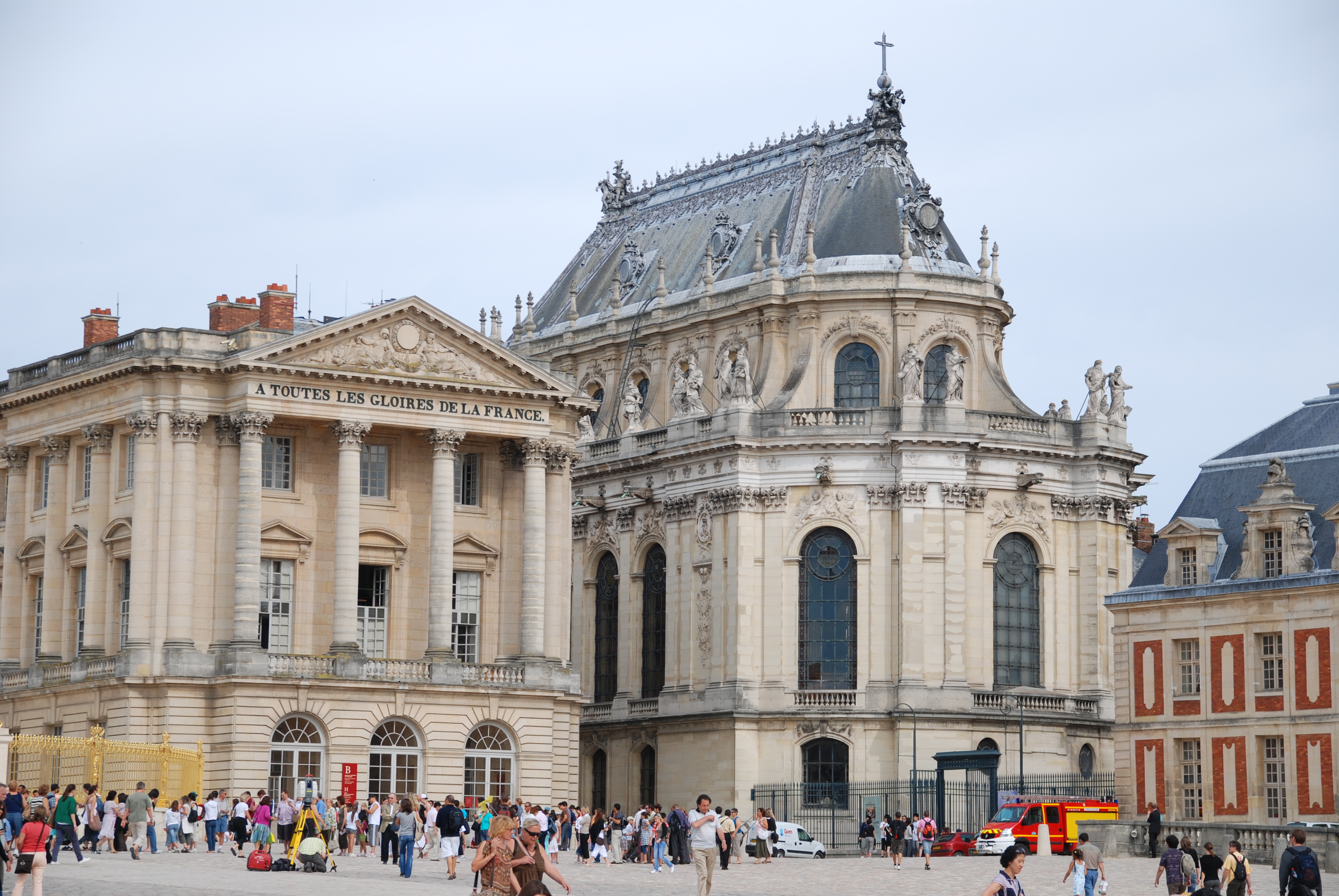
Trump made the announcement at the Palace of Versailles in France, where he was hosted by President Emmanuel Macron [1, 2]. The event took place during a dinner celebrating 250 years of American independence [2]. Trump, who is 80 years old [5], spoke with reporters while visiting the historic estate, which spans more than 800 hectares [6].
"It's signed. I signed it in Versailles," Trump said [7].
According to the president, the deal is intended to extend an existing cease-fire and ensure the reopening of the Strait of Hormuz [4]. The Strait is one of the world's most important oil transit chokepoints, and its closure or restriction often triggers global economic volatility.
"It's signed, confirming an Iran deal meant to extend a ceasefire and reopen the Strait of Hormuz," Trump said [8].
Trump confirmed the signing multiple times during the event, saying, "It's signed, yeah" [2]. The memorandum of understanding serves as a preliminary framework for peace, though the specific terms of the cease-fire were not detailed during the announcement.
“"It's signed. I signed it in Versailles."”
The signing of a memorandum of understanding at a high-profile venue like Versailles suggests a diplomatic effort to prioritize regional stability and global trade. By focusing on the Strait of Hormuz, the administration is addressing a primary economic vulnerability, as any disruption to this waterway directly impacts global energy prices and supply chains.


