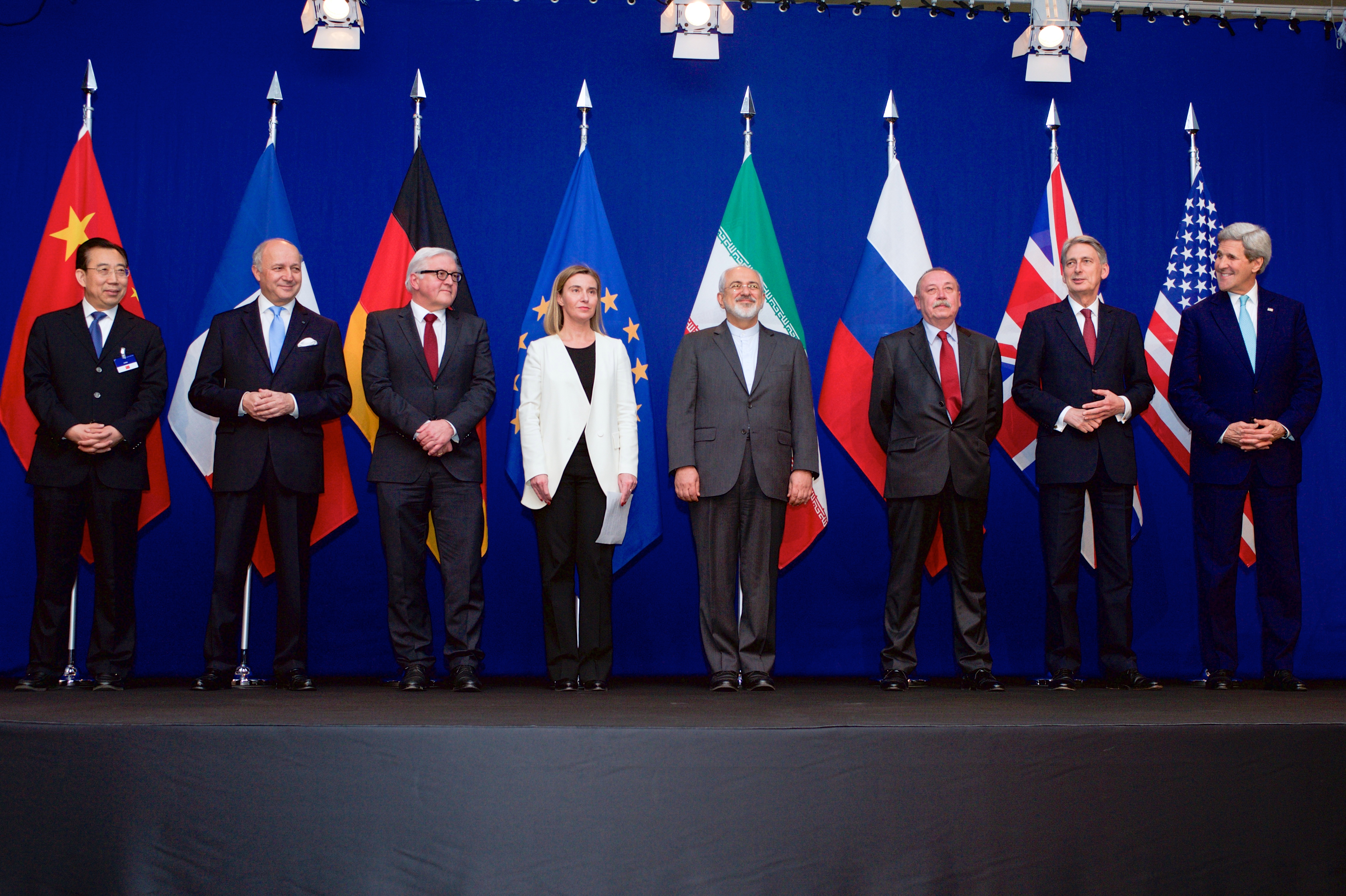
Analysts are questioning the objectives of President Donald Trump's decision to initiate a military conflict with Iran [1].
The lack of defined strategic goals raises concerns about the long-term stability of the Gulf region and the potential for a costly, open-ended engagement. Critics argue that without a clear exit strategy or specific military targets, the conflict risks creating a power vacuum or escalating regional tensions.
Michael Shoebridge, director of Strategic Analysis Australia, said the war lacks a clear purpose. Speaking with Sky News Australia, Shoebridge said that the current approach does not seem to focus on dismantling Iranian missile or drone capabilities that threaten the region [1].
Shoebridge also pointed to the absence of a strategy to curb Iranian support for its proxies [1]. He said, "It’s difficult to see what this war was about because there’s nothing about support to Iranian proxies … there’s nothing about dismantling their missile or drone capabilities that threaten the rest of the region" [1].
Beyond the immediate military objectives, the financial aftermath of the conflict is a primary concern for international observers. Shoebridge said that the global community would likely bear the burden of rebuilding the nation's infrastructure [1].
He said that the Gulf and the rest of the world are going to pay $300 billion [1] to reconstruct Iran. This projection suggests that the economic cost of the conflict will extend far beyond the initial military expenditure, affecting global markets and diplomatic relations for years to come [1].
The U.S. administration has not yet provided a detailed public roadmap for the conflict's conclusion or the specific metrics used to define success in the campaign [1].
“"The Gulf and the rest of the world are going to pay $300 billion to reconstruct Iran."”
The critique highlights a perceived gap between military action and strategic diplomacy. If the conflict fails to address the root causes of regional instability—such as drone proliferation and proxy networks—the U.S. and its allies may face a cycle of reconstruction and renewed conflict, with the $300 billion estimate serving as a warning of the potential economic liability.