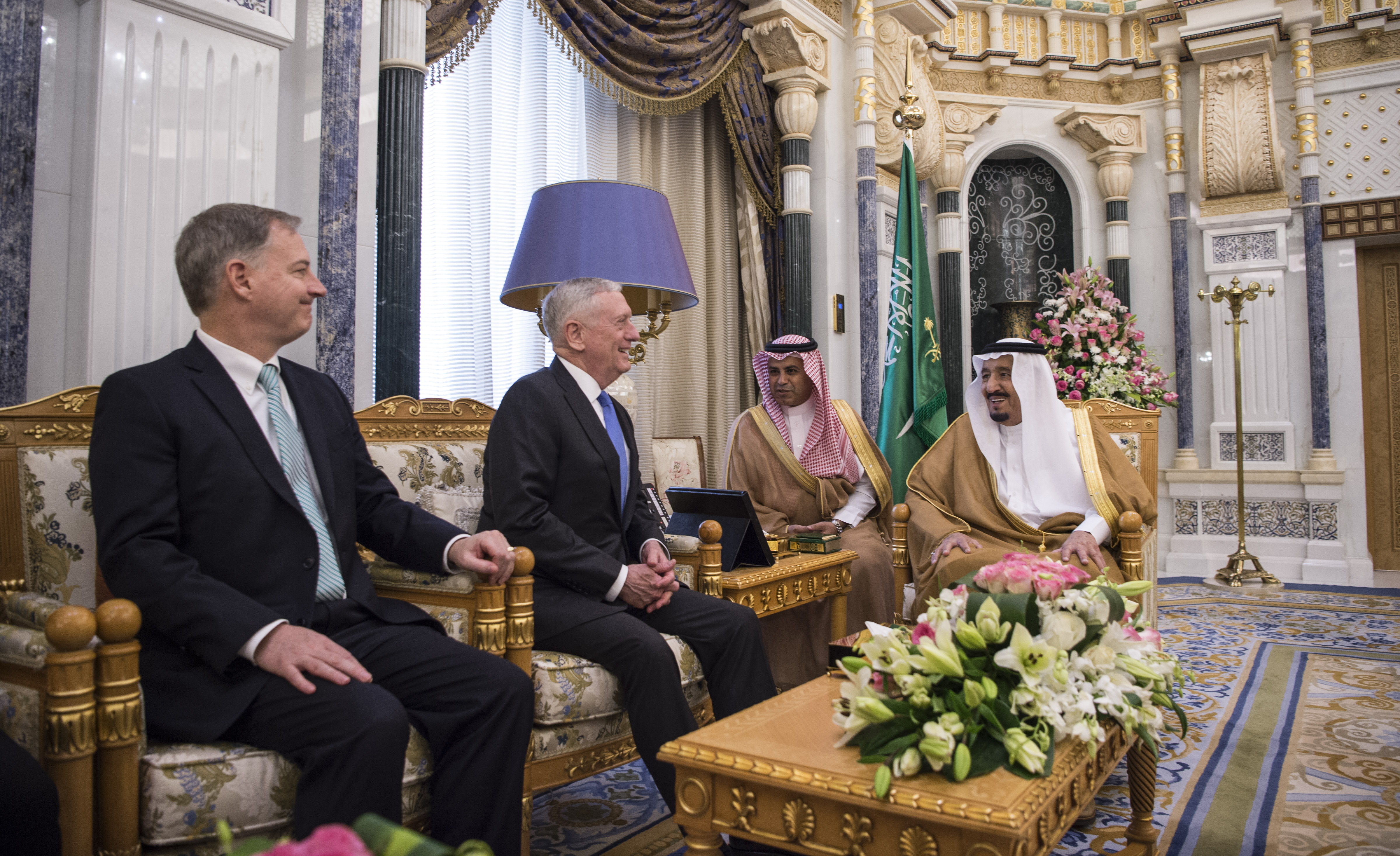
U.S. President Donald Trump urged Muslim-majority nations to establish diplomatic relations with Israel as part of the Abraham Accords [1, 2].
This push for normalization is intended to strengthen a peace agreement with Iran and expand a diplomatic framework that the president described as potentially historic [2, 4].
During a meeting in Saudi Arabia and through various calls to leaders across the Middle East, the president said these nations should befriend Israel [1, 3]. This outreach included an effort to encourage the president of Syria to normalize ties with the Israeli government [1].
However, the effort faces significant regional resistance. Saudi Arabia and Pakistan have ruled out establishing ties with Israel unless a Palestinian state is created [3]. The Palestinian issue remains a highly sensitive and burning point of contention for many leaders in the region [2].
Despite these contradictions, the president continues to advocate for mandatory adherence to the Abraham Accords as part of broader ceasefire talks involving Iran [4].
“Trump urged Muslim-majority nations to normalize diplomatic relations with Israel”
The push to expand the Abraham Accords represents a strategy to isolate Iran by building a coalition of Arab and Muslim allies aligned with Israel. However, the refusal of heavyweights like Saudi Arabia and Pakistan to engage without a Palestinian state suggests that regional stability remains tied to the resolution of the Israeli-Palestinian conflict, regardless of U.S. diplomatic pressure.