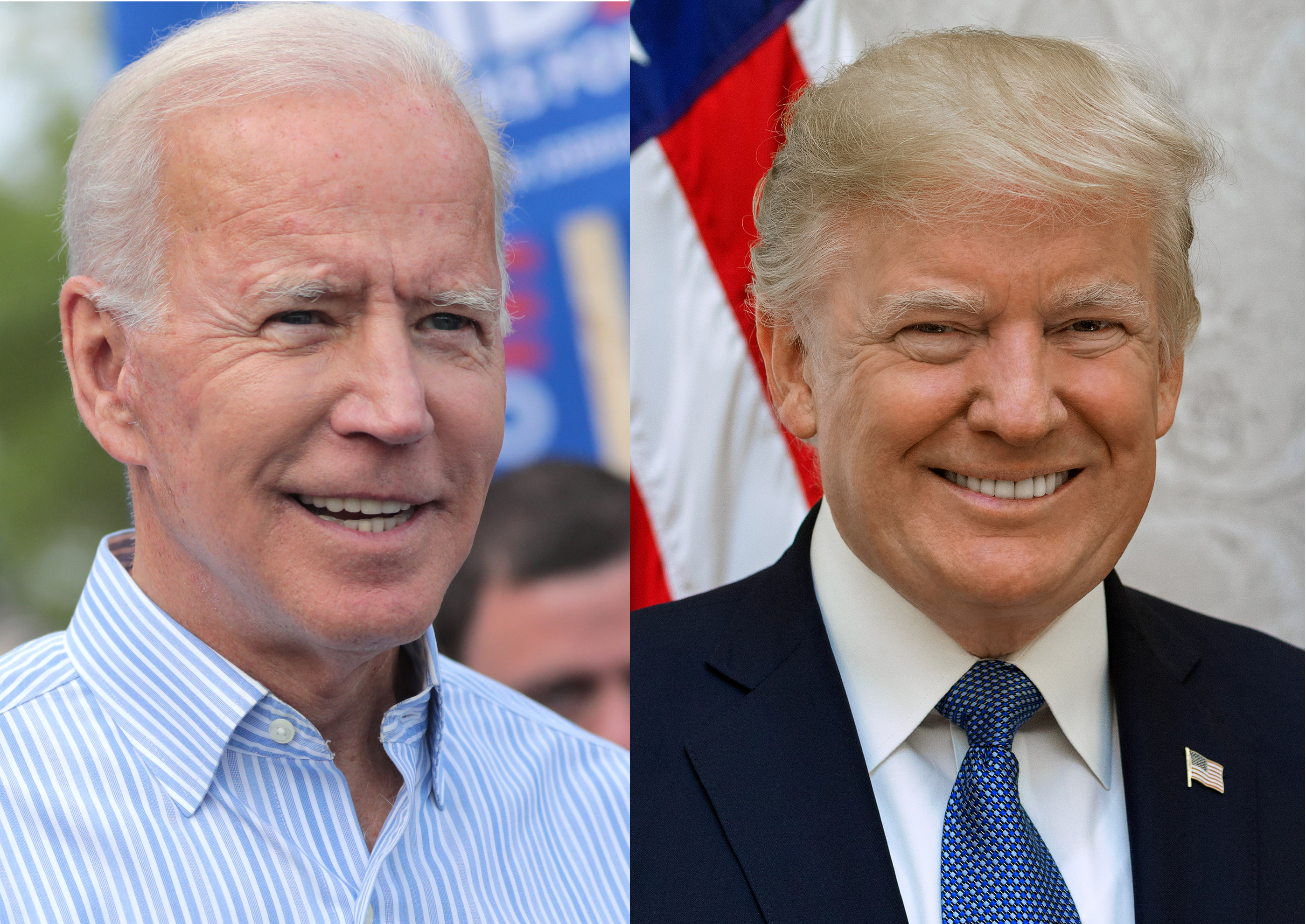
Donald Trump contradicted his son-in-law Jared Kushner on Iran policy during a segment of Late Night with Seth Meyers [1].
The exchange highlights ongoing internal frictions within Trump's inner circle and his refusal to pivot on economic issues affecting U.S. voters.
During the broadcast on Peacock, Trump disagreed with Kushner regarding the approach to Iran [1]. The former president also refused to apologize for high gas prices, maintaining his current stance on the issue [1].
Separate from the policy disputes, Sen. Jon Ossoff (D-GA) addressed criticism regarding his description of aide Natalie Harp [2]. Ossoff said he defended his comment that referred to Harp as a "security blanket" [2].
The program also reviewed the political standing of Sen. Darline Graham [1]. Observers said Graham's recent debate performance was disastrous, marking it as a notable political misstep [1].
These interactions occurred within the context of a broader discussion on U.S. political events and the personal dynamics of high-profile officials [1, 2].
“Trump contradicted his son-in-law Jared Kushner on Iran policy.”
The public disagreement between Trump and Kushner suggests a lack of alignment on key foreign policy objectives. Simultaneously, the scrutiny facing Ossoff and Graham indicates how specific rhetorical choices and debate performances are being leveraged by critics to challenge their political viability.


