U.S. President Donald Trump told Israeli Prime Minister Benjamin Netanyahu that Israel must act more responsibly in its conflict with Hezbollah [1].
The public rebuke marks a significant shift in the diplomatic dynamic between the two leaders during a period of heightened tension in Lebanon. By calling for restraint, Trump is signaling that the U.S. administration may condition its support on the reduction of civilian casualties [3].
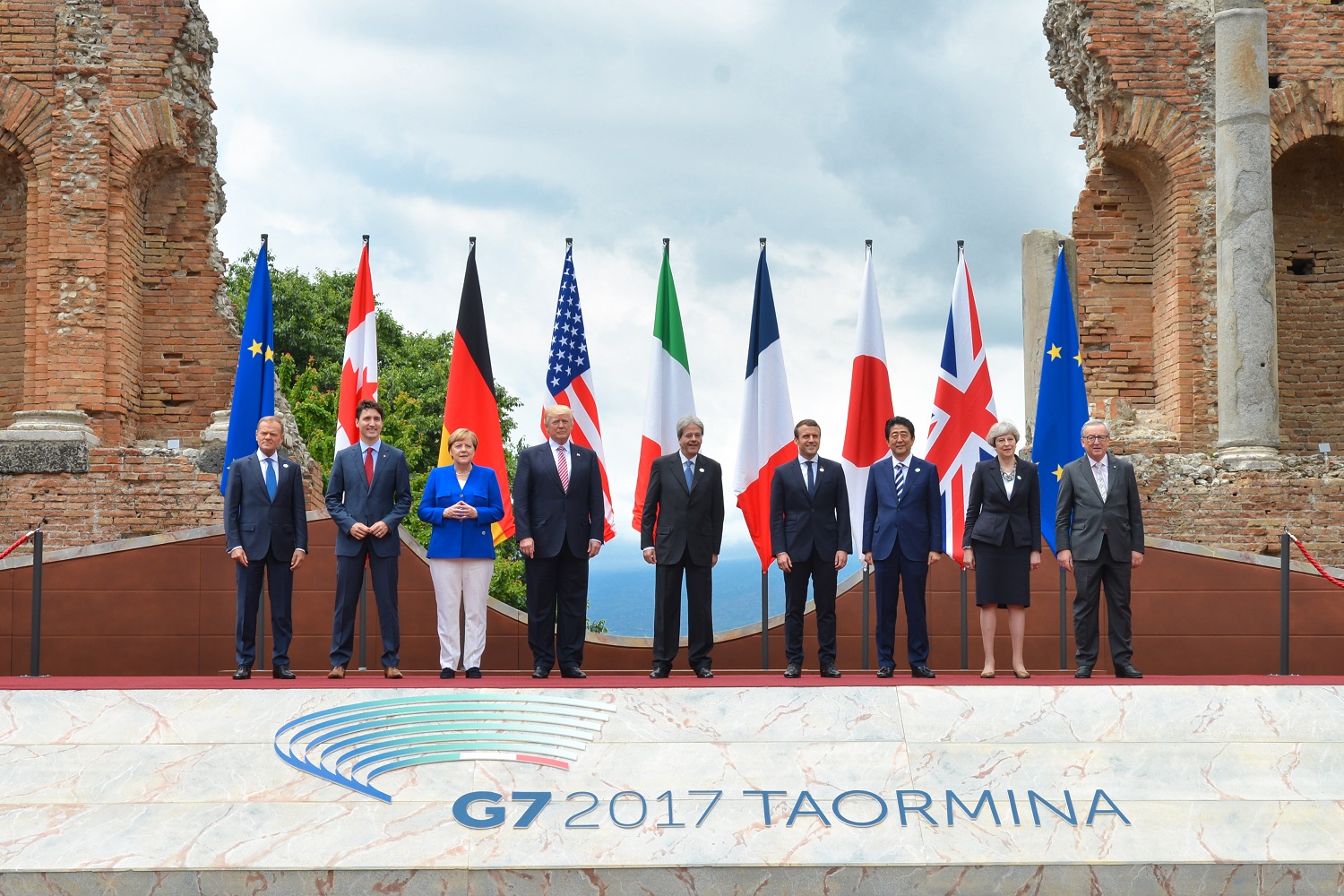
The exchange occurred on Tuesday during the G7 summit in France [2]. Trump focused on the human cost of the war, saying that too many civilians are being killed in Lebanon [4]. He said that Israel must act more responsibly in its war against the Iranian-backed Hezbollah militia [3].
Trump also proposed an unconventional strategic alternative for dealing with the militant group. "I suggested to Israel to let Syria take care of Hezbollah," Trump said [1].
Throughout the discussion, Trump referenced his own history of support for the Israeli state and his previous approach to the Iran nuclear deal. He framed his current criticism within the context of his past achievements, saying, "Without me there would be no Israel" [5].
Netanyahu did not immediately provide a detailed public response to the president's specific suggestions regarding Syria or the call for increased responsibility. The interaction took place amidst the broader diplomatic agenda of the G7, where regional stability in the Middle East remains a primary concern for member nations [2].
“"Israel must act more responsibly in its war against the Iranian‑backed Hezbollah militia."”
This public critique indicates a potential pivot in U.S. foreign policy, where the administration is moving from unconditional support of Israeli military objectives to a strategy that emphasizes civilian protection and regional delegation. By suggesting Syria manage Hezbollah, Trump is proposing a high-risk geopolitical shift that could alter the balance of power in the Levant.