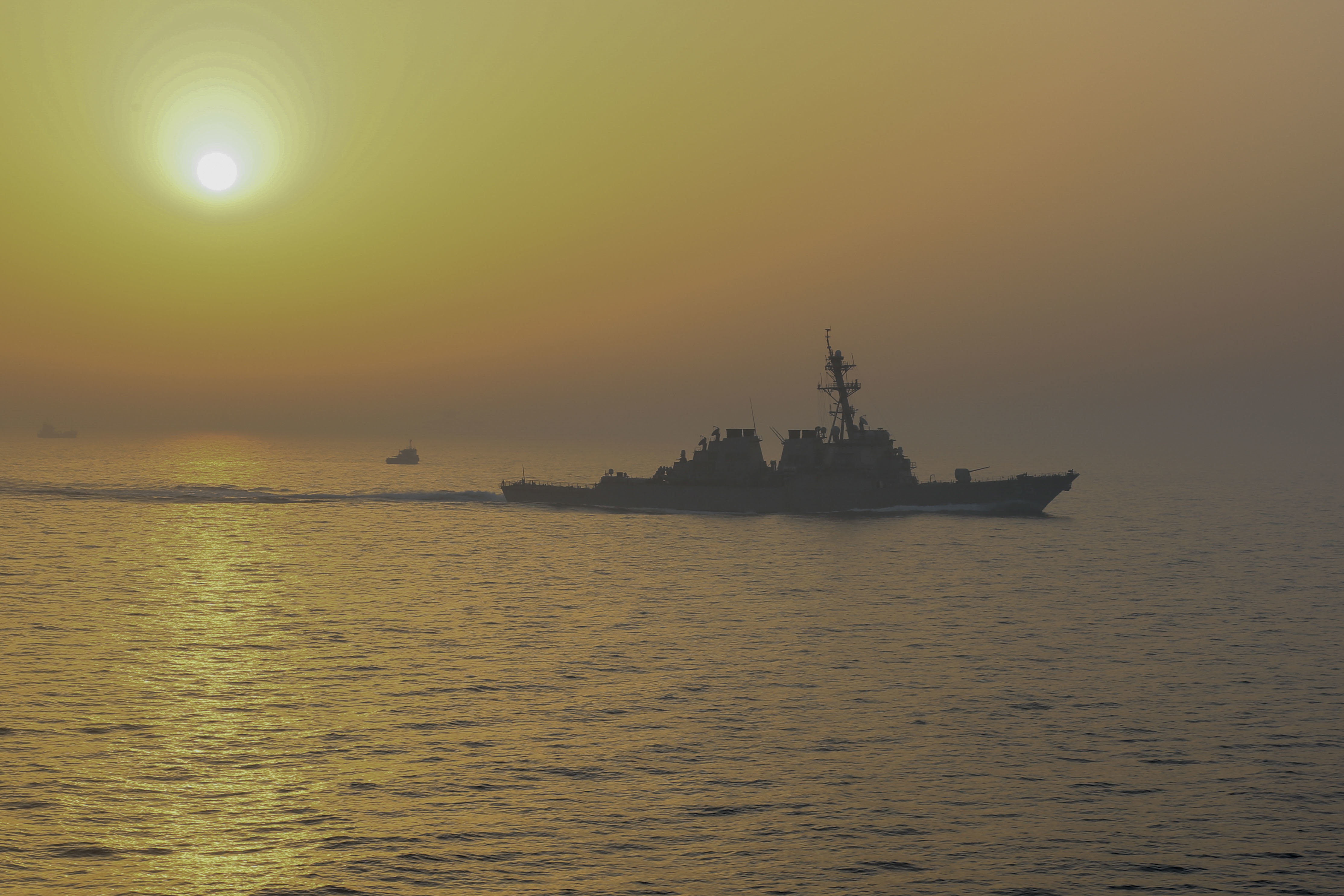
President Donald Trump announced the pause of a U.S. military operation known as Project Freedom in the Strait of Hormuz on May 5, 2024 [1].
The decision to halt the operation, which guides ships through the critical waterway, signals a potential shift in diplomatic relations between Washington and Tehran. Because the Strait of Hormuz is a primary artery for global oil shipments, any change in military posture in the region can influence international energy markets and maritime security.
Project Freedom was designed to maintain stability and ensure the free flow of commerce in the region. The operation provided guidance and security for vessels navigating the narrow passage between Oman and Iran. By pausing these activities, the administration is transitioning from a posture of active military escort to one of diplomatic engagement [1].
Trump linked the decision to ongoing discussions regarding a formal accord. "We have great progress on the Iran agreement," President Donald Trump said [1].
The administration has not yet released the specific terms of the progress mentioned or a timeline for when the pause will end. However, the move suggests that the U.S. is using the suspension of military operations as a gesture of goodwill, or a bargaining chip, in the negotiation process [1].
Regional observers are monitoring the situation to see if Iran will respond with similar concessions. The Strait of Hormuz remains one of the most volatile geopolitical chokepoints in the world, where military presence often serves as a deterrent against interference with commercial shipping [1].
“"We have great progress on the Iran agreement," President Donald Trump said.”
The pausing of Project Freedom represents a tactical shift in U.S. foreign policy, moving from 'maximum pressure' via military presence to a diplomatic approach. If the reported progress leads to a signed agreement, it could stabilize oil prices and reduce the risk of direct military conflict in the Persian Gulf. However, the lack of specific details regarding the agreement means the security of the Strait of Hormuz now relies on diplomatic trust rather than active naval deterrence.


